Hezbollah, Hamas Members Attend Khamenei’s Funeral in Tehran
Hezbollah and Hamas Representatives Honor Khamenei at Tehran Funeral Hezbollah Hamas Members Attend Khamenei s Funeral - On Saturday, July 4, 2026, members of
Hezbollah and Hamas Representatives Honor Khamenei at Tehran Funeral
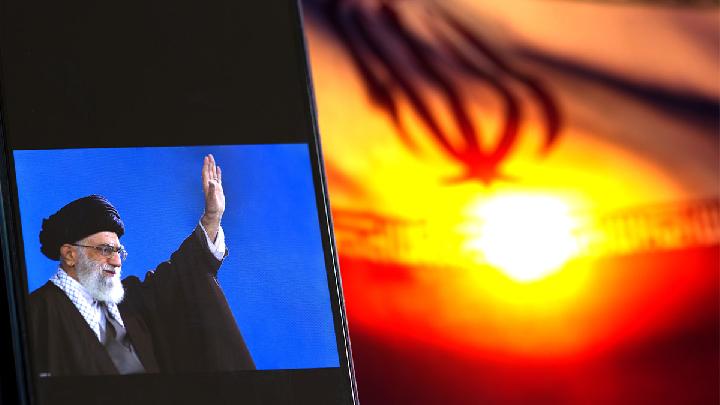
Tempatdonasi.com – On Saturday, July 4, 2026, members of the Iran-backed militant groups Hezbollah and Hamas participated in the funeral ceremony of Ayatollah Ali Khamenei, the former Supreme Leader of Iran, in the capital city of Tehran. The event, held at the Grand Mosalla religious complex, drew a large crowd of mourners who gathered to pay their final respects to the late leader. According to reports from Arab News, both delegations also engaged in discussions with Iranian Foreign Minister Abbas Araghchi during the procession, underscoring the symbolic and political significance of their attendance.
A Symbolic Gathering of Resistance Movements
Khamenei’s death, which occurred in a joint US-Israeli military operation on February 28, 2026, marked a pivotal moment in the region’s geopolitical landscape. His assassination triggered a wave of conflict across the Middle East, intensifying tensions between Iran and its adversaries. The funeral in Tehran, attended by thousands, reflected the deep mourning felt by Iranians and international allies of the Islamic Republic. The event served as a platform for solidarity among groups aligned with Iran’s revolutionary ideals, particularly those labeled as part of the “resistance axis.”
“The Islamic Republic of Iran is seriously pursuing the demand for an end to the war in Lebanon and an end to the occupation under Article 1 of the memorandum of understanding on ending the imposed war,” stated Araghchi, addressing the broader implications of Khamenei’s passing for regional stability.
As the procession unfolded, Hezbollah and Hamas representatives moved through the crowd, symbolizing their commitment to Iran’s strategic goals. The participation of these groups highlighted their roles as key players in the ongoing conflict dynamics. Their presence was not merely ceremonial but a reaffirmation of their alliance with Iran and its leadership.
Hezbollah’s Delegation: A Message of Solidarity
Hezbollah’s delegation, led by its senior official and former Lebanese Minister Mohammed Fneish, was dispatched directly by the group’s Secretary-General, Naim Qassem. The team included members of parliament, high-ranking officials, and representatives from the families of Hezbollah’s casualties. Fneish’s meeting with Araghchi carried a dual purpose: expressing condolences for Khamenei’s death and reinforcing the enduring partnership between Hezbollah and Iran.
Khamenei’s assassination, which claimed not only his life but also several family members, military commanders, and civilians, was a major blow to Iran’s leadership. The attack, widely condemned by regional allies, catalyzed a series of retaliatory strikes and heightened the stakes of the ongoing conflict. Fneish emphasized Qassem’s heartfelt message of mourning during their exchange, underscoring the shared losses and continued resolve of the resistance movements.
Hamas’s Participation: A Political Statement
Meanwhile, Hamas sent a delegation to the funeral, with its Political Bureau Chair, Mohammed Darwish, at the helm. The group’s representatives included prominent figures such as Bassem Naim, signaling their alignment with Iran’s revolutionary cause. The presence of Hamas and Hezbollah at the ceremony was seen as a demonstration of their collective strength and unity against common enemies.
Other notable attendees included the leader of the Palestinian Islamic Jihad group, Ziyad Al-Nakhalah, and senior members of the Houthi movement from Yemen, Dhaif Allah Al-Shami. These groups, often grouped under the banner of resistance, have historically relied on Iran’s support to sustain their operations. The gathering in Tehran underscored their interconnected struggles and shared vision for the region.
Khamenei’s tenure as Supreme Leader spanned nearly four decades, beginning in 1989. His influence extended beyond domestic policy, shaping Iran’s foreign relations and guiding its nuclear program. His death left a void in the leadership structure, prompting a shift in the strategic direction of the country. Many foreign dignitaries and honored guests had already submitted their condolences on Friday, July 3, 2026, prior to the funeral, highlighting the global reach of Khamenei’s legacy.
Iran’s Stance on Lebanon and Regional Stability
During the event, Araghchi reiterated Iran’s unwavering support for groups like Hezbollah and Hamas, emphasizing their role in countering Western influence. He framed the funeral as an opportunity to reaffirm Iran’s commitment to the “resistance axis,” which includes Lebanon, Syria, and Iraq. The minister’s remarks also touched on Lebanon, where Iran continues to exert influence despite the challenges posed by the ongoing war.
“The Islamic Republic of Iran remains dedicated to resolving the conflict in Lebanon and ending the occupation as outlined in the memorandum of understanding,” Araghchi stated, underscoring the strategic importance of the region to Iran’s broader interests.
Khamenei’s death had a profound impact on Lebanon, where Hezbollah has been a dominant force. The group’s leaders, including Qassem, expressed grief and solidarity with the Iranian people. Their participation in the funeral was a clear signal of their alignment with Iran’s vision for the Middle East. The event also provided a chance for the resistance groups to showcase their resilience and unity in the face of adversity.
As the funeral concluded, the attendees carried Khamenei’s legacy forward, vowing to continue his mission of resistance and defiance. The ceremony in Tehran was more than a mourning event—it was a reaffirmation of the alliances that have shaped the region for years. With the global media closely following the proceedings, the message was clear: the fight for sovereignty and influence in the Middle East remains unrelenting.
The funeral also highlighted the international dimension of Khamenei’s influence, as delegations from various nations and organizations were present to pay tribute. This underscores the significance of his leadership beyond Iran’s borders. While the immediate aftermath of his assassination saw immediate retaliation, the long-term implications for the region’s political landscape are yet to be fully realized.
Iran’s foreign ministry had earlier blocked Mojtaba Khamenei, the Supreme Leader’s son, from attending the funeral in person. This decision was seen as a strategic move to ensure the mourning process was tightly controlled and aligned with the country’s diplomatic objectives. Despite this, the symbolic presence of Hezbollah and Hamas representatives was enough to convey the depth of their connection to Iran’s revolutionary cause.
As the Middle East continues to grapple with the fallout from Khamenei’s death, the funeral in Tehran remains a powerful reminder of the interconnected struggles of the region’s factions. The event, while a moment of collective grief, also serves as a platform for political messaging and strategic coordination. For Hezbollah and Hamas, the funeral was an opportunity to reaffirm their commitment to the resistance movement and their partnership with Iran.
The ceremony concluded with a solemn procession and the recitation of prayers, as mourners laid flowers and offered their condolences. The presence of these groups underscored their role in the broader conflict, where Iran’s support has been critical in sustaining their operations. As the world watches the evolving situation, the funeral in Tehran stands as a testament to the enduring bonds between Iran and its allies in the region.
For more updates on this story and related developments, visit Tempo’s coverage on Google News.