
No Electricity Export to Singapore This Year, Says Airlangga
Indonesian Government Postpones Cross-Border Energy Deal
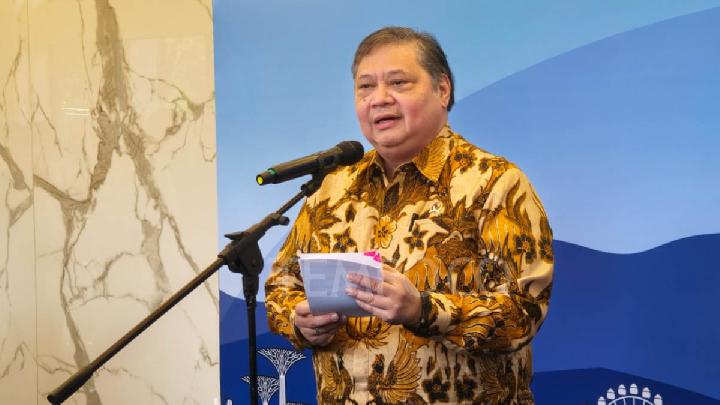
No Electricity Export to Singapore This – Jakarta, Tempo.CO – Indonesia’s government has put aside plans to export electricity to Singapore for the current year, according to Coordinating Minister for Economic Affairs Airlangga Hartarto. During a press briefing at the ministry on Tuesday, June 9, 2026, Airlangga highlighted that the project is still in the evaluation phase, with key strategic ministries like the Ministry of Energy and Mineral Resources collaborating to finalize the details. The goal is to ensure the memorandum of understanding (MoU) signed last year can be fully executed during the upcoming high-level bilateral leaders’ summit.
According to Airlangga, the primary reason for the delay is the need to construct necessary infrastructure, which is expected to take between one and one and a half years. This timeline includes the development of transmission lines and grid connectivity to support the cross-border electricity flow. The minister emphasized that the project’s success hinges on the completion of these logistical and technical steps, which are critical for seamless energy delivery to Singapore.
MoU Signed in 2025 Sets Framework for Renewable Energy Collaboration
The agreement between Indonesia and Singapore, formalized in a memorandum of understanding on June 13, 2025, outlines a cooperative effort to advance renewable energy infrastructure. This initiative, which was initially announced following the 16th Indonesia-Singapore Six Bilateral Economic Working Groups Ministerial Meeting, aims to export 3.4 gigawatts of green electricity to Singapore. The deal was designed to strengthen regional energy partnerships and leverage Indonesia’s abundant renewable resources, such as solar, wind, and hydro power, to meet Singapore’s growing demand.
Energy and Mineral Resources Minister Bahlil Lahadalia had previously stated that the MoU was a strategic move to foster mutual economic benefits. He noted that the framework allows for flexible implementation, with the government working step-by-step to address challenges. The minister also reiterated that the project is not only about energy export but also about creating a sustainable and resilient energy supply chain for both nations.
Press Briefing Highlights Delays and Continued Discussions
During the press briefing, journalists initially posed questions to Singapore’s Deputy Prime Minister Gan Kim Yong, referencing the recent ministerial meeting. However, Gan redirected the conversation to Airlangga, acknowledging that the export plan would require further coordination. This exchange underscored the ongoing dialogue between the two countries’ economic teams, with both sides emphasizing the importance of aligning priorities before proceeding.
Airlangga provided additional context about the challenges facing the project. He mentioned that while the MoU is a solid foundation, the infrastructure development phase remains complex. The minister also noted that the government is conducting thorough assessments to ensure the project’s long-term viability, including evaluating the economic and environmental impacts of exporting green electricity. This approach reflects a balance between ambition and pragmatism in international energy ventures.
Stakeholders Collaborate to Overcome Implementation Hurdles
Key stakeholders, including the Ministry of Investment and Industrial Estates, are actively involved in the project’s planning. Airlangga revealed that discussions are ongoing to determine the most efficient way to allocate resources and accelerate progress. The Coordinating Ministry for Economic Affairs is also playing a central role in streamlining the process, working closely with technical experts and regulatory bodies.
While the export initiative is delayed, Airlangga expressed confidence that the project will eventually materialize. He stated that the government is committed to achieving the goal and has already taken preliminary steps to secure funding and partnerships. The minister also highlighted the potential for the collaboration to serve as a model for future cross-border energy projects in Southeast Asia, particularly in the context of global climate goals and energy security.
Regional Implications and Economic Potential
The decision to delay electricity exports to Singapore has broader implications for regional energy markets. Analysts suggest that the project could help reduce Indonesia’s reliance on fossil fuels while simultaneously meeting Singapore’s need for cleaner energy sources. With Singapore facing increasing energy demands due to its rapid urbanization and industrial growth, the 3.4 gigawatts of green electricity could play a vital role in supporting the city-state’s decarbonization targets.
Furthermore, the collaboration is expected to create new opportunities for Indonesia’s renewable energy sector. By exporting green power, the country can not only generate revenue but also promote its expertise in sustainable energy production. Airlangga acknowledged that the project’s success will depend on the readiness of both nations’ infrastructure and regulatory frameworks, which are currently under review.
Previous Statements and Ongoing Commitment
During the press briefing, Airlangga reiterated the government’s commitment to the agreement, despite the current timeline. He pointed out that the MoU was signed with the intent to establish a long-term partnership, and the delay is a temporary setback rather than a rejection of the plan. The minister also emphasized the importance of maintaining strong diplomatic ties with Singapore, highlighting the shared vision for regional economic integration.
Bahlil Lahadalia added that the government is exploring alternative strategies to ensure the project’s sustainability. This includes evaluating the feasibility of phased implementation, where smaller-scale energy exports could begin before full-scale operations are launched. Such an approach would allow both countries to test the system and address any unforeseen challenges.
Looking Ahead: Next Steps and Timeline
As the government moves forward, Airlangga outlined the next steps, including finalizing technical specifications and securing necessary approvals. The minister also mentioned that the Coordinating Ministry for Economic Affairs is preparing a detailed report to present at the upcoming summit, where leaders from both nations will review the progress. This report is expected to include updates on infrastructure development, financial commitments, and timelines for full implementation.
Industry experts have noted that the delay provides an opportunity to refine the project’s logistics. They suggest that this period could be used to strengthen bilateral cooperation and align policies to minimize disruptions. With the high-level summit approaching, there is anticipation that the project will gain momentum, paving the way for a significant milestone in Indonesia-Singapore energy collaboration.
In conclusion, while the immediate export of electricity to Singapore is not feasible this year, the government remains focused on delivering the project. Airlangga and his team are determined to overcome the challenges, ensuring that the initiative becomes a reality in the near future. This effort underscores Indonesia’s strategic position in the regional energy landscape and its commitment to sustainable development through international partnerships.
Nandito Putra contributed to this report. For more updates on energy developments and regional news, visit Tempo.CO’s Google News platform.