

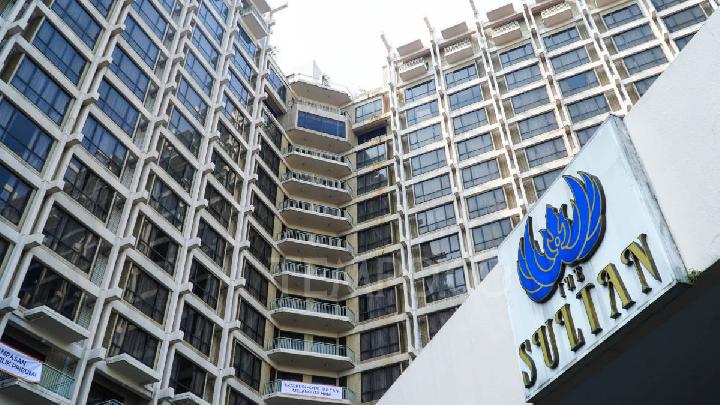
Sultan Hotel’s Court-Mandated Eviction Deemed Indonesia’s Largest
Historic Legal Milestone in Jakarta’s Property Dispute
Sultan Hotel s Court Mandated Eviction – On Thursday, June 18, 2026, the Central Jakarta District Court marked a significant moment in Indonesia’s legal history with the execution of the Sultan Hotel, a landmark property in the Gelora Bung Karno complex. The court’s spokesperson, Sunoto, confirmed that the eviction surpassed all previous records, becoming the most expensive and largest civil case in the nation’s history. The total value of the assets being executed amounts to Rp28.9 trillion, a staggering figure that underscores the scale of the operation.
“This is the largest and most expensive civil execution in history,” stated Sunoto during a press briefing on June 18, 2026. The statement highlights the unprecedented nature of the case, which involved the forced removal of the hotel’s land and buildings from private ownership to reclaim them as state property. The court’s decision reflects a critical step in resolving a long-standing dispute over the use of the Sultan Hotel’s premises, which have been under legal contention for years.
The execution process, which unfolded in the Gelora Bung Karno complex, was executed in strict compliance with Indonesia’s Civil Procedure Law. According to Sunoto, the court ensured that all legal procedures were followed meticulously, resulting in the successful seizure of the property. This move is expected to restore the assets to the state’s control, a development that has been long awaited by officials and legal experts involved in the case.
Eviction Process and Legal Context
The Sultan Hotel, operated by PT Indobuildco, has been a focal point of legal battles since its establishment. The court’s order to vacate the land, specifically ex-HGB (Hak Guna Bangunan) No. 26 and No. 27, was issued following a series of legal proceedings that concluded on June 17, 2026. The assignment letter, numbered 181/KPN.W10-U1/ST.KP7.1/VI/2026, directed the execution of the property, which was carried out without the presence of the hotel’s operator or their legal representatives.
“Without the presence of the Execution Defendant or the attorney of the Execution Defendant,” explained Ahyar Parmika, the Clerk of the Central Jakarta District Court, during a post-execution press conference. The statement emphasizes that the eviction was an involuntary process, driven by the party’s refusal to vacate the premises voluntarily. This legal maneuver signifies a shift in the ownership dynamics of the Sultan Hotel, as the state asserts its claim over the assets.
The execution process was not without challenges. Protests erupted as the eviction proceeded, with demonstrators hurling fist-sized stones at court personnel and law enforcement officers. The crowd’s resistance, which included attempts to disrupt the proceedings, led to a tense standoff. Police officers, positioned behind armored vehicles for protection, managed to maintain order but faced escalating pressure from the protesters.
Escalation and Aftermath of the Eviction
In response to the stone-throwing incidents, authorities deployed water cannons to disperse the protesters. The tactic proved effective, forcing hundreds of demonstrators to retreat and enter the hotel’s premises. As the crowd surged inside, police officers conducted a swift operation to apprehend individuals who attempted to block the eviction process. The arrests were made under the justification that the protesters had breached the area during the court-ordered action.
The event drew widespread attention, with reports highlighting the intensity of the protests and the public’s mixed reactions to the eviction. While some viewed the action as a necessary step to reclaim state property, others criticized the government for its aggressive approach. The Sultan Hotel, a symbol of Jakarta’s commercial landscape, has been a battleground for legal and economic interests, and its eviction marks a pivotal moment in this ongoing saga.
“The entire execution process was based on the Assignment Letter dated June 17, 2026,” reiterated Ahyar Parmika. The document serves as the legal foundation for the eviction, outlining the specific assets targeted and the procedures followed. This letter, signed by the Chair of the Central Jakarta District Court, was pivotal in authorizing the seizure, ensuring that the process adhered to the required legal standards.
The Sultan Hotel’s eviction is not just a local issue but also a reflection of broader trends in Indonesia’s property rights and civil litigation. The case has set a precedent for the scale of asset seizures in civil cases, potentially influencing future legal actions involving large-scale properties. With a value of over Rp28.9 trillion, the assets in question represent a substantial portion of the state’s holdings, and their reclamation is seen as a strategic move to strengthen public infrastructure and economic stability.
Impact and Significance of the Record-Breaking Case
Experts have noted that this eviction could reshape the legal landscape in Jakarta, demonstrating the court’s ability to enforce rulings decisively. The case also highlights the complexities of urban development, where private interests often clash with state priorities. The Sultan Hotel, once a prime commercial hub, now stands as a testament to the power of legal institutions in resolving such disputes.
Despite the smooth execution of the legal process, the event exposed the public’s concern over the potential displacement of tenants and the economic repercussions of the eviction. The hotel’s closure could affect hundreds of workers and local businesses, raising questions about the balance between legal authority and social impact. Nevertheless, the court’s decision remains a landmark achievement, symbolizing the culmination of years of legal effort and the prioritization of state assets in the face of private ownership.
As the dust settles, the Sultan Hotel’s eviction is expected to serve as a case study in Indonesia’s legal system, offering insights into the challenges of enforcing large-scale property seizures. The event also underscores the importance of judicial transparency and the need for clear communication between legal authorities and the public. With the assets now under state control, the next steps will involve the integration of these properties into the broader infrastructure plans for Jakarta’s development.
Read more about the Deputy Minister’s injury during the unrest at Jakarta’s Sultan Hotel here on Tempo’s Google News platform for the latest updates.