

Night Sky in June: Your Complete Stargazing Guide
Night Sky in June – TEMPO.CO, Jakarta – June presents a captivating array of celestial events for amateur and professional observers alike. From the dramatic approach of Venus and Jupiter to the luminous Strawberry Moon, the month offers numerous opportunities to witness the universe’s wonders. Whether you’re a seasoned astronomer or a curious beginner, the night sky in June holds a wealth of phenomena worth exploring. Here’s a detailed breakdown of what to expect.
Key Celestial Events in June
The first week of June is particularly noteworthy for the convergence of two bright planets. Venus and Jupiter, which have been gradually drawing closer since late May, will reach their closest point in the sky from June 8 to 9. This alignment creates a striking visual display, as the planets appear within 1.5 degrees of each other. Observatories and backyard astronomers should direct their attention to the northwest sky following sunset, where the pair will be most prominent. For a closer look, binoculars are recommended to enhance visibility of the planetary duo.
As the week progresses, the spotlight shifts to Saturn’s rendezvous with the moon. On June 10, the thin crescent moon will appear near Saturn, with the two bodies drifting within 5 degrees of each other after midnight. This event is ideal for early risers eager to witness the celestial pairing. A telescope will provide a more detailed view, allowing observers to appreciate Saturn’s intricate ring system and the moon’s subtle glow.
Another highlight occurs on June 11 when Mars, the moon, and Saturn form a rare triangular alignment. This phenomenon takes place shortly before sunrise, with the trio visible in the eastern sky. The optimal viewing conditions require a location free of light pollution and unobstructed by tall structures. The alignment offers a chance to observe Mars’ reddish hue, the moon’s crescent phase, and Saturn’s distinct rings, all within a compact field of view.
June 15 marks the arrival of the new moon, which will be positioned between Earth and the sun. This phase renders the moon nearly invisible, creating a backdrop of darker skies. Such conditions are perfect for spotting millions of stars with the naked eye, especially in areas with minimal artificial light. The absence of moonlight enhances the visibility of fainter celestial objects, making it an ideal time for deep-sky exploration.
The Summer Solstice on June 21 heralds the longest day of the year in the Northern Hemisphere. As the sun reaches its highest point above the equator, this event also signifies the official start of astronomical summer. While the solstice itself is a seasonal marker, its impact on the night sky is profound. The extended daylight hours mean stargazers have more time to observe, though the early morning hours will still offer a serene view of the Milky Way.
Metaphors and Myths in the Night Sky
June’s meteor shower season continues with the Bootid Meteor Shower, which peaks on June 27. Though this event is less prominent than others, it still provides a chance to witness streaks of light across the night sky. However, the nearly full moon will cast a glow that may hinder visibility, reducing the number of meteors observable. Despite this, sporadic bursts of up to 100 meteors per hour could still surprise observers.
“When the Strawberry Moon appears low on the horizon, it may seem larger than usual, though this is an optical illusion,” explains Forbes. The moon’s reddish tones, which are more pronounced during this time of year, are a result of its position in the sky and atmospheric conditions, not any actual change in size or color.”
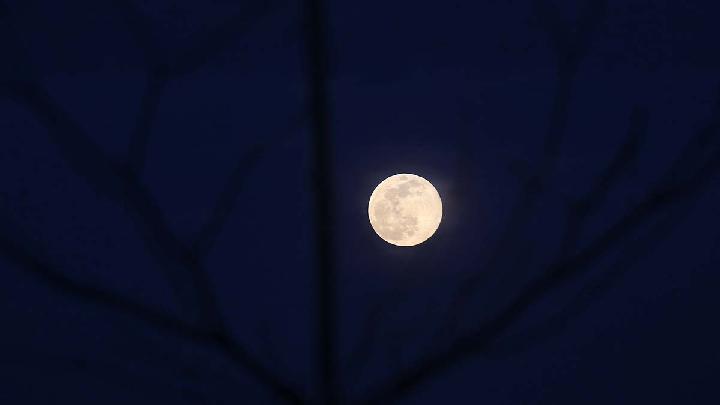
The full Strawberry Moon on June 29 is a significant event, marking the first full moon of summer and the second smallest of 2026. While the name suggests a pinkish hue, the moon will instead exhibit warm yellow or orange tones. Its apparent size increases when it’s near the horizon, leading to the classic “moon illusion.” This is an excellent opportunity to capture the moon’s glow in photographs or simply admire its beauty under the night sky.
Optimizing Your Stargazing Experience
Regardless of the specific event, the quality of your stargazing experience depends on your location and preparation. Darker skies, such as those found in remote areas of the United States, offer the best clarity for observing celestial wonders. To maximize visibility, avoid urban light pollution by traveling to open fields, mountains, or rural landscapes. Packing a comfortable chair, warm clothing, and a red-light flashlight can also enhance your night sky adventure.
Each event in June provides a unique opportunity to connect with the cosmos. The Venus-Jupiter conjunction, for instance, is a rare alignment that showcases the planets’ beauty in close proximity. Saturn’s moon conjunction highlights the delicate interplay between Earth’s natural satellite and a distant gas giant, while the Mars-Saturn-Moon alignment offers a trio of celestial bodies visible to the naked eye. The new moon’s absence of light pollution opens the door to deeper exploration of the universe, and the Bootid Meteor Shower, despite its challenges, reminds us of the unpredictable magic of the night sky.
The Strawberry Moon, with its poetic name and striking appearance, serves as a reminder of the cultural significance of lunar events. Ancient Indigenous peoples, such as the Algonquin tribes, named the full moon after the ripe berries it symbolizes, which were traditionally harvested in June. This connection between nature and the cosmos underscores the timeless allure of stargazing. Even though the moon’s color may not match the name, its presence in the sky offers a moment to reflect on the cycles of the universe.
For those interested in timing their observations, the moon’s phases play a crucial role. The new moon’s darkness provides the best conditions for spotting stars and galaxies, while the full moon’s brightness can be a double-edged sword. The Strawberry Moon, being full, will dominate the night sky, but its position near the horizon may create the illusion of a larger, more vibrant disc. These phenomena encourage stargazers to plan their nights around the lunar calendar for the most rewarding experiences.
June’s night sky is a testament to the universe’s dynamic nature. Each event, from planetary alignments to meteor showers, offers a chance to witness celestial mechanics in action. Whether you’re drawn to the scientific precision of a conjunction or the poetic symbolism of a full moon, the month provides something for every skywatcher. With a bit of patience and the right tools, you can turn June into a memorable time of cosmic discovery.
For more information on June’s astronomical highlights, refer to the latest updates from National Geographic and the Almanac. These resources provide detailed insights into the positions and visibility of celestial objects. Don’t forget to check Google News for real-time updates and expert analyses on the night sky’s mysteries. June is not just a month of warmer days—it’s a gateway to the vast, uncharted wonders of the universe.