
Iran Waives Ship Transit Fees in Strait of Hormuz for 60 Days
Iran Waives Ship Transit Fees in Strait – In a significant maritime policy shift, Iran’s Supreme National Security Council (SNSC) has announced a temporary exemption for vessel transit fees in the strategic Strait of Hormuz, effective for the next 60 days. This decision, outlined in the Islamabad Memorandum of Understanding (MoU), aims to ease the burden on international shipping while promoting smoother traffic flow through the vital waterway. The move has been met with mixed reactions from global shipping operators and regional stakeholders, as it signals a potential easing of tensions in the region.
The SNSC released a statement on Thursday, June 18, confirming that all costs associated with permits for ships navigating Iranian waters will be covered by the government. This includes the removal of financial obligations for vessel operators, as noted by ANTARA, a state news agency. The exemption is intended to provide relief during a critical period of increased maritime activity, which has been a focus of international attention due to the strait’s role as a major conduit for global oil exports.
“Applicants seeking permission to transit through Iranian waters will not be charged for the next 60 days, with the Iranian government assuming all financial responsibilities,” stated the SNSC in its official release.
The Persian Gulf Waterways Authority (PGSA) has been directed to prioritize the processing of applications for transit permits, ensuring a rapid implementation of the Islamabad MoU’s provisions. This includes expediting approval timelines and streamlining administrative procedures to accommodate the surge in demand. The PGSA’s role in coordinating these efforts underscores the importance of maintaining operational efficiency in the region, especially as global powers monitor Iran’s actions closely.
According to the SNSC, the temporary fee waiver is part of a broader strategy to address specific challenges on the shipping lane. These challenges include navigating through areas with heightened risk factors, such as unpredictable weather patterns, shallow waters, and the presence of underwater obstacles. The council emphasized that ships must adhere to designated routes and timeframes to mitigate potential dangers and ensure safe passage.
The decision comes amid ongoing discussions about the stability of the Persian Gulf region. With global oil demand fluctuating and geopolitical tensions persisting, the SNSC’s move is seen as a proactive measure to stabilize the flow of maritime traffic. By waiving fees, Iran hopes to incentivize vessels to use the strait more frequently, thereby reducing congestion and improving overall efficiency. This could also help alleviate concerns among international traders about the economic impact of potential blockades or disruptions.
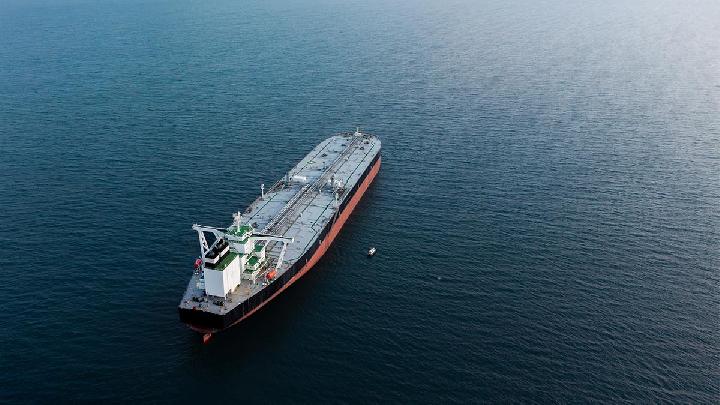
Experts note that the Strait of Hormuz is one of the world’s most critical choke points, with approximately 20% of global oil shipments passing through it daily. The temporary exemption may serve as a testing period for Iran’s ability to manage increased traffic without compromising security. Additionally, the move is expected to bolster diplomatic efforts to normalize trade relations and demonstrate Iran’s commitment to cooperative regional governance.
While the fee waiver is a positive development, the SNSC has not ruled out the possibility of reinstating charges in the future. The council stressed that the measure is conditional on the successful implementation of other provisions outlined in the Islamabad MoU. These include planned mine clearance operations, which are designed to remove underwater threats and further enhance safety for commercial vessels.
Iran’s announcement aligns with its recent focus on strengthening economic ties with neighboring countries. The Islamabad MoU, signed during a bilateral summit, reflects a collaborative approach to managing the region’s maritime infrastructure. By offering fee exemptions, Iran aims to create a more favorable environment for international shipping, which could have ripple effects on global energy markets and supply chains.
Regional maritime authorities have welcomed the decision, though they remain cautious about its long-term implications. The PGSA is expected to provide detailed guidelines on how the fee waiver will be applied, including specific timeframes and route requirements. This will be crucial in ensuring that the policy is implemented without confusion or disputes among stakeholders.
Analysts suggest that the move could also serve as a diplomatic tool, allowing Iran to showcase its willingness to support international commerce. However, the effectiveness of the policy will depend on the coordination between Iran and other nations, particularly those with interests in the region’s stability. The 60-day period is seen as a strategic window to assess the impact of the waiver and determine whether further adjustments are needed.
Historically, the Strait of Hormuz has been a focal point for geopolitical maneuvering. The temporary fee exemption may be a step toward reducing the militarization of the waterway, encouraging a more cooperative atmosphere among regional actors. This could pave the way for additional agreements aimed at enhancing security and facilitating trade.
As the 60-day window progresses, the international community will be closely watching the outcomes. The SNSC has already hinted at the possibility of extending the exemption or introducing complementary measures to further support maritime operations. Such developments could signal a shift in Iran’s approach to managing its maritime assets, balancing economic interests with security concerns.
Overall, the fee waiver represents a multifaceted strategy that addresses both immediate operational needs and long-term diplomatic goals. By providing financial relief to ship operators, Iran is not only improving the flow of maritime traffic but also fostering an environment of mutual cooperation. This could be a pivotal moment in the region’s history, with the potential to reshape the dynamics of international trade and regional stability.
For now, the focus remains on executing the provisions of the Islamabad MoU. The PGSA will play a key role in announcing the technical arrangements for navigation, including any updated protocols or safety measures. These details are expected to be released in the coming weeks, offering a clearer picture of how the fee waiver will integrate into the broader framework of maritime governance in the region.
As the world watches the unfolding developments in the Strait of Hormuz, the 60-day fee exemption stands as a symbol of Iran’s commitment to balancing security and economic cooperation. Whether this temporary measure leads to permanent changes or serves as a stepping stone for future negotiations remains to be seen, but its impact on global trade and regional relations is already being felt.