

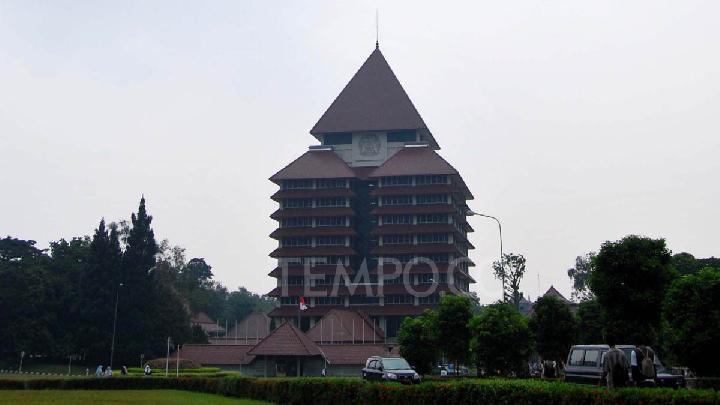
University of Indonesia Ranks 191st Globally in QS WUR 2027
University of Indonesia Ranks 191st Globally – On June 18, 2026, Quacquarelli Symonds, a renowned London-based higher education analytics firm, unveiled its latest QS World University Rankings (QS WUR) for 2027. Among the 1,504 universities assessed globally, the University of Indonesia (UI) emerged as the 191st institution, marking a significant milestone for the nation’s academic landscape. This achievement positions UI as the first Indonesian university to secure a spot in the top 200, surpassing its regional and national peers and solidifying its status as the leading institution in Indonesia according to the QS methodology.
Regional Standing and National Impact
While the global ranking garners international attention, UI’s performance in regional assessments is equally noteworthy. In the Asia-Pacific category, the university placed 47th, reflecting its growing reputation across the continent. Within Southeast Asia, UI climbed to the 8th position, outpacing other institutions from the region. This dual success—both globally and regionally—highlights UI’s ability to compete with universities from more established educational hubs, such as Singapore, South Korea, and Japan.
The achievement is particularly meaningful for Indonesia, where higher education institutions have historically struggled to crack the global top 200. With only 20 Indonesian universities making the list, UI’s 191st rank underscores its role as a flagship institution driving the country’s academic progress. This places it ahead of Universitas Gadjah Mada (UGM), which secured the 206th position, and other local universities, creating a benchmark for future aspirations.
Leadership and Institutional Efforts
UI’s rector, Heri Hermansyah, emphasized the collaborative nature of the university’s success. “This achievement is the result of the collective efforts of the entire academic community, alumni, and partners,” he said in a statement cited by Antara on June 20, 2026. The quote encapsulates the institution’s commitment to fostering innovation, research, and international collaboration. Hermansyah also noted that maintaining a position in the global top 200 requires sustained investment and strategic initiatives to build on this momentum.
“This achievement is the result of the collective efforts of the entire academic community, alumni, and partners. With this same spirit, we will continue to move forward.”
The rector’s remarks highlight the importance of cross-sector partnerships in enhancing UI’s global profile. By aligning with industry leaders, research organizations, and international academic networks, the university has been able to bolster its reputation and resources. This approach not only improves academic standards but also ensures that graduates are well-equipped to meet the demands of a competitive job market.
QS Ranking Methodology and Key Metrics
The QS WUR 2027 ranking evaluates universities based on five core indicators, each contributing to the final score. These metrics include Research and Discovery (weighted at 50%), Employability and Outcomes (20%), Learning Experience (10%), Global Engagement (15%), and Sustainability (5%). UI’s strong performance in three of these areas—employer reputation, employment outcomes, and international faculty ratio—played a critical role in its ascent to the 191st position.
Employer reputation, which measures the recognition of a university by employers worldwide, was a standout factor for UI, scoring 87.4 points. This reflects the institution’s ability to produce graduates who are sought after in global industries. Employment outcomes, evaluating the university’s success in placing students in relevant careers, contributed 81.0 points to the ranking. Meanwhile, the international faculty ratio, assessing the proportion of foreign professors to local staff, earned 88.4 points, indicating a diverse and globally integrated academic environment.
While these metrics are pivotal, the other two indicators—Learning Experience and Global Engagement—also contribute to UI’s standing. Learning Experience focuses on student satisfaction, teaching quality, and campus facilities, while Global Engagement measures international student diversity and research collaborations. UI’s performance in these areas, though not as high as its scores in the top three metrics, still demonstrates a well-rounded approach to academic excellence.
Indonesian Representation in Global Rankings
The 2027 QS WUR list reveals a growing presence of Indonesian universities on the world stage. Of the 20 institutions from Indonesia that made the cut, UI leads the pack, followed by UGM in 206th place. This trend suggests a shift in the nation’s higher education landscape, with more institutions gaining international recognition. The inclusion of these universities in the global rankings is a testament to their improving quality, research output, and global outreach.
However, the road to global recognition is not without challenges. Indonesia’s higher education system continues to face hurdles such as funding disparities, infrastructure limitations, and varying levels of academic rigor across institutions. UI’s success serves as a model for other universities striving to overcome these obstacles and elevate their standing. Its 191st position is not just a ranking but a symbol of progress and potential for the entire sector.
The QS WUR 2027 also provides insights into the broader educational trends shaping global rankings. As universities increasingly prioritize research innovation, international collaboration, and graduate employability, institutions like UI are redefining what it means to excel in the modern academic arena. The rankings encourage a competitive yet collaborative spirit among universities worldwide, pushing them to invest in quality education and sustainable growth.
Looking Ahead: Opportunities and Challenges
UI’s 191st rank is a cause for celebration, but it also sets the stage for future goals. The rector’s vision for continued improvement includes expanding research facilities, attracting more international faculty, and strengthening ties with global academic partners. These steps are essential for maintaining UI’s position in the top 200 and addressing the gaps that still exist in Indonesia’s higher education system.
As the QS rankings evolve, they will continue to influence institutional priorities and student choices. For UI, this ranking represents a pivotal moment in its journey toward becoming a world-class university. It also highlights the importance of regional representation in global assessments, ensuring that universities from developing economies are recognized for their contributions to the global knowledge ecosystem.
With the 2027 rankings now finalized, the focus shifts to the next phase of growth and development. The University of Indonesia’s success story is a reminder of the potential for Indonesian institutions to thrive on the global stage, provided they continue to innovate and adapt to the changing demands of higher education. The journey to the top 200 is just the beginning, and the university is poised to build on this achievement for years to come.