
Indonesian Islamic Student Group to Hold Anti-Government Protest Today
Indonesian Islamic Student Group to Hold Anti-Government Protest Today Indonesian Islamic Student Group to Hold - Jakarta, June 22, 2026 – A significant
Indonesian Islamic Student Group to Hold Anti-Government Protest Today
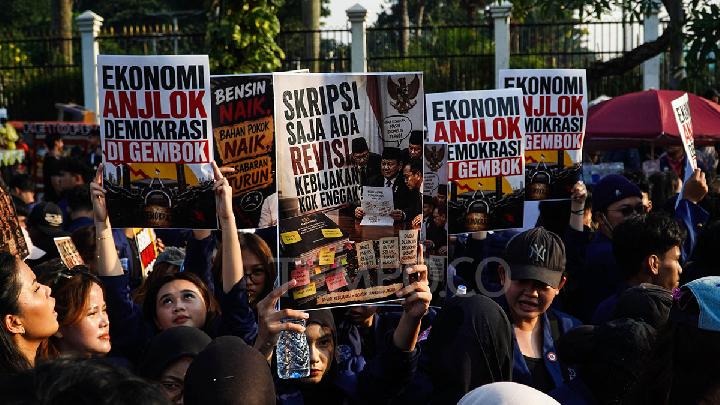
Tempatdonasi.com – Jakarta, June 22, 2026 – A significant demonstration is set to take place this Monday, June 22, 2026, as members of the Central Board of the Islamic Student Movement of Indonesia (PB PMII) prepare to rally at the Horse Statue in Central Jakarta. The protest, titled “#Total Evaluation of the Red and White Cabinet of Prabowo-Gibran,” will span three days, concluding on Wednesday, June 24, 2026. The movement has announced that the event will be held simultaneously at approximately 300 locations across the country, as shared in a recent post on their official Instagram account, @pmiiofficial.
The PB PMII has emphasized that the action is a response to the performance of the current administration, led by President Prabowo Subianto and Vice President Gibran Rakabuming Raka. According to the group’s statement, the government’s policy direction has been a point of contention, with critics arguing that clarity and effectiveness are lacking. The protest aims to scrutinize the entire governance structure, focusing on perceived shortcomings in leadership and decision-making. “The Red and White Cabinet must undergo a total evaluation,” the post declared, highlighting the group’s demand for accountability.
In Jakarta, the central gathering point for the protest will be the PB PMII Secretariat, with the demonstration beginning at 2:00 PM WIB. The group’s leadership has stressed that the movement is not only a response to recent policies but also a call for systemic changes to ensure stability and progress. The protesters are expected to carry banners and slogans advocating for their five key demands, which include constitutional mandates, economic reforms, and structural adjustments within the government.
Key Demands of the Protest
The five main objectives outlined by PB PMII are as follows:
1. Uphold the mandate of Article 33 of the 1945 Constitution. 2. Restore public trust in governmental institutions. 3. Strengthen national economic independence through policy reforms. 4. Restructure the cabinet to ensure efficient governance based on competence and authority. 5. Reset the BGN (Bantuan Keuangan Nasional) system, disband the Red and White Village Cooperative, and improve the welfare of teachers.
These demands reflect a broader critique of the administration’s approach to governance, particularly in areas such as economic management and social welfare. Article 33 of the 1945 Constitution, which guarantees the right to work and the state’s responsibility to protect citizens’ economic interests, is a focal point for the movement. They argue that current policies have not adequately fulfilled this constitutional obligation, leading to public dissatisfaction.
The call to disband the Red and White Village Cooperative, a key initiative under the Prabowo-Gibran administration, is seen as a step toward reducing bureaucratic inefficiencies. Critics believe the cooperative has not effectively addressed the needs of rural communities, and its dissolution would allow for more targeted and responsive programs. Additionally, the demand to reset BGN aims to address concerns over financial mismanagement and corruption in the national budgeting process.
The protest also emphasizes the importance of restoring public confidence in the government. With recent controversies surrounding policy implementation and transparency, the PB PMII has framed the demonstration as a necessary step to reinvigorate trust among citizens. The group’s focus on economic independence underscores their belief that the government should prioritize domestic industries and reduce reliance on foreign aid.
Context and Background
The Red and White Cabinet, named for its colors of the national flag, has been a central figure in Indonesia’s political landscape since its formation. However, the PB PMII has criticized its governance style, citing a lack of progress in key areas such as infrastructure development and poverty reduction. The protest is part of an ongoing series of demonstrations by the student group, which have grown in scale and intensity over the past year.
PMII, as a major student organization, has historically played a pivotal role in shaping public opinion and influencing policy debates. Their demands often resonate with a wide audience, particularly among younger Indonesians who are keenly aware of the challenges facing the country. This week’s protest is expected to draw significant attention, with participants from various universities and regions joining the cause.
The movement’s call for cabinet restructuring highlights their belief in merit-based leadership. They argue that the current configuration of ministries and departments has led to overlapping responsibilities and a lack of focus. By reorganizing the cabinet, they hope to streamline operations and enhance the effectiveness of government policies. The emphasis on efficiency and competence is a recurring theme in their platform, as they advocate for a government that is accountable and transparent.
Further, the demand to improve the welfare of teachers reflects a growing concern over the state of education in Indonesia. The PB PMII has pointed to underfunding and inadequate resources as barriers to quality education, which they see as critical to the country’s long-term development. This issue has been a point of discussion in previous student-led meetings, with the group urging the government to address the needs of educators and students alike.
Impact and Significance
The protest is not only a demonstration of public sentiment but also a strategic move to pressure the government into policy changes. By mobilizing thousands of participants across the nation, PB PMII aims to amplify their message and ensure it reaches a wide audience. The simultaneous nature of the protests at 300 locations underscores the widespread support for the movement, as well as the unity among its members.
Such mass demonstrations have become a common feature of Indonesian politics, often serving as a platform for dissent and a means of highlighting key issues. The PB PMII’s actions are part of this tradition, with the group using protests to engage with the public and draw attention to their priorities. The protest against the Red and White Cabinet is particularly significant given the current political climate, which is marked by debates over leadership and direction.
Readers interested in the outcomes of previous student-government meetings can explore the related article titled “What Was Achieved at the DPR-Student Meeting During Friday’s Protest?” This piece provides insight into the discussions and agreements reached during earlier gatherings, offering a glimpse into the ongoing dialogue between student groups and policymakers. For real-time updates on the latest developments from Tempo, visitors can subscribe to the Tempo News Google News feed, ensuring they stay informed about the evolving protest and its impact on national discourse.
The PB PMII’s commitment to challenging the government’s policies has solidified their position as a key player in Indonesia’s political landscape. Their ability to mobilize large numbers of participants and articulate clear demands has made them a formidable force in public opinion. As the protest continues through Wednesday, the movement remains focused on achieving tangible results that align with their vision for a more responsive and effective government.
With the protest set to conclude on June 24, 2026, the PB PMII will evaluate its impact and assess whether their demands have been met. The outcome of this demonstration may influence future policy decisions and shape the trajectory of the administration’s performance. For now, the movement’s message is clear: the government must undergo a thorough review to ensure it serves the interests of all Indonesians.