US Waives Iran Oil Sanctions as Nuclear Inspectors to Return
US Waives Iran Oil Sanctions as Nuclear Inspectors to Return US Waives Iran Oil Sanctions as Nuclear - Jakarta – The U.S.
US Waives Iran Oil Sanctions as Nuclear Inspectors to Return
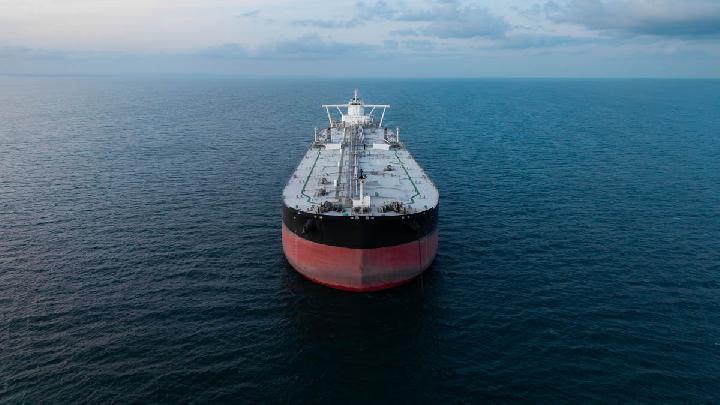
Tempatdonasi.com – Jakarta – The U.S. Treasury has announced a general license that permits the production, delivery, and sale of Iranian crude oil, according to a report by Deutsche Welle. This temporary measure, valid until August 21, aligns with the 60-day timeline outlined in the U.S.-Iran agreement roadmap. The decision marks a key development in ongoing negotiations between the two nations, as it reflects a mutual commitment to easing economic restrictions while advancing nuclear-related agreements.
The license serves as a sanction waiver, enabling U.S.-approved transactions involving Iranian oil. Treasury Secretary Scott Bessent highlighted the significance of this step during a post on X, stating that Iran had pledged to ensure unimpeded transit of its oil through the Strait of Hormuz and to allow International Atomic Energy Agency (IAEA) inspectors access to its facilities. “In line with the ongoing productive talks in Switzerland, Iran has committed to free and open transit in the Strait of Hormuz and to permit IAEA inspectors into their country,” Bessent said, underscoring the progress made in diplomatic efforts.
“The Iranians have agreed to invite IAEA inspectors back into their country,” Vance told reporters at the Burgenstock Resort in Switzerland.
U.S. Vice President JD Vance emphasized that the return of inspectors is a critical component of the agreement. “That is a major milestone for the American people and the first step in permanently denuclearizing or permanently ending a nuclear weapons program in Iran,” he noted, framing the development as a strategic achievement. Vance also expressed confidence that the discussions on inspector access would begin promptly, though he acknowledged the need for further details. “I expect that will happen at the minimum this week, but we think even some of those conversations with the inspectors… and with the IAEA could happen as soon as today,” he added, signaling urgency in the process.
The agreement builds on earlier commitments from Iran, including its pledge to dilute its enriched uranium stocks. The U.S. had previously stated that Iran agreed to “down-blending on site under the supervision of the IAEA,” a process that reduces the enrichment level of uranium from 60 percent to a lower grade suitable for civilian energy use. This move is intended to limit Iran’s capacity to produce weapons-grade uranium, which typically requires enrichment to 90 percent. The IAEA’s latest assessment revealed that Iran held 440 kilograms of uranium enriched to 60 percent, a figure that has been a focal point in negotiations over the past months.
Vance’s comments came after extensive meetings with senior Iranian officials, during which he outlined the progress made toward a comprehensive deal. “The final deal is the house,” Vance remarked, using a metaphor to describe the culmination of the talks. “We set the foundation. We haven’t built the house, but we’ve laid a successful foundation,” he explained, emphasizing that the current framework is a necessary precursor to a binding agreement. This analogy underscores the incremental nature of the negotiations, with each step contributing to the broader goal of resolving tensions.
Iran, in turn, has acknowledged the momentum of the talks, describing the agreement as a “major progress” in ending the conflict in Lebanon. The country framed this development as the “first real test” of the diplomatic process, highlighting the significance of the achievement in building trust between the parties. While the focus remains on nuclear agreements, the broader implications of the U.S.-Iran collaboration extend to regional stability and economic cooperation. The successful return of IAEA inspectors is seen as a crucial signal that Iran is willing to engage in transparent oversight, a key demand from Western nations.
The waiver of oil sanctions is also a strategic move to support Iran’s economy while maintaining pressure on its nuclear program. By allowing limited oil transactions, the U.S. aims to balance its geopolitical interests, ensuring that Iran does not face immediate economic collapse while still adhering to nuclear commitments. This approach aligns with the broader strategy of using economic incentives to encourage compliance with international agreements. Analysts suggest that the temporary license provides Iran with the flexibility to stabilize its oil exports, which could have a ripple effect on its financial and political standing.
Meanwhile, the international community has been closely monitoring the situation, particularly the role of the IAEA in verifying Iran’s adherence to the terms. The agency’s presence in Iran is essential for assessing the country’s nuclear activities, including the enrichment process and stockpile management. The recent commitment to invite inspectors back is a departure from earlier restrictions, which had limited their access to key facilities. This change is expected to enhance transparency and provide critical data for assessing Iran’s compliance with the nuclear agreement.
Vance’s optimism about the talks was tempered by the acknowledgment of challenges ahead. While the return of inspectors and the oil sanctions waiver represent significant strides, the path to a final deal remains complex. The 60-day roadmap is designed to allow both sides to refine their positions, address remaining concerns, and finalize the terms of the agreement. Vance emphasized that the current framework is a “good foundation” for the final deal, but cautioned that further work is needed to ensure all aspects are resolved.
Historical context adds weight to the current developments. During his presidency, Donald Trump had proposed the idea of the U.S. taking control of the Strait of Hormuz to collect tolls, a vision that aligns with the current agreement’s focus on oil transit. Although the Trump administration’s approach was more assertive, the current framework seeks to achieve similar objectives through a combination of sanctions relief and diplomatic engagement. The return of IAEA inspectors is not only a step toward nuclear disarmament but also a symbolic gesture of trust between the U.S. and Iran.
The agreement’s success will depend on the continued cooperation between the parties and the IAEA’s ability to monitor Iran’s nuclear activities effectively. With the sanctions waiver and inspector access, the U.S. and Iran are positioning themselves for a more stable relationship, one that could lead to long-term peace in the region. As Vance noted, the current progress is a vital first step, but the final deal will require sustained efforts to address all outstanding issues.
Readers are encouraged to follow updates from Tempo for the latest developments in U.S.-Iran relations and the ongoing nuclear negotiations. The collaboration between the U.S. and Iran, though fraught with challenges, represents a pivotal moment in international diplomacy. By waiving oil sanctions and reestablishing IAEA oversight, the two nations are laying the groundwork for a more comprehensive resolution to their disputes.