Prabowo Inaugurates 1,151 Km of Regional Roads Nationwide
Prabowo Inaugurates 1,151 Kilometers of Regional Roads Nationwide Prabowo Inaugurates 1 151 Km of Regional - On June 23, Indonesian President Prabowo Subianto
Prabowo Inaugurates 1,151 Kilometers of Regional Roads Nationwide
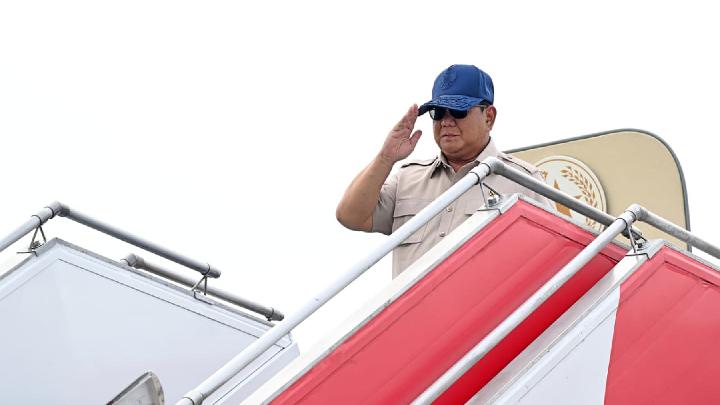
Tempatdonasi.com – On June 23, Indonesian President Prabowo Subianto conducted the ceremonial opening of 1,151 kilometers of regional roads across 37 provinces, as part of a broader initiative aimed at achieving food and energy self-sufficiency. The event, held in Sampang Regency, East Java, symbolized a major step in the government’s efforts to enhance infrastructure connectivity in underserved areas. This development is linked to Presidential Instruction (Inpres) No. 11 of 2025, which focuses on accelerating regional road construction to support the nation’s economic and logistical goals.
A Strategic Move for Economic Resilience
During the inauguration, Prabowo emphasized the importance of infrastructure in fostering national resilience. He highlighted that reliable transportation networks are not just about moving goods but also about creating a stable foundation for Indonesia’s economic growth. The new roads are designed to link rural communities with urban markets, ensuring that agricultural and industrial products can be transported efficiently. This, in turn, is expected to reduce logistical bottlenecks and improve the country’s ability to meet its food and energy targets.
Prabowo’s remarks during the ceremony, broadcast live on the Presidential Secretariat’s YouTube channel, underscored the dual focus of the program. “Food self-sufficiency is not only about seeds, fertilizers, and irrigation. Energy self-sufficiency is not only about energy production. Both depend on smooth and efficient distribution networks,” he stated. This sentiment reflects the government’s recognition of infrastructure as a critical enabler for achieving broader national objectives.
Cabinet Participation and Program Objectives
The inauguration ceremony was attended by several high-ranking officials, including Public Works Minister Dody Hanggodo, Coordinating Minister for Food Affairs Zulkifli Hasan, State Secretary Prasetyo Hadi, Energy and Mineral Resources Minister Bahlil Lahadalia, and Cabinet Secretary Teddy Indra Wijaya. Their presence highlighted the cross-departmental collaboration required to implement the program. The Inpres initiative, launched in 2025, targets the expansion of regional roads to streamline supply chains and boost economic activity in remote regions.
The program’s scope includes improving connectivity between villages and distribution centers, which is vital for the agricultural, fishery, and plantation sectors. By ensuring that local products reach markets without delays, the government aims to strengthen both food security and energy accessibility. This approach also aligns with Indonesia’s vision of reducing regional disparities through targeted infrastructure investments.
Prabowo’s Vision for Rural Development
“In the name of Allah, I, Prabowo Subianto, President of the Republic of Indonesia, hereby inaugurate the 2025 Presidential Instruction Program covering 1,151 kilometers of regional roads across Indonesia,” Prabowo declared at the event. His statement reflected a commitment to developing infrastructure that serves as a lifeline for rural communities. The president argued that such projects are essential for a country as vast and diverse as Indonesia, where geographical challenges often hinder economic progress.
“Regional roads are a vital component of the national economy, enabling agricultural, plantation, fishery, and other local products to move efficiently from villages to markets and distribution centers,” Prabowo said. This perspective highlights the strategic role of transportation networks in connecting producers with consumers and supporting the overall economic ecosystem.
Prabowo also reiterated the importance of sustained development spending, particularly in rural areas. He called on local governments to take responsibility for maintaining and optimizing the newly constructed roads. “Reliable infrastructure is the backbone of national resilience,” he added, stressing that continued investment is necessary to ensure long-term benefits for all regions.
Part of a Broader Tour in East Java
The road inauguration was part of Prabowo’s working visit to East Java, where he is addressing key economic and social priorities. Following the event in Sampang, the president is set to travel to neighboring Bangkalan Regency for the closing session of the 2026 National Deliberation of Religious Scholars and the Grand Conference of Nahdlatul Ulama (NU) at the Syaichona Mohammad Cholil Institute of Islamic Studies. This combination of infrastructure development and religious engagement underscores the government’s holistic approach to national progress.
East Java, a region known for its agricultural output and strategic location, is a focal point for Indonesia’s economic development. The regional roads being inaugurated are expected to facilitate trade, attract investment, and improve access to essential services for local populations. This aligns with the national goal of integrating rural and urban economies through improved connectivity.
Supporting Self-Sufficiency Through Connectivity
Prabowo’s initiative is closely tied to Indonesia’s broader objectives of achieving food and energy self-sufficiency. By improving road networks, the government aims to create a more efficient distribution system that supports both production and consumption. For instance, better connectivity can help farmers transport crops to processing facilities and markets, reducing post-harvest losses and ensuring food security. Similarly, energy infrastructure projects benefit from accessible transport routes, enabling the movement of raw materials and equipment to remote production sites.
The 1,151 kilometers of roads being unveiled today represent a significant investment in Indonesia’s logistical capacity. This expansion is expected to reduce dependency on external supply chains, particularly in regions that have historically faced transportation challenges. The government has also pledged to allocate additional funding for rural development, ensuring that these infrastructure projects are not only built but also maintained over time.
Long-Term Impacts and Regional Collaboration
Experts suggest that the success of these roads will depend on effective collaboration between central and local governments. Prabowo’s emphasis on local governments maximizing the use of these roads highlights the need for decentralized management and community involvement. “Infrastructure development remains essential for a country as geographically vast and diverse as Indonesia,” he reiterated, pointing out that reliable transportation networks are critical to maintaining economic stability.
With this program, Indonesia aims to create a nationwide transportation framework that supports both food and energy self-sufficiency. The roads are not only a means of moving goods but also a way to stimulate local economies and improve livelihoods. By prioritizing regional connectivity, the government is addressing the challenges of uneven development and positioning the country for sustainable growth.
The event in Sampang serves as a reminder of the transformative potential of infrastructure projects. As part of the 2025 Inpres, the roads are expected to contribute to Indonesia’s vision of becoming a self-reliant nation. The combination of public works, energy planning, and food security initiatives reflects a coordinated effort to strengthen the country’s economic and social foundations.
Read: Prabowo Heads to East Java for NU Conference, Road Event
Click here to get the latest news updates from Tempo on Google News.