Venezuela Twin Tremors: US, Neighboring Countries Offer Help
S, Neighboring Countries Offer Help Venezuela Twin Tremors - Two powerful earthquakes shook Venezuela on Wednesday, prompting immediate international response
Venezuela Twin Tremors: US, Neighboring Countries Offer Help
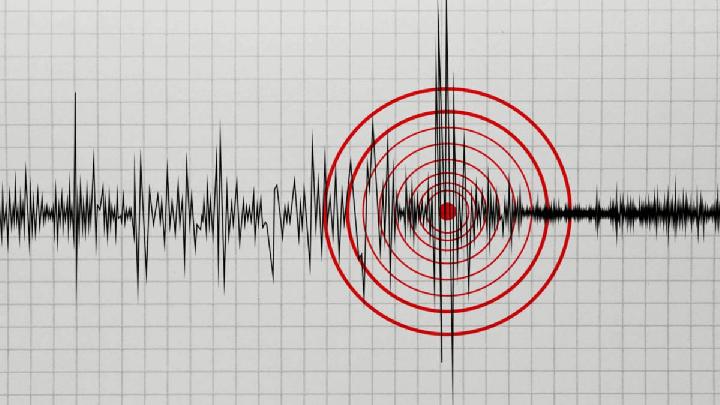
Tempatdonasi.com – Two powerful earthquakes shook Venezuela on Wednesday, prompting immediate international response as the nation grappled with the aftermath. The tremors, which struck in rapid succession, have raised concerns over the safety of citizens and the stability of critical infrastructure. In the wake of the disaster, leaders from the United States and neighboring Latin American countries have expressed readiness to assist, highlighting a coordinated effort to alleviate the crisis.
US Leaders Commit to Supporting Venezuela
President Donald Trump of the United States emphasized the country’s preparedness to aid Venezuela during a series of intense seismic events. Speaking on his social media platform, Truth Social, Trump highlighted the severity of the quakes and their impact on the region. “The two major earthquakes that just hit the great people of Venezuela are both massive in scale and have left a devastating number of deaths,” he stated, underscoring the urgency of the situation.
“The USA stands ready, willing, and able to help! I have instructed all agencies of our government to get ready to move quickly. We will be there for our new and great friends. Early reports are not good!!!”
Trump’s remarks reflect a broader American commitment to disaster relief. Meanwhile, US Deputy Secretary of State Christopher Landau reiterated Washington’s solidarity with Venezuela, confirming that officials had initiated contact with local authorities to assess the damage. “The US stands with the Venezuelan people in the aftermath of this evening’s devastating earthquakes,” Landau wrote on X, the social media platform formerly known as Twitter.
Landau’s statement detailed the mobilization of assistance, indicating that the United States was positioning itself to provide immediate support. The US Under Secretary of State for Foreign Assistance, Jeremy Lewin, added that a dedicated disaster response team had already been dispatched. “The US will be sending search and rescue teams, medical and humanitarian supplies, and other essential resources in the crucial first days after this tragic natural disaster,” he noted on X, emphasizing the critical nature of early intervention.
Regional Nations Extend Aid to Venezuela
Latin American countries swiftly responded to the quakes, offering their own forms of assistance to the affected nation. El Salvador’s President Nayib Bukele took to X, announcing the deployment of a significant rescue operation. “300 rescuers and paramedics, along with 50 tons of equipment, medicines, and essential supplies, are ready to depart for Caracas,” he said, signaling the readiness of his country’s emergency teams.
The Dominican Republic also pledged its support, with President Luis Abinader confirming direct communication with Venezuela’s interim president, Delcy Rodriguez. “Specialized teams for search, rescue, and emergency care from our Armed Forces will depart for Venezuela” early on Thursday, Abinader stated, highlighting the military’s role in the relief efforts.
Brazil’s President Luiz Inacio Lula da Silva announced similar plans, instructing the Brazilian Embassy in Caracas to evaluate the situation and provide aid. “Our government is actively assessing the damage and will deploy necessary resources to support Venezuela,” he declared on X, aligning with the regional trend of solidarity. Additional countries, including Argentina and Colombia, also extended their assistance, though specific details were not immediately released.
Impact of the Earthquakes and Ongoing Assessments
Venezuela’s government has yet to confirm the full extent of the damage or the number of casualties. While early reports suggest significant destruction, the official count of injured or deceased individuals remains under review. The country’s emergency services are working alongside international teams to conduct assessments and coordinate recovery efforts.
Experts warn that the dual quakes could have long-term consequences for Venezuela’s infrastructure, particularly in regions with older building structures. “The combination of these seismic events has increased the risk of secondary disasters, such as landslides and building collapses,” said a geologist affiliated with the University of Caracas. “Venezuela’s preparedness for such scenarios will determine the speed of its response.”
Local authorities have begun mobilizing resources, with reports indicating that hospitals and emergency shelters are being prepared to handle the influx of victims. The government’s ability to manage the crisis has drawn attention, as the nation faces challenges in maintaining operational efficiency during large-scale natural disasters. Meanwhile, international donors are working to ensure that aid reaches the most affected areas, including the capital, Caracas, and surrounding regions.
Global Response Gathers Momentum
As the situation unfolds, the global community has shown increasing concern for Venezuela’s plight. The United Nations and regional organizations are coordinating with local leaders to provide additional support, including financial assistance and technical expertise. “This is a moment of collective responsibility,” said a UN spokesperson, “and we are committed to helping Venezuela recover from these devastating events.”
International partnerships are also being strengthened. The US has joined forces with countries such as Chile and Mexico, which have shared their experience in managing earthquakes. These collaborations aim to streamline the delivery of aid and enhance the effectiveness of relief operations. “By pooling our knowledge and resources, we can ensure that Venezuela receives the best possible support,” said a representative from the Organization of American States.
Furthermore, the response has sparked discussions about the importance of regional cooperation in disaster management. “Venezuela’s proximity to other Latin American nations means that the region can act as a unified front in times of crisis,” added a policy analyst from the Inter-American Development Bank. “This solidarity demonstrates the resilience of the continent in the face of natural disasters.”
As the quakes continue to impact communities, the focus remains on rapid relief and long-term recovery. The United States and its neighbors are working tirelessly to provide immediate aid, while global organizations prepare to contribute to the effort. “The people of Venezuela deserve our full support as they rebuild their lives,” concluded Trump in a later post, reaffirming the nation’s commitment to the region’s well-being.
For real-time updates on the situation, readers can follow the latest news from Tempo on Google News.