
Venezuela Twin Earthquake Death Toll Jumps to 589
Venezuela Twin Earthquake Death Toll Jumps to 589 Venezuela Twin Earthquake Death Toll Jumps - As of Friday, Venezuela’s interim president, Delcy Rodríguez
Venezuela Twin Earthquake Death Toll Jumps to 589
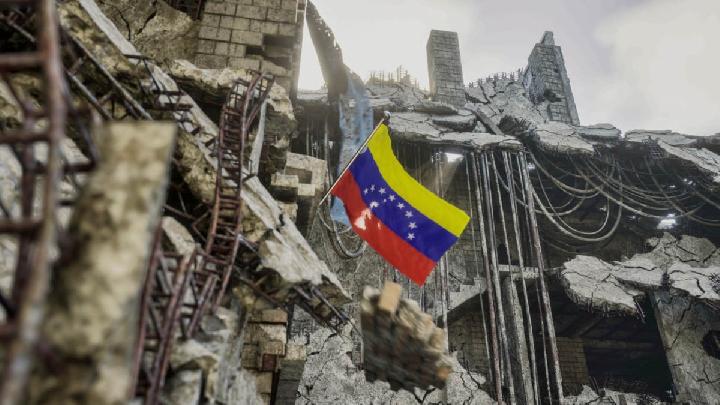
Tempatdonasi.com – As of Friday, Venezuela’s interim president, Delcy Rodríguez, confirmed that the death toll from a pair of devastating earthquakes that shook the country late Wednesday has climbed to 589. The crisis has drawn urgent attention from both domestic authorities and international media outlets, with rescue operations ongoing to locate those still trapped under the debris of collapsed structures. According to reports from Deutsche Welle, the nation’s emergency response teams are working relentlessly to salvage lives amid the widespread devastation. The situation has become increasingly dire, prompting Rodríguez to address the public and outline the scale of the disaster.
Shifting Casualty Numbers Reflect Escalating Crisis
Rodríguez, during a televised session with government officials and military representatives, announced that the number of injured has now surpassed 2,980—a significant increase from the previously reported 235 fatalities. The updated figures mark a grim progression in the aftermath of the quakes, which struck approximately 160 kilometers west of Caracas. The initial toll of 235 had been released earlier in the week, but as rescue efforts continued, the full extent of the damage has emerged.
“Regrettably, we now have 589 people who died,” Rodríguez stated, as reported by China National News Agency. “We are going to rescue the people who are trapped. We are working tirelessly on this task.”
The earthquakes, measuring 7.2 and 7.5 on the Richter scale, have left a trail of destruction across multiple regions, including the coastal city of La Guaira, which was severely impacted. The tremors, which occurred on Wednesday evening, triggered collapses of buildings, disrupted infrastructure, and caused panic among residents. Rodríguez emphasized the need for coordinated efforts, meeting with the army’s general staff to ensure seamless execution of relief operations. This meeting highlights the government’s commitment to addressing the emergency, though the scale of the disaster has strained resources.
Structural Damage and Disruptions to Daily Life
Authorities have taken immediate steps to manage the crisis, declaring a nationwide state of emergency to streamline response efforts. The declaration allows for the mobilization of additional resources, including medical personnel, to cope with the surge in casualties. Rodríguez urged healthcare workers to report for duty, stressing the importance of prioritizing victims arriving at emergency rooms. “We need all doctors and nurses to report to their places of work. We must take care of everyone who is arriving at emergency rooms,” she said in a televised address.
Amid the chaos, the country’s primary airport was temporarily closed after inspectors identified structural damage to the terminal roof. This precautionary measure has disrupted travel and logistics, complicating the delivery of aid to affected areas. Schools, too, have been closed for the remainder of the week, as officials prioritize safety and assess the damage to educational facilities. Residents have been advised to avoid buildings that may have sustained weakened foundations, adding a layer of caution to everyday activities.
Rescue Operations and the Search for Survivors
Rescue teams have been operating around the clock to extract survivors from the rubble, with efforts focused on regions hardest hit by the quakes. The search for missing individuals has intensified, as the death toll continues to rise. A website, created by opposition leaders, has compiled data on the unaccounted, listing approximately 49,500 people as still missing. This figure underscores the extensive impact of the disaster, which has left communities in disarray.
The dual earthquakes, which occurred within a short timeframe, have caused cascading effects on the nation’s infrastructure and population. Buildings constructed with substandard materials or in vulnerable areas have suffered catastrophic damage, leading to loss of life and displacement. In La Guaira, security forces have been deployed to distribute essential supplies, including food and water, to those affected. This support is critical in maintaining morale and ensuring basic needs are met during the recovery phase.
International Assessments and Future Concerns
The U.S. Geological Survey (USGS) had earlier issued warnings about the potential for a higher death toll, estimating that fatalities could exceed 10,000 based on the seismic activity’s impact. While this prediction remains unconfirmed, it reflects the severity of the quakes and the vulnerability of the region. The USGS’s analysis, combined with the updated figures from Venezuelan officials, has raised concerns about the long-term recovery and the need for international assistance.
Rodríguez’s administration is under pressure to provide accurate information and manage public anxiety. The president’s statements, while optimistic about rescue efforts, also highlight the challenges of coordinating a massive relief operation. The twin earthquakes have not only tested the nation’s emergency preparedness but also exposed weaknesses in its infrastructure and response systems. As the situation unfolds, the focus remains on saving lives and stabilizing the affected areas.
Analysts suggest that the earthquakes may have exacerbated existing socio-economic challenges, particularly in regions where poverty and inadequate building codes are prevalent. The scale of destruction has forced communities to rely on temporary shelters and aid from neighboring countries. Meanwhile, the government’s ability to maintain control and provide timely updates will be crucial in shaping public perception and securing support from international partners.
Despite the tragic loss of life, there are signs of resilience among Venezuelans. Volunteers and local organizations have joined rescue crews, demonstrating a collective effort to rebuild and recover. However, the road to recovery is long, with the nation facing the dual burden of natural disaster and ongoing economic instability. As the death toll rises and the number of injured increases, the urgency of the situation demands continued vigilance and resource allocation.
The earthquakes have also drawn attention to the broader implications of seismic activity in the region. Geologists note that Venezuela lies in an area prone to tremors due to its location near the boundary of tectonic plates. This fact raises questions about the country’s preparedness for future disasters and the need for improved early warning systems. While the immediate focus is on rescue and relief, long-term strategies to mitigate risks will be essential in preventing similar crises in the future.
As of Friday, the combined efforts of rescue teams and volunteers have recovered over 500 individuals, yet thousands remain missing. The website tracking unaccounted victims, which has gained traction among opposition groups, serves as a testament to the public’s desire for transparency and accountability. The data shared by the site provides a clearer picture of the disaster’s human toll, though it also highlights the gaps in official reporting.
International organizations and neighboring countries have pledged support, with aid packages and technical assistance promised to assist in the recovery. The global response underscores the interconnectedness of crises and the importance of solidarity in times of need. However, the effectiveness of this aid will depend on the coordination between local authorities and international partners.
For now, the people of Venezuela continue to endure the aftermath of the twin earthquakes, with their resilience tested by the scale of destruction. As the death toll rises to 589 and the injured count surpasses 2,980, the nation’s focus remains on survival, recovery, and rebuilding. The journey ahead will require not only immediate action but also sustained commitment to addressing the long-term consequences of this unprecedented disaster.