Rescue Underway as Venezuela Quakes Death Toll Crosses 900
Rescue Underway as Venezuela Quakes Death Toll Crosses 900 Seismic Activity and Immediate Impact Rescue Underway as Venezuela Quakes Death - Two consecutive
Rescue Underway as Venezuela Quakes Death Toll Crosses 900
Seismic Activity and Immediate Impact
Tempatdonasi.com – Two consecutive earthquakes, measuring 7.2 and 7.5 on the Richter scale, rattled Venezuela’s northern coast on Wednesday, June 25, causing widespread devastation. The quakes, which occurred just 39 seconds apart, were centered in the Yaracuy state, with the more powerful 7.5 magnitude event striking approximately 14.3 miles southeast of Yumare. The 7.2 magnitude tremor followed shortly after, hitting about 14.9 miles northeast of San Felipe, both in the same region. These seismic events, referred to as a “seismic doublet” by officials, left a trail of destruction, particularly in the coastal area of La Guaira, which was among the hardest-hit regions.
“The seismic doublet that struck Venezuela’s northern coast on Wednesday, followed by strong aftershocks, caused extensive damage in the most affected areas,” stated Jorge Rodríguez, President of the Venezuelan National Assembly, during a televised address on Friday, June 26. He noted that the quakes had disrupted local infrastructure and left over 3,600 people injured, with the death toll surpassing 900 as of the latest update.
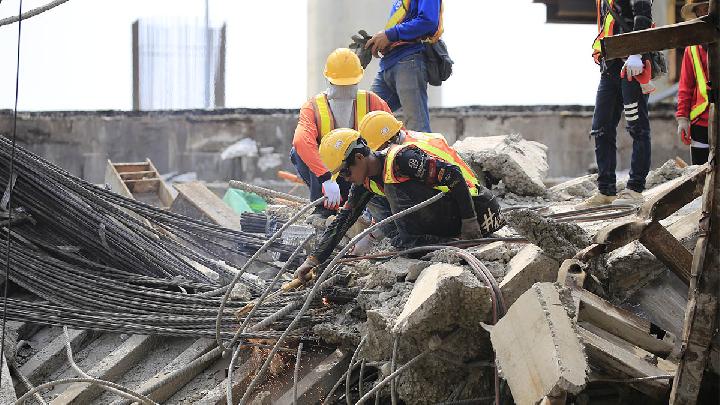
Rodríguez emphasized that the twin earthquakes and their subsequent aftershocks had created a critical situation, especially in La Guaira. The state, known for its industrial zones and densely populated areas, faced severe challenges as buildings collapsed and roads cracked. According to the official, 383 structures were severely damaged, including homes, commercial buildings, and public facilities. The collapse of these buildings not only claimed lives but also trapped numerous individuals, prompting rescue teams to work tirelessly in the rubble.
Displacement and Emergency Housing
The disaster forced 3,007 residents to abandon their homes, leading to a massive displacement crisis. Many of these displaced individuals are now sheltering in makeshift camps, temporary shelters, and field hospitals set up in the affected regions. The temporary housing solutions have become a lifeline for survivors, providing basic medical care and food supplies. However, the logistics of accommodating such a large number of people have strained local resources, highlighting the urgency of the situation.
Emergency response teams, both national and international, have been deployed to assist in the search and rescue operations. The efforts are ongoing, with teams using heavy machinery and manual techniques to clear debris and locate survivors. Despite these efforts, the scale of the damage has made the task arduous. Rodríguez acknowledged the challenges, stating, “The coordination of rescue operations is complicated by the extent of the destruction and the difficulty of accessing certain areas.”
Government Urges Caution in Affected Regions
In a bid to manage the crisis, the Venezuelan government has advised citizens to avoid traveling to La Guaira. This precaution is necessary due to the heavy traffic congestion that has emerged as people rush to evacuate the injured and reach safer zones. Rodríguez explained that the chaotic movement of vehicles and pedestrians has slowed down emergency response times, making it harder for rescuers to navigate the affected areas and deliver aid efficiently.
“Residents are urged to stay away from La Guaira to prevent further delays in evacuation efforts and to ensure the safety of both the affected population and the rescue workers,” said Rodríguez. The warning also serves to reduce the risk of additional injuries from secondary incidents, such as falling debris or collapsing structures in the aftermath of the quakes.
The situation has drawn attention from international organizations, with several countries offering assistance. The United States Geological Survey (USGS) provided detailed data on the quakes, confirming their magnitudes and locations. The 7.5 magnitude earthquake, which struck earlier in the day, caused the most significant damage, while the 7.2 magnitude event followed closely behind, adding to the destruction. The proximity of the two quakes—just 39 seconds apart—exacerbated the impact, leaving little time for communities to recover between the shocks.
Historical Context and Regional Vulnerability
Venezuela’s northern coast, particularly the Yaracuy state, has a history of seismic activity, making it a region prone to earthquakes. The recent event, however, was more intense than previous occurrences, underscoring the need for improved disaster preparedness. The area’s geological features, including fault lines and soft soil conditions, contribute to the amplification of seismic waves, resulting in more severe damage to buildings and infrastructure.
Experts warn that the destruction caused by the quakes has long-term implications for the region’s development. The collapse of 383 structures has disrupted not only daily life but also economic activities, as many businesses and services in La Guaira remain closed. The damage to roads and bridges has further isolated the area, complicating the distribution of supplies and the movement of aid. In addition to the physical destruction, the psychological toll on the affected population is significant, with many residents experiencing fear and anxiety in the wake of the disaster.
International Response and Ongoing Efforts
International search and rescue teams have joined local efforts to locate survivors and provide aid. These teams, equipped with advanced technology and training, have been deployed to the most affected zones, where they are working alongside Venezuelan volunteers. The collaboration has been vital in improving the efficiency of the rescue operations, as international experts bring specialized skills to the table.
While progress has been made, the process is slow. The collapsed buildings in La Guaira, for instance, have required careful dismantling to ensure the safety of rescuers. In some cases, teams have had to use drones and thermal imaging to detect signs of life beneath the debris. Despite these technological aids, the scale of the damage has meant that every discovery is a cause for celebration, as the number of confirmed survivors continues to rise.
Future Outlook and Recovery Challenges
As the immediate crisis unfolds, the focus is now shifting to long-term recovery. The government has announced plans to assess the damage and allocate funds for rebuilding efforts. However, the magnitude of the destruction and the economic strain on the country have raised concerns about the feasibility of a rapid recovery. With over 900 deaths and thousands injured, the humanitarian needs are vast, requiring a coordinated effort from both local and international sources.
Community leaders and survivors have also begun to organize themselves, setting up local aid committees to support those in need. These grassroots initiatives complement the government’s efforts, demonstrating the resilience of the affected population. Nevertheless, the challenges of rebuilding infrastructure and restoring normalcy remain formidable, especially in the face of ongoing aftershocks and the potential for further damage.
The earthquakes have served as a stark reminder of the vulnerability of regions like Venezuela to natural disasters. While the country has made strides in disaster management, the recent events highlight the need for continued investment in seismic preparedness and emergency response systems. As rescue operations continue, the hope is that the number of casualties will stabilize, and that the affected communities will begin the long process of recovery.
Read: Venezuela Twin Earthquake Death Toll Jumps to 589 Click here to get the latest news updates from Tempo on Google News