Indonesia’s Republic Conference on Sunday to Focus on 3 Agendas
sing Key National Issues Indonesia s Republic Conference on Sunday - The Republic Conference, a gathering of Indonesian civil society leaders, is set to take
Indonesia’s Republic Conference Set for Sunday, Addressing Key National Issues
Tempatdonasi.com – The Republic Conference, a gathering of Indonesian civil society leaders, is set to take place on Sunday, June 28, 2026, in Jakarta. Approximately 300 participants from diverse backgrounds—including academics, activists, religious scholars, and students—have registered for the event. This forum, titled *Reorganizing the Republic’s Path*, aims to foster collaboration among organizations and individuals dedicated to shaping Indonesia’s future.
Participants Emphasize Inclusivity and Shared Goals
Mandira Bienna Elmir, a representative from the Indonesian Youth Forum and one of the attendees, highlighted the conference’s broad appeal. She stated that the event is designed to unite people who are passionate about the country’s current challenges and aspirations. “The forum is accessible to all individuals interested in the nation’s present status,” Mandira said, adding that the gathering reflects a growing sense of urgency among civil society groups.
“Tomorrow’s consolidation will discuss and seek agreement on three main agendas,” Yanuar said on Saturday.
While Mandira acknowledged that student executive bodies (BEMs) had not yet confirmed their participation, she stressed the forum’s openness to all. “Technically, everyone is invited because civil society is not restricted to any specific group,” she explained. This inclusivity is seen as critical for addressing the multifaceted crises Indonesia faces, from economic instability to social polarization.
Agendas Designed to Strengthen Civil Society Networks
The Republic Conference’s organizers have outlined three central objectives for the upcoming meeting. These focus areas aim to create a more cohesive and effective civil society movement. The first agenda centers on defining the movement’s core principles, including its values, goals, and long-term vision. Yanuar Nugroho, the secretary general of the conference committee, emphasized that this foundational step is essential for aligning efforts across different sectors.
The second item on the agenda involves establishing the movement’s organizational framework. This includes setting up a network of partnerships and determining operational strategies to ensure smooth coordination. Yanuar noted that such a structure will help civil society groups work together more efficiently while maintaining their independence. “The Republic Conference does not dissolve existing organizations. Instead, it connects them so they can coordinate, support one another, strengthen the movement, and share agendas,” he clarified.
The third agenda will explore leadership dynamics within the movement. Yanuar highlighted the need for individuals willing to take on both visible and behind-the-scenes roles to sustain momentum and prevent any single group from dominating the initiative. “Leadership is crucial for maintaining effective communication and collaboration,” he said. “The movement requires active participation from all levels, not just top-down direction.”
Contextualizing the Conference: From Crisis to Collaboration
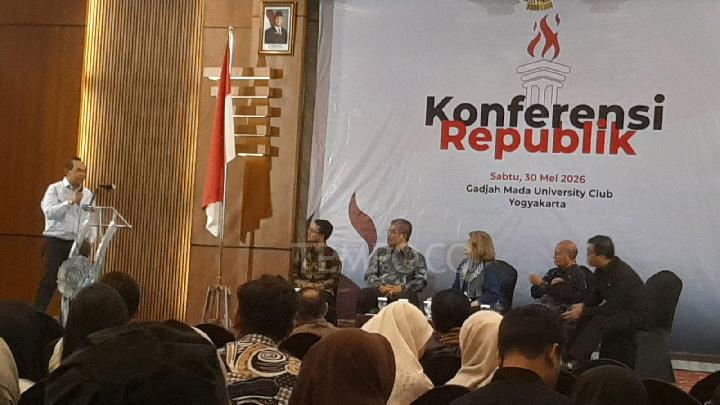
The Sunday event follows a previous Republic Conference held at Gadjah Mada University in Yogyakarta on May 30, 2026. That gathering brought together hundreds of civil society organizations, activists, and academics to address systemic challenges in Indonesia. Participants concluded that the nation is grappling with multiple crises spanning economic, political, and social domains. They also pointed out that democratic institutions have increasingly struggled to fulfill their roles as representatives and overseers of public life, despite continuing to function formally.
Yanuar Nugroho, reflecting on the event’s significance, stated that the conference seeks to unify rather than replace existing groups. “The purpose is to create a cross-sectoral platform where civil society can coordinate and amplify its impact,” he said. This approach is intended to bridge gaps between different segments of society and ensure collective action against shared challenges.
One of the key outcomes of the first conference was the recognition that the issues confronting Indonesia are interconnected. From the decline in public trust in institutions to the rise of regional tensions, these problems have created a need for a more integrated response. The Republic Conference aims to translate this awareness into actionable strategies, fostering partnerships that can address both immediate concerns and long-term goals.
Student Movements and the Role of Youth
Despite the recent wave of campus protests, Yanuar expressed optimism about the involvement of student movements. He noted that while formal student executive bodies (BEMs) have not yet committed, individual students have already participated in the conference. “Many young people are eager to contribute, even if they are not officially representing their organizations,” he said.
Mandira Bienna Elmir echoed this sentiment, stressing that the forum’s openness allows for a wide range of voices to be heard. “The Republic Conference is not confined to any one group. It’s about building a movement that includes students, academics, and grassroots activists,” she explained. This diversity is seen as a strength, enabling the discussion of varied perspectives and fostering innovative solutions.
Yanuar also emphasized the importance of youth engagement in maintaining the movement’s vitality. “The future of Indonesia depends on the active participation of its younger generation,” he said. By integrating student voices, the conference hopes to ensure that the movement remains dynamic and responsive to the needs of all citizens.
Expected Outcomes and Broader Implications
The organizers of the Republic Conference believe that the event will serve as a catalyst for meaningful change. By focusing on foundational elements, organizational structures, and leadership, they aim to create a sustainable framework for civil society to influence national policy. Yanuar noted that the conference is not just about identifying problems but also about developing strategies to address them collectively.
Participants anticipate that the discussions will lead to a clearer understanding of how civil society can support democratic processes. “The movement is about creating a space where people can come together and share ideas, resources, and responsibilities,” Mandira said. She also highlighted the importance of maintaining autonomy while fostering collaboration, ensuring that the movement remains adaptable and resilient.
With the nation facing complex challenges, the Republic Conference is viewed as a vital opportunity to strengthen the role of civil society in governance. Yanuar described the event as a step toward building a more unified and effective movement, capable of addressing the cross-sectoral nature of Indonesia’s current crises. “This is not just a one-time gathering. It’s about laying the groundwork for ongoing cooperation,” he said.
As the conference approaches, there is a sense of anticipation among participants. The discussions are expected to generate a renewed commitment to Indonesia’s democratic values and social cohesion. Whether through formal partnerships or informal engagement, the event underscores the belief that collective action can drive meaningful progress. With its emphasis on inclusivity, structure, and leadership, the Republic Conference aims to become a cornerstone of civil society’s efforts to shape the nation’s future.
Contributors to this article include Daniel A. Fajri, who provided insights into the event’s planning and implications. For further updates, readers can follow Tempo’s coverage on Google News, which highlights the latest developments in Indonesia’s civic and political landscape.