KontraS Says Police Detained 24 Surabaya Protesters
KontraS Says Police Detained 24 Surabaya Protesters KontraS Says Police Detained 24 Surabaya - On Friday, June 26, a protest organized under the hashtag
KontraS Says Police Detained 24 Surabaya Protesters
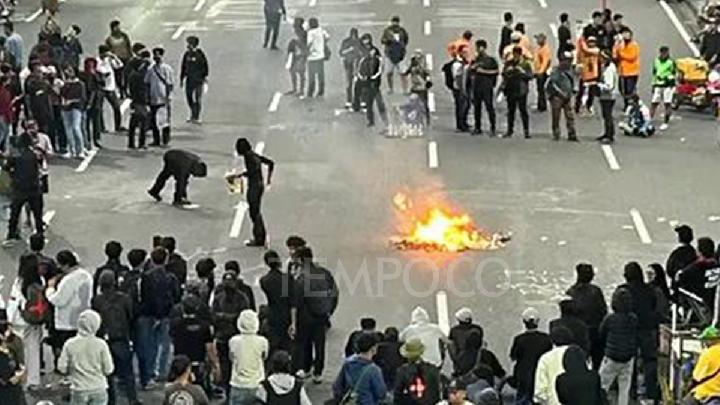
Tempatdonasi.com – On Friday, June 26, a protest organized under the hashtag #IndonesiaSekarat, which translates to “Indonesia Is Dying,” erupted outside the Grahadi State Building in Surabaya. The demonstration, initially peaceful, escalated into chaos as law enforcement officials intervened, arresting dozens of participants. Among those detained was a prominent female activist, sparking concerns about the fairness of the arrests. The human rights group KontraS, based in Surabaya, reported that police used force to apprehend 24 demonstrators during and after the event.
Statement from KontraS
In a statement released on Saturday, June 27, KontraS highlighted the use of coercive tactics by officers to control the crowd. “Participants were forcibly arrested near the protest site,” the organization noted, emphasizing that the actions of the police raised questions about the proportionality of their response. The group called for transparency in the arrest process, suggesting that the force applied may have exceeded what was necessary to manage the situation.
“Participants were forcibly arrested near the protest site.”
Timeline of the Protests
According to Tempo’s observations, the protest commenced at 03:30 PM WIB, with participants gathering near the Grahadi State Building, the administrative headquarters of East Java’s governor. By 06:00 PM WIB, tensions rose as protesters began pushing against the security barriers surrounding the building. This marked a turning point, as the demonstration transitioned from a peaceful gathering to a more aggressive confrontation.
KontraS representative Zaldi Maulana described the sequence of events, stating that police surrounded the demonstrators after approximately two hours of speeches. The officers then deployed water cannons to block the western side of Gubernur Suryo Street, effectively isolating the crowd. This move, according to Zaldi, created a bottleneck that forced protesters into a confined space, increasing the risk of confrontation.
“After pushing the crowd back, police began arresting demonstrators.”
Police Actions and Arrests
As the evening progressed, the situation intensified. Around 07:00 PM WIB, law enforcement officers used water cannons and tear gas to disperse the protesters. The forceful tactics caused the crowd to retreat toward a nearby fountain monument, where the protest had gathered. Zaldi Maulana alleged that plainclothes officers were strategically positioned around the monument before launching a sudden attack on the demonstrators.
He claimed that the arrests were conducted without clear justification, with protesters being taken into custody indiscriminately. Some detainees were first brought into the Grahadi compound, where they were held before being transported to Surabaya Police Headquarters. Even after the main demonstration had dispersed, officers continued to search the surrounding area, arresting additional participants. This pattern of arrests raised suspicions about the police’s intent and the transparency of their operations.
“Several plainclothes officers had been stationed around the monument before chasing and detaining protesters.”
Surabaya Police Chief’s Response
Surabaya Police Chief Commissioner Luthfie Setiawan defended the actions taken by officers, stating that they initially tried to guide protesters toward Balai Pemuda, a public space adjacent to the Grahadi State Building. “They continued damaging property, which endangered both the public and themselves,” he explained to reporters. “Therefore, we were forced to take firm action by pushing the crowd back.” Luthfie acknowledged the disruption but argued that the police were compelled to act decisively to restore order.
Despite his explanation, Luthfie did not directly address KontraS’s claim that 24 individuals had been detained. Instead, he mentioned that the data collection and interrogation process was still ongoing, with officers questioning those taken into custody. “Those found to have committed violations will be processed in accordance with the law,” he assured, though the timeline of the arrests and their justification remained under scrutiny.
“The data collection and interrogation process is still ongoing. Those found to have committed violations will be processed in accordance with the law.”
Context and Public Reaction
The #IndonesiaSekarat protest was part of a broader movement that has gained traction in recent weeks, reflecting growing public discontent with government policies. While the exact cause of the demonstration was not detailed in the report, the hashtag implies a focus on systemic issues within the country. The violent dispersal of the protest and the subsequent arrests have sparked debates about police accountability and the treatment of peaceful demonstrators.
Local residents and activists expressed mixed reactions to the police’s actions. Some supported the decision to quell the unrest, arguing that the force used was necessary to prevent further damage. Others, however, criticized the arrests as excessive, citing the lack of clear evidence against the detainees. Social media platforms became a battleground for opinions, with users sharing footage of the incidents and calling for an independent investigation into the police’s conduct.
As the situation unfolded, the protest highlighted the delicate balance between maintaining public order and protecting civil liberties. KontraS and other human rights organizations have since called for a review of the arrest procedures, emphasizing the need for proportionality and transparency. The incident also reignited discussions about the role of law enforcement in managing demonstrations, particularly in urban centers like Surabaya where protests often draw significant attention.
Broader Implications
With the protest drawing a large crowd and escalating into a violent confrontation, the events in Surabaya have become a focal point for national conversations about governance and dissent. The arrest of 24 demonstrators, including activists, underscores the ongoing tensions between authorities and those advocating for change. KontraS’s report adds to a growing body of evidence suggesting that police interventions in protest scenarios may sometimes prioritize control over dialogue.
As the investigation into the arrests continues, the incident serves as a reminder of the challenges faced by protesters in maintaining their voices without facing repression. The combination of public demonstrations and police action highlights the complex dynamics at play in Indonesia’s political landscape. With more details expected from the police department and KontraS, the situation may further evolve, influencing future protests and the public’s perception of law enforcement.
Hanaa Septiana contributed to the writing of this article. For more updates, visit Tempo’s Google News page to stay informed about the latest developments in the region.