South Korea Coach Hong Myung-bo Resigns After World Cup Exit
South Korea Coach Hong Myung-bo Resigns After World Cup Exit South Korea Coach Hong Myung bo Resigns - On Sunday, June 28, 2026, Hong Myung-bo, the head coach
South Korea Coach Hong Myung-bo Resigns After World Cup Exit
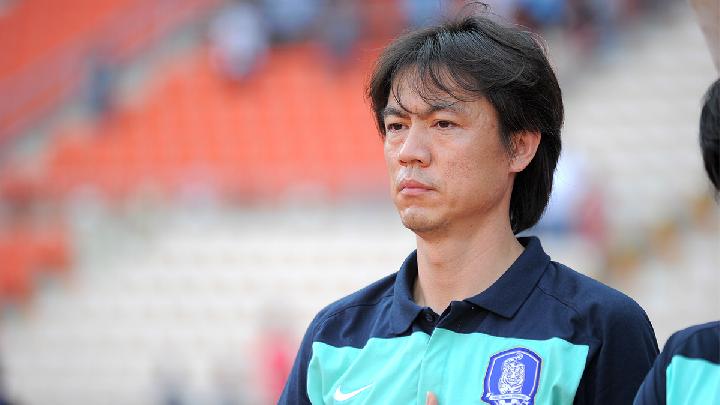
Tempatdonasi.com – On Sunday, June 28, 2026, Hong Myung-bo, the head coach of South Korea’s national team, formally stepped down from his role following the Taeguk Warriors’ early exit from the 2026 World Cup. The decision came a day after the team failed to progress beyond the group stage, marking another disappointing chapter in the nation’s football history. Hong’s resignation was announced by the South Korean Football Association, which cited the coach’s willingness to take full accountability for the team’s performance. The news was reported by Yonhap News Agency and shared with Tempo.CO readers, highlighting the emotional weight of the moment.
A Coach’s Final Statement
“I want to extend my deepest apologies to the fans and supporters of Korean football. Today, I am resigning as the national team coach,” Hong Myung-bo stated in a press conference. His words underscored the frustration of a campaign that fell short of expectations, even as the team had entered the tournament with considerable optimism.
Hong, who has been in charge of the national team for two years, faced renewed scrutiny after the group stage results. This marked his second term as head coach, yet the pressure to deliver a better performance than the 2014 World Cup had not been alleviated. In 2014, South Korea also fell short of advancing past the round of 16, leaving a lingering sense of unfulfilled potential. The 2026 World Cup, however, had promised a fresh start, with expectations high for a team that had long been a consistent contender in international football.
The Group Stage Struggles
South Korea’s group, Group A, featured formidable opponents, including hosts Mexico, South Africa, and the Czech Republic. The team was considered a favorite to secure a spot in the round of 32, but their campaign was marred by inconsistent performances. Despite a 2-1 victory over the Czech Republic, which secured three crucial points, the Taeguk Warriors struggled against their other rivals. A 1-0 loss to South Africa and a 1-0 defeat to Mexico left them with just three points in the group, placing them in a precarious position.
The results of other matches further compounded their challenges. While the team had hoped to qualify as one of the eight best third-placed teams, the competition proved more fierce than anticipated. Competitors like Mexico and South Africa demonstrated resilience, while the Czech Republic, though a weaker team, managed to secure vital points. The Taeguk Warriors’ inability to capitalize on their opportunities left them without a realistic path to the knockout stages.
A Reflection on Leadership
“Over the past two years, I have continually questioned whether my choices—whether in selecting players or planning training sessions—were truly in the best interest of Korean football,” Hong Myung-bo admitted. His statement revealed the internal conflict of a coach striving to balance tradition with innovation, while also highlighting the challenges of maintaining high standards in a rapidly evolving sport.
Hong’s tenure was characterized by a mix of tactical adjustments and personnel changes. He had sought to modernize the team’s approach, integrating young talent with experienced veterans. Yet, the results on the pitch suggested that these efforts had not translated into sustained success. The coach’s decision to resign reflected not only the team’s failure to advance but also the personal toll of managing such high expectations.
South Korea’s football federation had supported Hong during his first term, acknowledging his contributions to the sport. However, the 2026 World Cup exit marked a turning point, with fans and analysts questioning whether the coach’s strategies were outdated or if the team lacked the necessary depth to compete at the highest level. The resignation announcement came as a shock to many, as Hong had been seen as a stabilizing force in the national team’s structure.
The Road to the Knockout Stages
Despite their three points, South Korea had hoped to secure a spot in the round of 32 through the group stage’s third-placed qualifiers. This system, which allows teams to advance based on points and head-to-head records, had been a lifeline for underdog nations in past tournaments. However, the Taeguk Warriors’ inconsistent form meant they were unable to climb the rankings, even as other teams in the group secured better results.
The defeat to South Africa, a team that had struggled in previous World Cups, was particularly damaging. It not only cost South Korea a key point but also exposed vulnerabilities in their defense. Similarly, the loss to Mexico, a side with strong home support and a history of strong performances, underscored the difficulty of competing against well-established football nations. Hong’s team had shown flashes of brilliance, most notably in their 2-1 victory over the Czech Republic, but these moments were not enough to secure progression.
Legacy and Future Implications
Hong Myung-bo’s resignation marks the end of an era for South Korean football. His career has been defined by a commitment to developing the national team, though his record in major tournaments remains a point of contention. The 2026 World Cup exit is the latest in a series of setbacks, raising questions about the future direction of the squad. Fans, who had followed the team’s journey with hope, now face an uncertain period as the search for a new coach begins.
While the immediate focus is on Hong’s departure, the broader implications for South Korea’s football strategy are significant. The team’s performance in the group stage has highlighted the need for tactical flexibility and consistent player form. With the 2026 World Cup now behind them, the focus shifts to preparing for the next edition, where the pressure to succeed will only grow. For Hong, the decision to step down was a symbolic gesture of responsibility, but it also leaves his legacy open to interpretation.
As the nation mourns the loss of a coach who had led them through multiple tournaments, the spotlight turns to the next generation of leaders. The resignation of Hong Myung-bo is not just an end to his career but also a catalyst for change, potentially ushering in new strategies and fresh perspectives. South Korea’s football supporters will be watching closely to see how the team rebuilds and regains their footing on the global stage.
Read more about the 2026 World Cup: Mexico Edges South Korea as Switzerland Routs Bosnia. Stay updated with the latest news from Tempo.CO by clicking here for real-time updates on the tournament and other football developments.