Pope Leo Pleads with Breakaway Catholics Before Possible Schism
cs to Avoid Schism Pope Leo Pleads with Breakaway Catholics - In a bid to prevent a potential rupture within the global Catholic community, Pope Leo XIV
Pope Leo Urges Breakaway Catholics to Avoid Schism
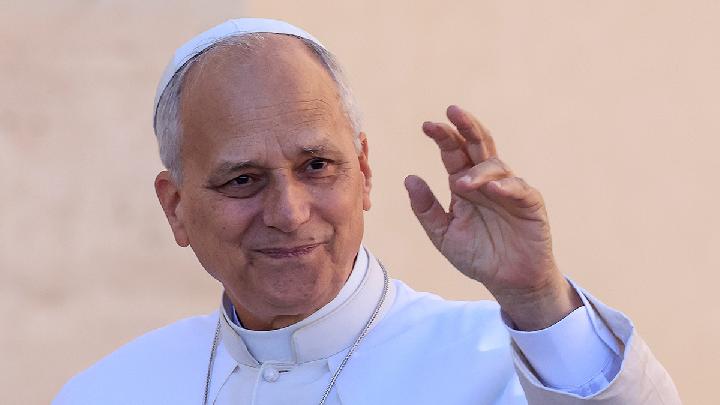
Tempatdonasi.com – In a bid to prevent a potential rupture within the global Catholic community, Pope Leo XIV issued an impassioned plea to the Society of St. Pius X (SSPX) on Tuesday, urging them to halt their planned consecration of bishops set for Wednesday. The act, if carried out, could trigger a formal schism with the Vatican, severing the group’s ties to the broader Church and placing them in a state of excommunication. The pope’s message, directed at Rev. Davide Pagliarani, the superior of the SSPX, emphasized the gravity of the situation and the need for reconciliation.
Origins of the SSPX and Its Discontent with Vatican II
The Society of St. Pius X, founded in 1970, traces its roots to a faction of Catholics who grew disillusioned with the reforms introduced during the Second Vatican Council (Vatican II) in the 1960s. These changes, which included modernizing liturgical practices and fostering ecumenical dialogue with other Christian denominations, were seen as a departure from traditional doctrines by the group’s leaders. Among them was Archbishop Marcel Lefebvre, a French cleric who became the movement’s founder and staunchest advocate for preserving pre-Vatican II customs.
The SSPX’s core beliefs revolve around a strict adherence to traditional Catholic teachings, including the use of the Latin Mass and the rejection of certain modern interpretations of church law. Their resistance to Vatican II’s reforms has led to decades of tension with the Vatican, culminating in repeated calls for a formal break from the central authority of the Catholic Church. Despite this, the group has maintained a significant following, claiming over 750 priests and nearly half a million adherents across more than 75 countries.
“I plead with you and ask you with all my heart: Please turn back!” Pope Leo XIV wrote in a letter to Rev. Davide Pagliarani, framing the upcoming consecration as a “sin of extreme gravity” and a direct challenge to the Church’s authority. The pope warned that the act would deprive the faithful of the proper reception of sacraments, disrupting their spiritual connection to the Church and creating a lasting division.
Legal Consequences of Unsanctioned Consecration
Under Catholic canon law, any consecration of bishops not approved by the Pope automatically results in excommunication for both the newly ordained bishops and their consecrators. This means they are excluded from the sacraments, rites, and the spiritual fellowship of the Catholic community. The pope’s letter highlighted this legal framework, emphasizing the irreversible consequences of proceeding with the planned ceremony without Vatican consent.
Excommunication is not merely a punitive measure but a formal declaration of spiritual separation. It underscores the Church’s commitment to maintaining doctrinal unity and the authority of the papacy. For the SSPX, however, the act of consecrating bishops is seen as a necessary step to assert their independence and preserve what they consider the true Catholic faith. This conflict has persisted for decades, with the group’s actions often viewed as both a protest and a declaration of autonomy.
A Decades-Long Divide and Past Tensions
The SSPX’s struggle with the Vatican dates back to 1988, when Archbishop Lefebvre consecrated four bishops without papal approval. This move led to immediate excommunication, marking a pivotal moment in the group’s history. The Vatican’s stance hardened over the years, with the SSPX facing ongoing scrutiny for their resistance to modernization. However, in 2009, the excommunications were lifted, allowing the group to remain within the Church’s fold, albeit in a state of continued disagreement.
Despite this partial resolution, the SSPX has not been granted full legal recognition. Their exclusion from the Vatican’s formal structures has left them in a liminal position, neither fully part of the Church nor entirely separate. This status has persisted even after Lefebvre’s death in 1991 at the age of 85, with the group continuing its efforts to reclaim traditional practices and challenge the Vatican’s evolving interpretations of doctrine.
Implications of a Potential Schism
The pope’s appeal underscores the broader implications of the SSPX’s actions. A schism would not only affect the group’s members but also set a precedent for other traditionalist factions within the Catholic Church. It could deepen the divide between conservative and progressive Catholics, raising questions about the Church’s ability to maintain unity in an era of doctrinal and cultural change.
While the SSPX has celebrated the ordination of five new priests near its seminary in Econe, Switzerland, the consecration of bishops represents a more significant step. This act could formalize their separation from the Vatican, potentially leading to the creation of a new ecclesiastical structure. The pope’s warning about the spiritual impact on the faithful highlights the urgency of the situation, as the Church seeks to prevent a split that could weaken its global influence.
The Vatican’s willingness to engage in dialogue with the SSPX is evident in Pope Leo XIV’s letter. The pontiff acknowledged the group’s concerns but stressed the importance of upholding canonical authority. This approach reflects a broader strategy of balancing tradition with reform, aiming to reconcile dissenting voices without compromising the Church’s core teachings.
As the planned consecration approaches, the situation remains tense. The SSPX’s decision could either solidify their position as a distinct Catholic community or force them to align more closely with the Vatican’s vision for the future. For now, the pope’s plea stands as a call to unity, urging the group to reconsider their path before the potential schism becomes irreversible.
Read more about the key themes of Pope Leo’s first year in office and stay updated with the latest news from Tempo.CO on Google News.