Water Breaks: The Most Controversial Issue at the World Cup
at the World Cup Water Breaks - At the Boston Stadium, the group stage clash between England and Ghana sparked immediate backlash when play was paused for a
Water Breaks: The Most Controversial Issue at the World Cup
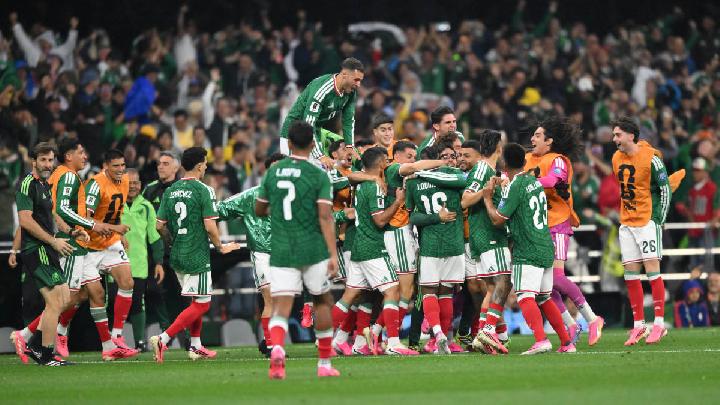
Tempatdonasi.com – At the Boston Stadium, the group stage clash between England and Ghana sparked immediate backlash when play was paused for a mandatory hydration break after 22 minutes. Fans in the stands erupted with boos, while players shuffled to the sideline and coaches gathered their teams for tactical discussions. This early disruption highlighted how the World Cup’s new rule has ignited widespread debate, with many fans questioning its necessity.
A Disruption in the Flow of the Game
Despite the intent to aid players in coping with summer heat, the hydration breaks have become a point of contention. The rule, introduced to address extreme temperatures, now appears to disrupt the natural rhythm of matches. Unlike previous tournaments or league games, where breaks were typically triggered by heat conditions, these interruptions are scheduled regardless of the weather. This has led to criticism from both fans and analysts.
“I don’t like this water break,” remarked an Iraq fan in Philadelphia. “If players need a drink, they should just do it before a corner kick.” Another supporter watching the Argentina vs. Austria match in Dallas pointed out the irony: “The air conditioning is running here, so where is the heat?”
These moments, intended to be brief, have increasingly transformed into tactical timeouts. Coaches use them to adjust formations, deliver instructions, and unsettle opponents. “On one hand, the breaks have changed the game by giving coaches more influence; on the other, they break the flow of play for the fans,” an Argentina supporter told DW. The impact on momentum is equally significant, with research suggesting a measurable shift.
Impact on Match Dynamics
A study by The Times analyzed Opta data from all group-stage matches and found that 32% of games saw a notable change in momentum after the first hydration break, while 26% experienced such a shift following the second. On average, match momentum declined by 17% after each interruption. Notably, the team with higher momentum before the break often saw a sharper drop afterward.
Players and coaches have also expressed concerns about the effectiveness of the rule. Netherlands captain Virgil van Dijk noted that these breaks are less beneficial for neutral viewers watching on TV. “While water breaks make sense in extreme heat, decisions should be made on a case-by-case basis,” he argued. Similarly, England manager Thomas Tuchel criticized the unnecessary length of the breaks, claiming they extend match duration without clear justification.
Paraguay coach Gustavo Alfaro took a more radical stance, suggesting that soccer is increasingly adopting the four-quarter structure of American sports like basketball and football. “It feels like we’re moving toward a more structured, commercialized format,” he remarked. This sentiment reflects growing frustration with the rule’s perceived impact on the game’s purity.
Financial Motivations Behind the Rule
The controversy extends beyond the field to the financial strategies of FIFA and broadcasters. In many nations, these guaranteed stoppages are strategically aligned with commercial breaks, a practice uncommon in traditional soccer. “They have to fit in their advertising; from a corporate perspective, that probably makes sense,” an American fan explained.
Interestingly, the hydration breaks even have their own sponsor, whose branding appears on the stadium’s big screen at the start of each pause. This adds a layer of commercialization to the rule, raising questions about its primary purpose. FIFA President Gianni Infantino addressed these concerns, asserting that the organization does not profit from the breaks. “We don’t earn a single extra dollar from the hydration breaks because all the contracts were already signed before they were introduced,” he told SNTV.
Infantino acknowledged the need for evaluation, stating that the World Cup’s experience would inform future decisions. “Only after careful analysis will we determine the rule’s long-term viability,” he added. This admission underscores the balance FIFA must strike between practicality and fairness.
Medical Justifications and Fan Reactions
Sports medicine experts defend the rule, emphasizing the importance of hydration during extreme heat. They cite data showing that cooling breaks can prevent heat-related injuries and improve player performance. “There is evidence that these pauses help maintain optimal conditions for athletes,” one expert stated. However, the same data has also fueled skepticism about the breaks’ frequency and duration.
While some see the rule as a necessary adaptation, others argue it prioritizes profit over play. The fact that broadcasters are leveraging these pauses for advertisements has intensified criticism. “It feels like the game is being manipulated for commercial gain,” said a fan in the U.S. This perception has divided opinions, with some supporters understanding the need for revenue streams and others viewing it as a distraction.
As the World Cup progresses, the debate over hydration breaks is likely to evolve. Fans, analysts, and players are all contributing to a growing discourse about whether the rule serves its intended purpose or has become a symbol of the tournament’s commercialization. The outcome of this discussion could shape the future of soccer, influencing how matches are structured and how fans engage with the game.