
Indonesia Sees Progress in Defense Pacts with Malaysia, Turkey: What’s Next?
Indonesia Advances Defense Agreements with Malaysia and Turkey: What's Next? Indonesia Sees Progress in Defense Pacts - Indonesia has made notable strides in
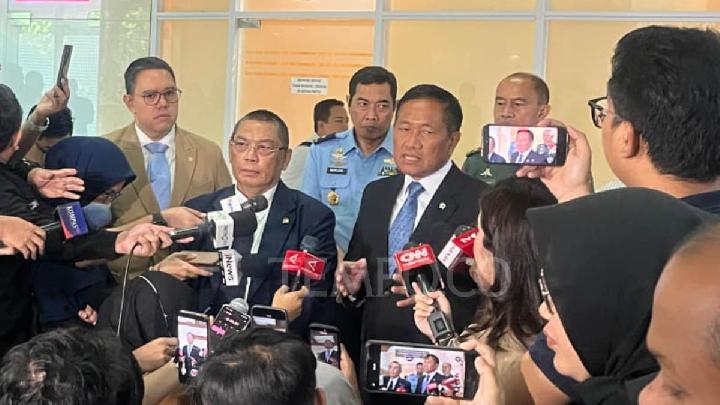
Indonesia Advances Defense Agreements with Malaysia and Turkey: What’s Next?
Tempatdonasi.com – Indonesia has made notable strides in its defense collaborations with Malaysia and Turkey, with the House of Representatives (DPR) approving key legislation this week. The ratification of draft laws governing these pacts, finalized on July 1, 2026, represents a pivotal moment in the nation’s efforts to strengthen regional security alliances. Commission I of the DPR, comprising eight political factions, unanimously endorsed the measures, signaling strong backing for the agreements. This decision sets the stage for the pacts to be formally enacted, paving the way for enhanced cooperation in military operations and strategic defense initiatives.
Legal Foundations for Defense Partnerships
The approval of these laws is seen as a critical step in creating a robust legal framework for Indonesia’s defense agreements with Malaysia and Turkey. Commission Chair Utut Adianto stressed that the endorsement ensures clarity in implementing the pacts, allowing for seamless coordination among the three nations. “With this legal backing, we can ensure the defense agreements are executed effectively,” Utut said during the meeting, which included representatives from the Ministry of Defense, the Ministry of Foreign Affairs, and the Ministry of Law. The agreements aim to formalize existing collaborations, particularly in joint exercises, intelligence sharing, and technology exchanges, which are essential for modernizing Indonesia’s defense capabilities.
“The legal foundation will enable smoother defense cooperation between Indonesia and its allies,” Utut added, emphasizing the importance of structured frameworks in achieving mutual security goals.
Strategic Benefits and Equity in Partnerships
The defense agreements with Malaysia and Turkey are designed to promote balanced and equitable partnerships, ensuring that all parties benefit from shared resources and expertise. Deputy Minister of Defense Donny Ermawan highlighted that these pacts are part of a broader strategy to align Indonesia’s national interests with those of its neighbors. “These legal frameworks will provide consistency in executing strategic defense initiatives,” Ermawan noted, underscoring the need for mutual support in addressing regional challenges like cyber threats and maritime disputes. The focus on fairness is expected to solidify long-term collaboration and foster trust among the three countries.
“We should ensure that these defense pacts offer equal opportunities for all nations involved,” Ermawan emphasized, reflecting the collaborative spirit of the agreements.
Fiscal Considerations and Political Support
While the political support for the defense pacts is strong, some DPR members raised concerns about potential financial implications. Syamsu Rizal, a Commission I member, warned that the agreements must be carefully managed to avoid overburdening Indonesia’s budget. “We shouldn’t end up investing heavily without clear returns,” Rizal cautioned, highlighting the importance of fiscal responsibility in defense collaborations. The commission emphasized the need to integrate the pacts into the country’s broader strategic and economic plans, ensuring they complement existing partnerships without creating unsustainable obligations.
“Fiscal prudence is crucial to ensure these defense agreements are both effective and affordable,” Rizal stated, calling for a balanced approach in implementation.
Regional Security and Future Opportunities
The defense agreements with Malaysia and Turkey are part of Indonesia’s strategy to bolster its regional security posture. These partnerships are expected to enhance Indonesia’s ability to tackle emerging threats, including maritime disputes and cyber vulnerabilities. By collaborating with Malaysia, a key neighbor, Indonesia aims to deepen its naval coordination, while Turkey’s involvement could bring new technological and logistical opportunities. The pacts also reflect Indonesia’s growing diplomatic engagement, as it seeks to diversify its defense relationships beyond traditional allies.
Implementation and Next Steps
With the DPR’s approval, the next phase involves presenting the legislation to the full parliamentary plenary for final ratification. This process will require negotiations with political parties to secure broader consensus, ensuring the agreements align with national priorities. Industry experts suggest that the successful implementation of these pacts could serve as a model for future defense collaborations, particularly in Southeast Asia. “Indonesia’s progress in defense pacts with Malaysia and Turkey demonstrates a clear commitment to regional stability,” said one analyst, noting the potential for similar agreements with other nations in the future.
“The successful execution of these defense pacts could open doors for Indonesia to engage more deeply with neighboring countries,” the analyst concluded.