
How Indonesians in Europe Fare Amidst Scorching Heatwave
How Indonesians in Europe Fare Amidst Scorching Heatwave Indonesian Consulates Remain Unaware of Significant Impact on Nationals How Indonesians in Europe
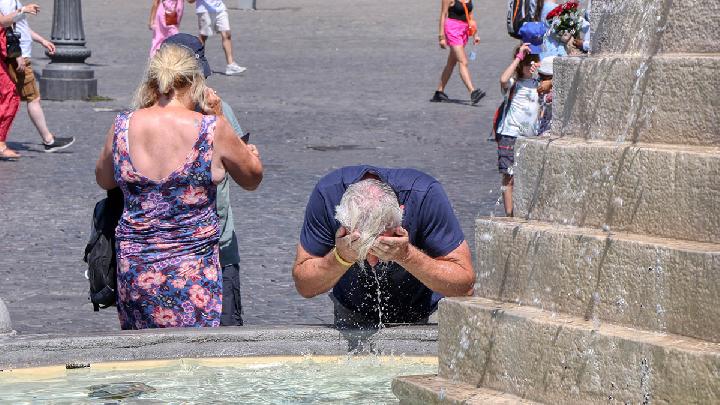
How Indonesians in Europe Fare Amidst Scorching Heatwave
Indonesian Consulates Remain Unaware of Significant Impact on Nationals
Tempatdonasi.com – As of July 1, the Indonesian Ministry of Foreign Affairs has not received any official reports indicating that Indonesian citizens in Europe have been severely affected by the intense heatwave that has gripped the continent since late June. Heni Hamidah, the head of the Indonesian Citizen Protection Division, confirmed this during a press briefing in Jakarta. “Our embassies and consulates are in constant communication with local authorities, and to date, there have been no confirmed cases of Indonesians suffering harm from the extreme temperatures,” she said, citing information from Antara, the state news agency.
Although several European nations have issued warnings about dangerously high temperatures, Heni Hamidah emphasized that the situation remains under control. “There is no indication that Indonesians in Europe are at risk, and we continue to monitor the conditions closely,” she added. The ministry’s focus is on ensuring that its nationals, whether they are residents, tourists, or workers, are well-informed and protected against the heatwave’s effects.
Despite the absence of formal reports, Indonesian representatives across Europe have taken proactive steps to advise their compatriots. These officials have circulated alerts urging individuals to take precautions, such as staying hydrated, avoiding prolonged exposure to the sun, and checking on vulnerable family members. The measures include distributing informational pamphlets and organizing virtual meetings to address concerns. “We are doing everything possible to keep our people safe,” said one diplomat, speaking on condition of anonymity. “The priority is to ensure they are aware of the risks and prepared to mitigate them.”
WHO Warns of Over 1,300 Excess Deaths Linked to Extreme Heat
On June 28, Anadolu news agency highlighted that the World Health Organization (WHO) had documented over 1,300 additional deaths in Europe during the preceding week due to the heatwave. This figure, according to WHO officials, reflects the toll of the extreme weather on public health. “The heatwave has caused a surge in mortality rates, with more than 1,300 excess deaths recorded since June 21,” stated Tedros Adhanom Ghebreyesus, the WHO director-general, in a statement released the same day.
“Heat stress is a silent killer,” Ghebreyesus warned. “Many people are unaware of the dangers it poses, especially in environments that are not adapted to such high temperatures.” He noted that the impact of the heatwave is exacerbated by the fact that urban areas and residential buildings in Europe are often not equipped to handle prolonged exposure to sweltering conditions.
The WHO has been collaborating with member states and international partners to enhance preparedness for future heat emergencies. This includes initiatives to improve early warning systems, increase access to cooling centers, and promote public health campaigns focused on heat-related illnesses. Ghebreyesus also highlighted the importance of strengthening healthcare infrastructure to respond effectively to the crisis, particularly in regions with limited resources.
Europe has experienced record-breaking temperatures in recent weeks, with some countries reporting temperatures exceeding 40°C (104°F). The heatwave has led to power outages, transportation disruptions, and widespread health advisories. While the focus has been on the broader population, the WHO has also noted that elderly individuals, those with preexisting medical conditions, and outdoor workers are especially vulnerable. “The human cost of this heatwave is staggering,” said a WHO spokesperson. “We are seeing the effects across all demographics, and the situation is evolving rapidly.”
Indonesians in Europe Take Precautions Amid Rising Temperatures
As the heatwave intensifies, Indonesian communities across Europe have begun implementing their own measures to stay cool and safe. In cities such as Paris, Berlin, and Madrid, local associations have organized community cooling events, providing free water and shaded areas for residents. “We’re making sure our people have access to resources and support,” said a representative from the Indonesian embassy in Paris. “Even though the heat is extreme, we believe our citizens are prepared to handle it.”
Many Indonesians in Europe have taken to social media to share tips for surviving the heat, emphasizing the importance of hydration and air-conditioned spaces. “We’re adapting to the situation, just like everyone else,” said one Indonesian expatriate in Rome. “But it’s reassuring to know that our government is keeping a close eye on things.”
Indonesian embassies have also issued travel advisories, urging citizens planning to visit Europe to adjust their itineraries. “If possible, avoid peak heat hours, and always carry a water bottle with you,” advised a press release from the Indonesian embassy in Brussels. The message underscores the need for vigilance, especially in countries where the heatwave has reached critical levels.
While the Ministry of Foreign Affairs has not reported any major incidents involving Indonesians, it is working in tandem with European counterparts to provide real-time updates and support. This includes coordinating with local health departments and emergency services to ensure a rapid response if needed. “Our goal is to prevent any incidents before they occur,” Heni Hamidah reiterated. “We are monitoring the situation and ready to act.”
Heatwave Unfolds as Global Warming Intensifies
The current heatwave is part of a broader pattern of extreme weather events linked to climate change. Scientists have warned that such conditions are becoming more frequent and severe due to rising global temperatures. “This is not an isolated incident,” said Dr. Rizal, a climate researcher at the Indonesian Institute of Sciences. “The heatwave is a direct result of long-term environmental shifts, and we are seeing more of these events as the planet warms.”
Europe’s heatwave has drawn comparisons to historical records, with some regions experiencing temperatures rivaling those of past summers. In Spain, for example, the heatwave has been described as the second-hottest June in the country’s history. The event has led to a surge in heat-related hospitalizations and a call for improved infrastructure to combat the effects of climate change. “We need to invest in climate resilience,” said a Spanish climate expert. “The current crisis is a warning for what’s to come.”
Indonesian officials have used the situation to highlight the importance of climate adaptation strategies. “While our people are safe in Europe, this heatwave serves as a reminder of the challenges we face globally,” Heni Hamidah noted. “We are working to ensure that our embassies are equipped to respond to any climate-related emergencies, not just in Europe but around the world.”
As the heatwave continues, the Indonesian government has also emphasized the need for international cooperation in addressing climate change. “Europe’s experience is a lesson for all nations,” said a statement from the Ministry of Foreign Affairs. “We must come together to mitigate the effects of rising temperatures and protect vulnerable populations.”
Read: Spain Heat Wave Kills Over 1,000 in Second-Hottest June Ever Click here to get the latest news updates from Tempo on Google News.