Belarus Welcomes Indonesia’s Embassy, Direct Flight Plans
Belarus Welcomes Indonesia's Embassy, Direct Flight Plans Belarus Welcomes Indonesia s Embassy Direct - In a significant diplomatic move, the President of
Belarus Welcomes Indonesia’s Embassy, Direct Flight Plans
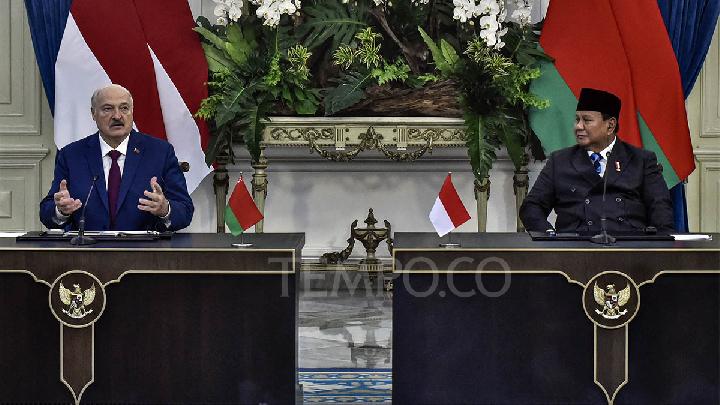
Tempatdonasi.com – In a significant diplomatic move, the President of Belarus, Alexander Lukashenko, expressed enthusiasm for Indonesia’s proposal to establish an embassy in the country and initiate direct flight services. This development was highlighted during a meeting between Lukashenko and Indonesia’s President Prabowo Subianto, which took place in Jakarta on Thursday, July 2, 2026. The two leaders convened to strengthen bilateral ties, with Lukashenko publicly acknowledging Prabowo’s initiative to expand Indonesia’s diplomatic presence in Belarus.
Embassy and Diplomatic Relations
Currently, Indonesia’s representative in Belarus operates jointly with Russia, as its Embassy in Moscow serves as the hub for both diplomatic missions. This arrangement has been in place for several years, reflecting the shared strategic interests between the two nations. However, Lukashenko emphasized that the proposed embassy in Belarus would mark a pivotal shift in their relationship, allowing for more direct engagement and fostering closer ties between the populations.
“I am deeply grateful to President Prabowo for the plan to open an Indonesian embassy in Belarus,” Lukashenko stated during a joint press conference at the Merdeka Palace following the summit. The event, held in the heart of Jakarta, drew media attention and underscored the growing importance of the Indonesia-Belarus partnership.
The Belarusian leader also praised Prabowo’s commitment to creating a direct flight route between the two countries. Such connectivity is expected to ease travel for citizens and promote cultural and economic exchanges. “The people of Belarus are increasingly interested in visiting Indonesia, and this will be a step toward making that journey more accessible,” Lukashenko added, highlighting the potential for tourism to thrive.
Visa Waivers and Economic Goals
Lukashenko elaborated on the significance of tourism in Belarus’ foreign policy, noting that his government has prioritized this sector as a key driver of economic growth. He suggested that discussions on visa waivers could be a priority in future negotiations, aiming to streamline travel for Indonesian and Belarusian citizens. “We hope to create a seamless experience for our people, enabling them to explore each other’s cultures and economies with greater ease,” he said.
Prabowo, in turn, expressed satisfaction with Lukashenko’s visit to Jakarta. “This visit has reinforced our shared vision for a stronger Indonesia-Belarus collaboration, and I am confident it will lead to new opportunities in trade, investment, and people-to-people connections,” Prabowo remarked. The two leaders emphasized that their partnership extends beyond immediate economic interests, aiming to build a foundation for long-term cooperation.
Logistics and Symbolism of the Visit
During his stay in Jakarta, Lukashenko arrived in the capital on Wednesday, July 1, 2026, at Halim Perdanakusuma Air Base. The visit began with a formal welcome by Indonesia’s Defense Minister, Sjafrie Sjamsoeddin, who greeted the Belarusian president at the military base. Later that evening, Lukashenko was hosted at the State Palace, a gesture that symbolized the high level of respect and diplomatic importance attached to his visit.
“The Indonesian government honored President Lukashenko’s request to stay at the State Palace as a mark of appreciation for his leadership and contributions to bilateral relations,” explained Foreign Minister Sugiono. This decision was notable, as most heads of state typically opt for hotel accommodations during state visits. Sugiono noted that Lukashenko’s preference for the Palace reflected the depth of the partnership and the significance of the moment.
Both leaders acknowledged the mutual benefits of this collaboration. Lukashenko described Indonesia as not only a valuable economic partner but also a “unique destination for travelers,” emphasizing the country’s natural beauty, cultural richness, and vibrant cities. “We are eager to see Belarusians experience Indonesia’s charm and contribute to its development,” he said, underscoring the reciprocal nature of the relationship.
Prabowo, meanwhile, outlined Indonesia’s goals for the partnership, including the expansion of trade agreements and the facilitation of cultural exchange programs. “This visit is a testament to our shared aspirations and the potential for Indonesia to become a more prominent player in regional and global diplomacy,” he noted. The two nations are also exploring ways to enhance their joint efforts in agriculture, technology, and environmental sustainability.
Historical Context and Future Prospects
Belarus and Indonesia have maintained diplomatic ties since the early 2000s, but recent developments indicate a renewed focus on strengthening their partnership. The establishment of an embassy in Belarus would represent a major milestone, allowing Indonesia to have a dedicated diplomatic mission and increasing its visibility in the region. This move is part of a broader strategy to diversify diplomatic networks and reduce reliance on traditional partners.
Lukashenko’s visit to Jakarta also marked a significant event in the context of Belarus’s international relations. As a leader who has governed the country since 1994, he has consistently sought to bolster ties with emerging economies, recognizing their strategic value in a rapidly changing global landscape. Indonesia, with its growing economic influence in Southeast Asia, has become an important ally for Belarus in recent years.
Experts have pointed out that the direct flight plan could have far-reaching implications for both countries. For Indonesia, it would provide easier access to the European market, while for Belarus, it would open new avenues for tourism and cultural exchange. “The launch of direct flights is more than just a logistical step—it’s a symbol of our commitment to building a more integrated relationship,” Lukashenko said.
Collaborative Vision and Regional Impact
Looking ahead, both leaders have expressed optimism about the future of Indonesia-Belarus cooperation. Lukashenko highlighted the need to explore visa-free travel options, which would allow citizens to visit each other’s countries without bureaucratic hurdles. “This will not only benefit travelers but also encourage more frequent interactions between our nations,” he stated.
Prabowo, in his remarks, reiterated the importance of such initiatives in fostering mutual understanding and trust. “We are working closely to ensure that this partnership delivers tangible results for both peoples,” he said. The two countries also discussed the potential for joint investments in infrastructure and renewable energy projects, aiming to align their economic strategies.
The visit to Jakarta was not only a diplomatic event but also a demonstration of the shared interests between Belarus and Indonesia. By prioritizing direct flights and an embassy, both nations are signaling their intent to deepen economic, cultural, and political ties. “This is the beginning of a new chapter in our relationship,” Lukashenko concluded, “one that will bring us closer and create lasting benefits for future generations.”
As the partnership moves forward, the significance of the events in July 2026 cannot be overstated. The establishment of the embassy and the direct flight route are expected to serve as catalysts for increased trade, tourism, and people-to-people connections. With both leaders committed to expanding their collaboration, the future of Indonesia-Belarus relations appears promising. Readers can stay updated on the latest developments by following Tempo’s coverage on Google News.
For further insights into Prabowo’s plans for reciprocal state visits and the evolving dynamics of the Indonesia-Belarus alliance, readers are encouraged to explore additional reports from Tempo. The upcoming steps in this partnership will undoubtedly shape the trajectory of both nations in the years to come.