Ukraine Strikes Oil Terminals Near St. Petersburg in Russia
Petersburg in Russia Ukraine Strikes Oil Terminals Near St Petersburg - In a recent escalation of the conflict, Ukrainian forces launched drone strikes
Ukraine Strikes Oil Terminals Near St. Petersburg in Russia
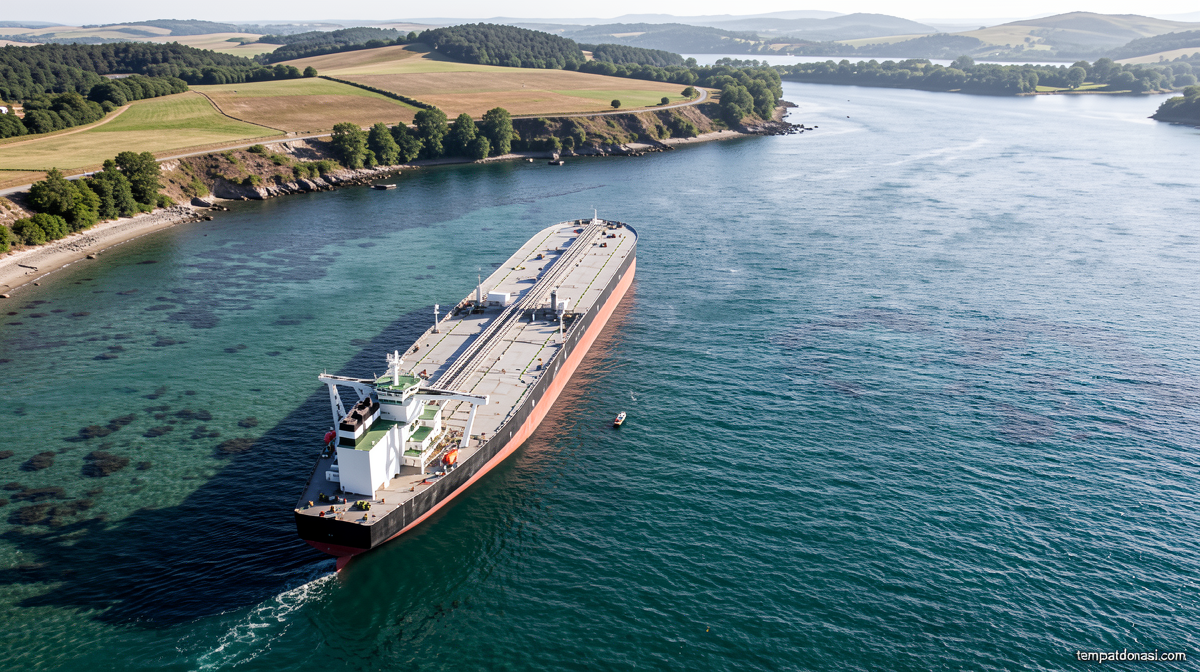
Tempatdonasi.com – In a recent escalation of the conflict, Ukrainian forces launched drone strikes against Russian oil facilities located near St. Petersburg, a city on the Baltic Sea, according to local authorities. The attack, which occurred on Saturday, was confirmed by the city’s governor, Alexander Beglov, who described it as a “large-scale” operation. While the assault targeted critical infrastructure, there were no reported casualties, as per the governor’s statement.
Strategic Impact of Drone Attacks
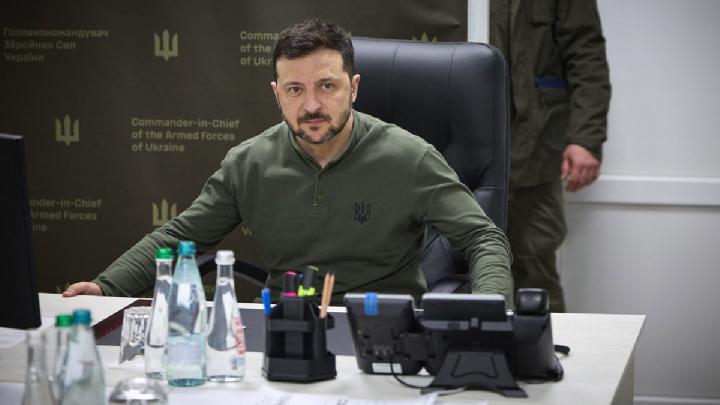
President Volodymyr Zelenskyy of Ukraine endorsed the strikes, emphasizing their aim to disrupt Russia’s energy income. “Ukraine’s defense forces struck port oil infrastructure that generates revenue for Russia’s war, and also hit Kronstadt, an important military target more than 850 km from Ukraine’s state border,” he posted on social media. The attack was strategically timed, occurring just days after Ukraine had targeted St. Petersburg during an annual economic summit. At the time, Russian President Vladimir Putin was addressing attendees, making the city a symbolic and practical target.
The governor of the Leningrad region, which surrounds St. Petersburg, Alexander Drozdenko, provided further details. He stated that drones had also struck the port of Vysotsk, situated approximately 170 km northwest of the city in the Gulf of Finland. This port serves as a hub for oil, grain, coal, and liquefied natural gas, underscoring its economic significance. Drozdenko noted that 72 drones were successfully intercepted over the region, though some managed to reach their objectives. The Russian Defense Ministry confirmed that 389 Ukrainian combat drones had been shot down overnight, indicating a coordinated effort to neutralize the threat.
Finland’s public broadcaster, Yle, reported that the country had imposed temporary aviation and maritime restrictions in the eastern Gulf of Finland. These measures were taken in response to the drone attacks, which demonstrated the growing reach of Ukraine’s military operations beyond the front lines. The restrictions aimed to safeguard civilian vessels and aircraft from potential strikes, highlighting the regional ripple effects of the conflict.
Russia Claims Control Over Kostiantynivka in Eastern Ukraine
Meanwhile, Russian forces have reportedly taken control of Kostiantynivka, a city in eastern Ukraine and a key strategic location in the Donetsk region. This development marks a significant advance, as the city is described as a crucial transport and industrial hub. Russian President Vladimir Putin acknowledged the move, calling it a “strategic achievement.” “We all know that this city is a key transport and large industrial centre of Donbas,” he said in a statement.
Valery Gerasimov, the Chief of the General Staff of the Russian Armed Forces, added that the capture of Kostiantynivka was part of a broader campaign to secure the entire Donetsk region. The city’s strategic position, near the front lines, makes it a vital asset for both sides. Its control would allow Russia to consolidate its hold on critical supply routes and industrial capacity, potentially altering the dynamics of the war.
Despite the Russian claim, Ukraine has not yet publicly commented on the situation. This silence may reflect ongoing assessments of the city’s status or a deliberate strategy to focus on other fronts. The capture of Kostiantynivka could be a turning point, especially as it aligns with Moscow’s efforts to gain territorial advantages in the east. Analysts suggest that the city’s industrial infrastructure and logistical importance make it a valuable asset for Russia’s war economy.
The recent attacks and territorial gains highlight the evolving tactics in the conflict. Ukraine’s use of drones has shifted from targeting military installations to striking economic infrastructure, aiming to weaken Russia’s financial capabilities. By disrupting oil terminals and grain ports, the attacks may reduce the resources available to fund the war effort, while also sending a message to international allies. Russia, on the other hand, is leveraging territorial advances to solidify its presence in contested areas, potentially drawing more support from allies like Belarus and China.
Broader Implications for the War Effort
Experts are analyzing the long-term implications of these actions. The strikes near St. Petersburg could impact Russia’s energy exports, which are a major source of revenue. By targeting these facilities, Ukraine is not only inflicting physical damage but also aiming to undermine Moscow’s economic stability. This strategy complements other efforts, such as the siege of Kharkiv and the battle for Bakhmut, which have focused on military and logistical gains.
Meanwhile, the capture of Kostiantynivka may influence the outcome of the war in the Donetsk region. The city’s position between the front lines and the industrial heartlands of Russia could serve as a logistical base for further operations. Its control might also bolster Russia’s ability to project power into the region, potentially leading to more strategic initiatives in the coming months.
As the conflict continues to evolve, both sides are adapting their strategies to maximize impact. The use of drones to strike oil terminals demonstrates Ukraine’s growing capability to conduct precision attacks. At the same time, Russia’s territorial advances reflect its determination to secure key positions. These developments are likely to shape the course of the war, with significant consequences for the region’s economy and the global energy market.
International reactions to these events are also being closely watched. The United States and European allies may reassess their support for Ukraine, particularly if the attacks threaten energy supplies to Europe. Conversely, Russia’s control over Kostiantynivka could strengthen its position in negotiations, as it now holds a strategic foothold in eastern Ukraine. The situation underscores the complexity of the war, where military, economic, and political factors are intricately linked.
In conclusion, the drone strikes near St. Petersburg and the capture of Kostiantynivka represent pivotal moments in the ongoing conflict. These actions not only highlight the shifting strategies of both nations but also emphasize the high stakes involved. As the war continues, the balance of power may shift further, with implications that extend far beyond the borders of Ukraine and Russia.