Hajj Pilgrim Deaths Remain High in Indonesia: What’s Next?
Hajj Pilgrim Deaths Remain High in Indonesia: What's Next? Hajj Pilgrim Deaths Remain High in Indonesia - Indonesia’s Ministry of Hajj and Umrah has announced
Hajj Pilgrim Deaths Remain High in Indonesia: What’s Next?
Tempatdonasi.com – Indonesia’s Ministry of Hajj and Umrah has announced plans to conduct a detailed review of the 2026 Hajj season, with reducing fatalities and enhancing services ranked among its primary goals for the upcoming year. The evaluation meeting, held at the Hajj Dormitory complex in Jakarta on July 4, saw Minister Mochamad Irfan emphasize the importance of addressing lingering challenges to ensure a safer and more efficient pilgrimage experience. Despite notable progress in lowering the mortality rate, the minister acknowledged that the number of deaths still exceeds expectations, prompting a commitment to further improvements.
Progress in Reducing Fatalities
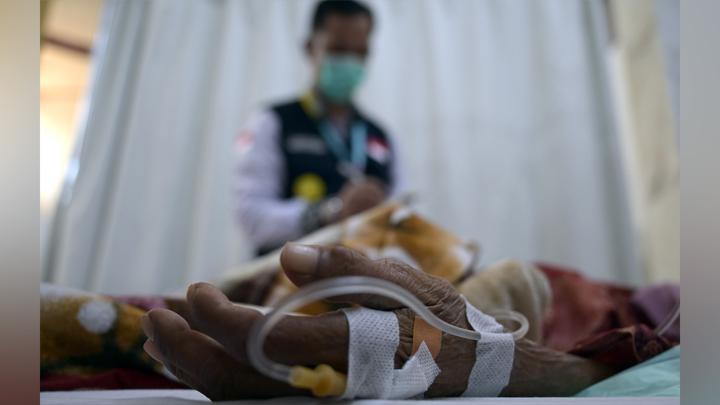
Speaking at the meeting, Irfan highlighted that this year’s Hajj operations achieved a significant 25 percent drop in the death rate compared to the previous year. This reduction, he noted, reflects the effectiveness of measures implemented to improve safety and streamline logistics for Indonesian pilgrims. However, the minister also stressed that the remaining fatalities are still a cause for concern, with over 350 deaths reported during the 2026 Hajj, a figure he described as “still significant.”
“We were able to reduce the mortality rate by about 25 percent, but it is still too high. The death toll of more than 350 is still significant,” Irfan stated, citing data from the Ministry of Hajj’s YouTube channel.
The minister attributed the improvement to a combination of proactive planning and adjustments made during the pilgrimage. He emphasized that the focus now shifts to maintaining this momentum and addressing the root causes of the high death toll. Key areas of attention include expanding medical infrastructure and managing the flow of pilgrims in crowded zones like Mina, which has historically been a focal point for operational difficulties.
Healthcare Enhancements and Crowd Management
To tackle the issue of pilgrim deaths, Irfan outlined plans to bolster healthcare services during the 2027 Hajj. This involves deploying more medical teams, upgrading facilities, and ensuring rapid response systems are in place. Additionally, the ministry aims to resolve the persistent problem of overcrowding in Mina, a site critical for the ritual of stoning the devil. Irfan described Mina as a “weak point” in last year’s operations, underscoring the need for strategic changes to prevent future bottlenecks.
“Mina became one of the weak points in last year’s services,” Irfan added, highlighting the importance of learning from past experiences.
The minister also proposed revising the post-Hajj evaluation process to prioritize actionable improvements. Rather than merely documenting shortcomings, he advocated for a transparent review that identifies specific errors and fosters accountability. “We reveal the mistakes, reveal the shortcomings with the aim of improvement, not to blame each other,” he said, urging officials to collaborate and share insights to refine future operations.
2026 Hajj: A Landmark Operation
Despite the challenges, Irfan expressed confidence in the overall success of the 2026 Hajj. He described it as one of Indonesia’s most well-executed pilgrimage events, citing public and international recognition of its effectiveness. The minister credited eight key innovations introduced this year for the improved outcomes, including the introduction of provincial Hajj quotas, cost reductions, and the implementation of the Nusuk digital card system, which helps track pilgrims’ movements in real time.
The 2026 Hajj began on April 21, with the main rituals concluding on May 26. Pilgrims returned to Indonesia in waves, with the final departures occurring on June 30 and July 1. This structured approach minimized congestion and allowed for better coordination of services. Irfan noted that the success of the operation has already been acknowledged by the public, positioning it as a benchmark for future events.
Cost Concerns for 2027 Pilgrimage
During the same meeting, Marwan Dasopang, chair of the House of Representatives’ Commission VIII, raised concerns about potential cost increases for the 2027 Hajj. He warned that rising taxes and commodity prices in Saudi Arabia could drive up the expenses associated with organizing the pilgrimage. However, both the Commission and the Ministry of Hajj and Umrah are exploring ways to mitigate these financial pressures.
“The cost of organizing Indonesia’s Hajj pilgrimage could increase next year due to higher taxes and rising commodity prices in Saudi Arabia,” Dasopang said.
Dasopang suggested that identifying cost-effective alternatives, such as optimizing flight routes or negotiating better rates with service providers, could help keep expenses manageable for pilgrims. He also called for a collaborative effort between government agencies and private stakeholders to ensure transparency in budgeting and resource allocation. “For example, flight costs,” he noted, as a potential area for savings.
The minister and the commission are working together to balance affordability with quality service, ensuring that financial burdens on pilgrims do not compromise the safety and efficiency of the Hajj. This partnership is seen as crucial for addressing the multifaceted challenges of the pilgrimage, from logistical hurdles to economic considerations.
Looking Ahead: A Strategic Approach
As the 2026 Hajj season draws to a close, the focus turns to the lessons learned and the strategies for improvement. Irfan stressed that the evaluation process should not only assess past performance but also set the foundation for a more resilient 2027 Hajj. He called for a data-driven approach, leveraging insights from the current year to tailor solutions for future events.
The ministry’s eight innovations, such as the digital card system and cost-cutting measures, are now being scrutinized for their long-term viability. Irfan acknowledged that while these initiatives contributed to the success of this year’s Hajj, continuous refinement is necessary to address evolving needs. The goal is to create a more adaptive framework that responds to the complexities of the pilgrimage, from health emergencies to environmental factors.
With the 2026 Hajj officially concluded, the Indonesian government is preparing for the next phase. The 221,000 pilgrim quota allocated for this year will serve as a reference point for future planning. Irfan and Dasopang are working to align their efforts, ensuring that the 2027 Hajj not only maintains the progress made but also sets a new standard for safety, efficiency, and accessibility. Their combined vision aims to make the pilgrimage a more inclusive and secure experience for all participants.
As the nation prepares for the upcoming season, the emphasis on transparency, innovation, and collaboration will be critical. The challenge of reducing deaths and managing costs is being tackled with a comprehensive strategy, reflecting Indonesia’s commitment to excellence in Hajj operations. Pilgrims and stakeholders alike are now looking forward to the implementation of these measures, hopeful for a safer and more cost-effective pilgrimage experience in the years to come.