
Indonesia and Singapore Sign 26 Deals Today: What Are They?
Indonesia and Singapore Sign 26 Deals Today: What Are They? Indonesia and Singapore Sign 26 Deals - On Monday, July 6, 2026, Indonesia and Singapore took a
Indonesia and Singapore Sign 26 Deals Today: What Are They?
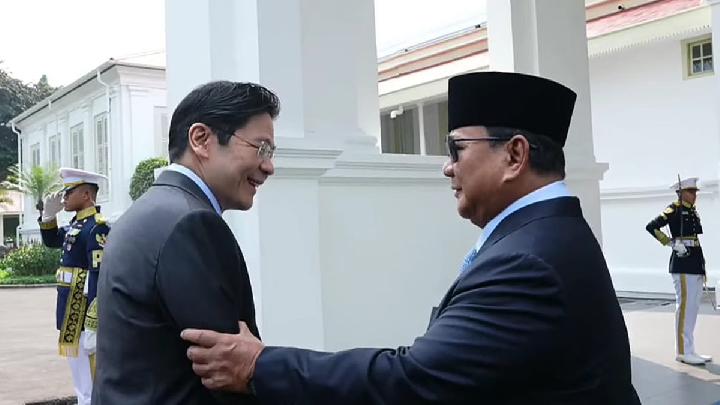
Tempatdonasi.com – On Monday, July 6, 2026, Indonesia and Singapore took a significant step forward in their economic collaboration during the Indonesia-Singapore Leaders’ Retreat. President Prabowo Subianto highlighted the outcome of the summit, revealing that 26 concrete agreements were reached, covering both government-to-government and business-to-business initiatives. These agreements mark a pivotal moment in the two nations’ relationship, underscoring their commitment to deepening integration and mutual growth across multiple sectors.
The joint statement issued by Prabowo and Singaporean Prime Minister Lawrence Wong emphasized the importance of these deals in strengthening bilateral ties. “This meeting resulted in 26 concrete, tangible achievements in various sectors, 18 government-to-government cooperation agreements and eight business-to-business (B2B) agreements,” Prabowo stated, underscoring the collaborative spirit between the two countries.
“This meeting resulted in 26 concrete, tangible achievements in various sectors, 18 government-to-government cooperation agreements and eight business-to-business (B2B) agreements,” said President Prabowo in an official joint statement with Singaporean PM Lawrence Wong at the Merdeka Palace, Jakarta, Monday, July 6, 2026.
The agreements were framed as a testament to the evolving partnership between Indonesia and Singapore. Prabowo noted that the economic sector remains a cornerstone of their bilateral relations, with new initiatives expected to enhance trade flows and investment opportunities. The focus on regional connectivity and commodity trade was particularly highlighted, as both nations aim to solidify their roles in Southeast Asia’s economic landscape.
Among the key deals, a notable collaboration involves cross-border electricity trade. Indonesia has entrusted the sovereign wealth fund Danantara with overseeing the implementation of this agreement, which is designed to facilitate energy exchange between the two countries. “Indonesia has appointed BPI Danantara to implement cross-border electricity trade cooperation, as well as for trade activities and beyond,” Prabowo explained, emphasizing the strategic importance of energy partnerships.
While the electricity trade deal is a major highlight, the agreements also span other critical areas. These include initiatives to accelerate the digital economy, which will likely involve joint ventures in technology and e-commerce. Additionally, the summit addressed defense and cybersecurity cooperation, aiming to bolster both nations’ capabilities in securing digital infrastructure and enhancing military collaboration. The food supply chain resilience agreement is another priority, focusing on ensuring stable and sustainable agricultural exports between the two countries.
Prabowo stressed that the success of these agreements hinges on strengthened people-to-people connections. “The implementation of dozens of commercial and government agreements requires fundamental support from enhanced people-to-people connectivity,” he remarked. This sentiment reflects the belief that cultural exchanges and grassroots engagement are essential for sustaining long-term partnerships.
The summit also laid the groundwork for future collaborations in tourism, sustainable education, and youth organizations. By fostering these ties, both nations aim to create lasting benefits for their citizens. For instance, tourism initiatives could lead to increased visitor numbers and shared cultural experiences, while sustainable education programs might focus on joint research and training opportunities. Youth organizations, too, are set to play a vital role in shaping the next generation of leaders and innovators.
Indonesia and Singapore’s 26 agreements are expected to have a ripple effect across Southeast Asia. The focus on regional connectivity, for example, could pave the way for more integrated infrastructure projects, such as transportation networks and digital platforms that bridge economic gaps. Commodity trade agreements may also help stabilize markets, particularly as global supply chains face uncertainties. Meanwhile, the emphasis on cybersecurity and defense cooperation signals a growing alignment in addressing regional security challenges.
The digital economy acceleration agreement stands out as a forward-looking initiative. With both countries investing heavily in tech innovation, the collaboration could lead to shared expertise in areas like artificial intelligence, fintech, and data management. This partnership is seen as a way to position Indonesia and Singapore as leaders in the digital transformation of the region.
Food supply chain resilience is another strategic area. As climate change and global pandemics disrupt agricultural production, the agreement aims to create a robust framework for trade and logistics. This could involve joint ventures in agribusiness, technology-driven farming solutions, and shared storage facilities to ensure food security during crises.
Prabowo’s comments on the importance of people-to-people ties highlight the human element behind the economic deals. Strengthening cultural and educational exchanges is believed to foster trust and understanding, which are crucial for sustained cooperation. This approach aligns with broader regional goals of building a cohesive ASEAN community through mutual interests and shared challenges.
The leaders’ retreat was held at the Merdeka Palace in Jakarta, a venue symbolizing Indonesia’s commitment to bilateral relations. The event brought together policymakers, business representatives, and experts to discuss practical steps for implementation. With Singapore’s strategic location and Indonesia’s natural resources, the collaboration is poised to yield tangible economic and social benefits.
As both nations move forward, the agreements are expected to be a catalyst for new projects and partnerships. The focus on sustainability and innovation suggests a shared vision of progress that balances economic growth with environmental and social responsibility. This alignment could serve as a model for other regional partnerships, demonstrating the power of cooperation in overcoming challenges and seizing opportunities.
Read: Prabowo Welcomes Singapore PM Lawrence Wong at Jakarta Palace for more insights on the summit’s highlights and implications for future collaborations.