No Such Thing as a Traffic-Free Jakarta
ch Thing as a Traffic-Free Jakarta No Such Thing as a Traffic - As Jakarta prepares for its 500th anniversary in 2027, the city’s challenges persist, with
No Such Thing as a Traffic-Free Jakarta
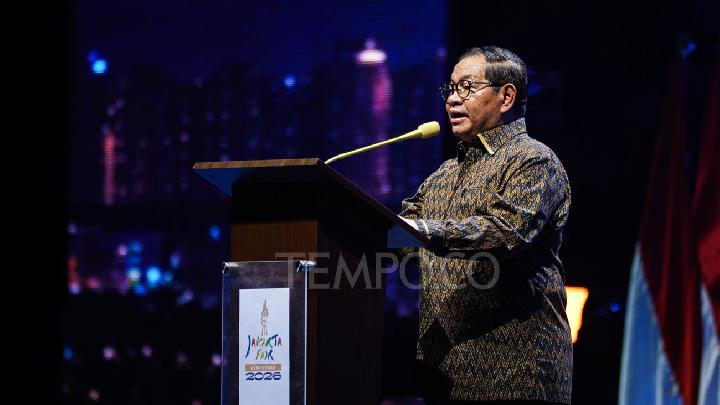
Tempatdonasi.com – As Jakarta prepares for its 500th anniversary in 2027, the city’s challenges persist, with traffic congestion remaining a pressing issue. Pramono Anung Wibowo, the governor who has been in office for nearly 18 months, has maintained a low profile since taking charge. Unlike his predecessors, he rarely engages in spontaneous interviews, preferring to let his spokesperson, Cyril Raoul Hakim—better known as Chico Hakim—handle media interactions. This approach was evident during a recent exclusive interview with Tempo journalists, where the governor allocated just 30 minutes of his time to address the city’s growing concerns.
Behind-the-Scenes Leadership
“I’ve spent most of my career working in the background,” Pramono remarked during the session, which extended beyond the scheduled time. His comments, delivered to journalists Dede Leni Mardianti, Cheta Nilawaty, Yosea Arga, Friski Riana, and Stefanus Pramono, as well as photographer Tony Hartawan, underscored his preference for quiet, efficient governance. While the interview lasted close to 40 minutes, the governor’s focus remained on tangible outcomes rather than media attention.
“What matters is getting the job done,” he said, emphasizing his belief in consistent, hands-on leadership over fleeting public appearances.
Combating Traffic: A Strategic Shift
Jakarta’s traffic problems have long been a source of frustration for residents, and Pramono acknowledged the complexity of the issue. “We’re not aiming for a complete solution overnight,” he explained, highlighting the need for a multi-pronged approach. His strategy involves encouraging private vehicle users to transition to public transport, a goal he believes can be achieved through infrastructure upgrades and incentives. One key initiative is the launch of the Transjabodetabek service, which seeks to connect the capital with nearby urban centers, reducing the number of cars on the road and easing bottlenecks.
Transjabodetabek, a regional transit network, represents a significant step in Pramono’s plan. By integrating bus and train routes across Jakarta and its surrounding areas, he hopes to create a seamless system that encourages mass transit use. “This isn’t just about building more roads—it’s about rethinking how people move through the city,” he stated. The project, he added, is part of a broader effort to make Jakarta more sustainable, with environmental goals tied to its transportation reforms.
Financial Constraints and Priorities
Despite his focus on mobility, Pramono also addressed Jakarta’s financial hurdles. The provincial government faces a Rp15 trillion budget reduction this year, which has forced difficult trade-offs. “We’ve had to prioritize projects that deliver immediate benefits,” he noted, citing the need to balance short-term needs with long-term investments. The governor revealed that the budget cut has led to the postponement of several infrastructure projects, including expansions to public transport and urban green spaces.
However, he stressed that the Transjabodetabek service would still proceed, albeit with adjusted timelines. “Every cent counts, but we’re committed to this vision,” he said, emphasizing the government’s resolve to tackle the city’s traffic crisis. The budget constraints, he argued, are not a barrier to progress but a test of administrative efficiency. “We’re learning to work smarter, not harder,” he added, reflecting on the challenges of managing resources in a densely populated metropolis.
Looking Ahead: Presidential Ambitions
When asked about his potential run for the 2029 presidential election, Pramono remained noncommittal. “I’m focused on the immediate challenges right now,” he said, avoiding direct answers. While he did not rule out future political aspirations, he made it clear that his current priorities lie with implementing policies that improve daily life for Jakarta’s citizens. “If the people see results, they’ll decide my next move,” he concluded, leaving room for speculation about his future plans.
His response highlights a common theme in his governance: putting the city’s needs first. Pramono’s leadership style, characterized by measured communication and long-term planning, has been met with mixed reactions from the public and political analysts. Some view his approach as prudent, while others argue that greater visibility could bolster his campaign for broader reforms. Regardless, his strategy to reduce traffic and manage financial constraints has become a focal point in the ongoing discourse about Jakarta’s development.
Challenges and Opportunities
The governor’s vision for a less congested Jakarta faces its own set of obstacles. Critics point to the city’s sprawling geography and population growth as factors that may hinder progress. “We’re not just fighting traffic—we’re fighting inertia,” Pramono admitted, acknowledging the difficulty of changing entrenched habits. He cited the need for public education campaigns to promote the use of public transport and the importance of private sector partnerships in funding large-scale projects.
Yet, Pramono remains optimistic. “Every solution has its own roadblocks, but we’re making steady progress,” he said. The Transjabodetabek, he noted, is still in its early stages but has already drawn support from local communities. “People are starting to see the value in moving together,” he remarked, hinting at a growing acceptance of his initiatives. For the governor, the key to success lies in maintaining momentum and ensuring that every policy aligns with Jakarta’s long-term objectives.
As the city gears up for its 500th anniversary, the stakes have never been higher. Pramono’s ability to navigate both traffic and financial challenges will determine his legacy as a leader. His measured approach, while sometimes seen as cautious, reflects a deep understanding of the city’s dynamics. “Jakarta is a living entity, and we need to adapt as it evolves,” he said, leaving the impression that his leadership is as much about patience as it is about progress.
Conclusion: A City on the Move
While the road to a traffic-free Jakarta is long, Pramono’s strategies offer a blueprint for gradual improvement. His emphasis on public transportation and fiscal responsibility signals a shift in the city’s development priorities. “This is a marathon, not a sprint,” he said, underscoring the need for sustained effort. As the governor continues to delegate media duties to Chico Hakim, the public will have to wait for updates on how these plans unfold. For now, the focus remains on steady, incremental change—a vision that, if successful, could redefine Jakarta’s future.