Indonesian Police Probe Rp5 Trillion Coal Corruption Case Linked to Blackouts
Indonesian Police Probe Rp5 Trillion Coal Corruption Case Linked to Blackouts Indonesian Police Probe Rp5 Trillion Coal - Indonesian law enforcement agencies
Indonesian Police Probe Rp5 Trillion Coal Corruption Case Linked to Blackouts
Tempatdonasi.com – Indonesian law enforcement agencies have launched an investigation into a major coal procurement scandal involving alleged corruption and money laundering, with potential economic losses exceeding Rp5 trillion. The focus of the inquiry is on the supply chain for coal used in steam power plants (PLTU) during the years 2018 to 2026. This case has raised concerns about how irregularities in the procurement process may have contributed to widespread power outages across the country, disrupting daily life and industrial operations.
Director of Enforcement Highlights Financial and Economic Impact
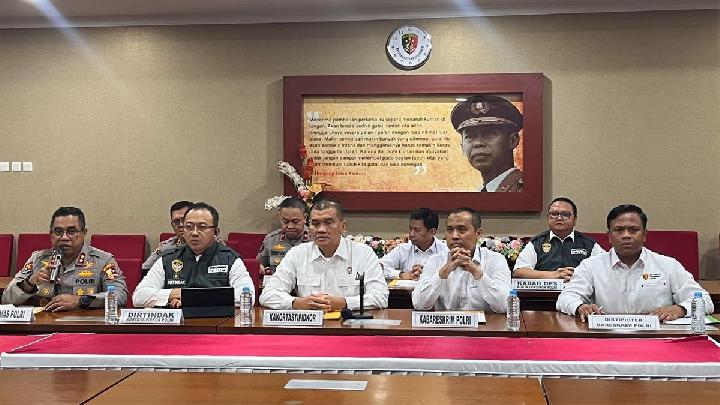
Brigadier General Robertus Yohanes De Deo, head of the Corruption Eradication Task Force (Kortastipidkor) under the Indonesian National Police (Polri), emphasized the severity of the alleged misconduct. According to De Deo, the corruption schemes are suspected to have caused blackouts in multiple regions, resulting in significant financial and economic losses. These losses, estimated at around Rp5 trillion, stem from the mismanagement of coal supplies and the subsequent effects on energy production.
“The actions taken in this case, combined with the economic losses from blackouts, indicate that state funds and the national economy have suffered approximately Rp5 trillion in damage,” stated De Deo.
The investigation, which is still in its early stages, involves collaboration between Kortastipidkor Polri and the Supreme Audit Institution (BPK) to assess the full extent of the financial discrepancies. Through investigative audits, the team is working to quantify the losses and determine the precise impact of the alleged misconduct. As of now, the case has been elevated to the formal investigation phase following the collection of evidence, including documents, witness statements, and initial analyses.
Irregularities in Coal Procurement and Supply
Initial findings suggest that the corruption case centers on two key companies, PT OBP and PT BRA, which are believed to have played a role in the procurement and supply of coal for PLTU. Investigators have identified three major deviations in the process, which could have led to inflated costs and substandard coal deliveries. These include alleged falsification of quality documentation, manipulation of quantities reported in coal shipments, and discrepancies in contract values that may have favored private interests over public needs.
De Deo explained that these irregularities disrupted the steady supply of coal to power plants, exacerbating energy shortages and triggering blackouts. The affected areas, he noted, span across Sumatra, parts of Kalimantan, Central Java, East Java, and regions in the Jakarta-Bogor-Depok-Tangerang-Bekasi (Jabodetabek) corridor. The frequency and scale of these outages have raised questions about the efficiency of the country’s energy infrastructure and the role of corruption in undermining it.
Legal Framework and Investigation Scope
The case is being handled under a combination of legal provisions. Investigators are citing Article 2, Paragraph (1), and Article 3 of the Law on the Eradication of Criminal Acts of Corruption, alongside Articles 55, 603, and 604 of the Criminal Code (KUHP), in conjunction with other relevant clauses. Additionally, the probe incorporates provisions from the Money Laundering Prevention and Eradication Law, which outlines measures to trace illicit financial flows. These legal tools aim to hold individuals accountable for both the corruption and its economic ramifications.
De Deo confirmed that the legal framework being applied is designed to address multiple facets of the scandal, including fraudulent practices, embezzlement, and discrepancies in contract execution. The use of these articles signals the complexity of the case, as it involves not only direct acts of corruption but also the indirect consequences on national energy security.
Coordination and Evidence Collection
So far, the investigation has relied on coordination with the BPK to conduct thorough audits and validate the reported losses. This partnership is crucial in ensuring that the findings are both comprehensive and credible. De Deo highlighted that the process involves verifying the actual value of the coal supply contracts and cross-checking them with the resources allocated by the government.
“We are working closely with the BPK to ensure that all financial data is accurately assessed,” De Deo added. “This will help us establish a clear picture of how the corruption affected the energy sector.” The team has also gathered statements from stakeholders involved in the coal supply chain, which are being analyzed to build a case for prosecution.
Impact on Energy Sector and Public Trust
The blackouts linked to this scandal have had a tangible impact on both communities and industries reliant on a stable power supply. In regions such as Sumatra and Kalimantan, frequent outages have disrupted agricultural activities, manufacturing processes, and household routines. Meanwhile, in urban centers like Jabodetabek, the blackouts have affected transportation, commerce, and essential services, leading to public frustration and calls for accountability.
De Deo acknowledged the broader implications of the case, stating that it reflects a systemic issue within the coal procurement process. “This is not just about financial losses; it’s about how corruption has weakened the energy sector’s ability to function effectively,” he said. The investigation aims to uncover whether these deviations were isolated incidents or part of a larger pattern of graft affecting state operations.
Next Steps and Public Response
While the investigation is ongoing, no suspects have been officially named. De Deo noted that the team is still gathering more evidence to pinpoint those responsible for the alleged mismanagement. This includes analyzing the flow of funds, reviewing internal documents, and assessing the role of officials in the decision-making process.
The case has sparked public interest, with media outlets and civil society groups demanding transparency. A related article on Tempo.co details how three coal corruption schemes were recently uncovered at power plants, underscoring the need for continued scrutiny. As the probe progresses, it may provide insights into the mechanisms of corruption and its impact on Indonesia’s energy sector, potentially leading to reforms to prevent similar incidents in the future.
Read: Indonesian Police Uncover Three Coal Corruption Schemes at Power Plants Click here to get the latest news updates from Tempo on Google News