Prabowo Aims to Launch QRIS in India Soon
Prabowo Aims to Launch QRIS in India Soon Indonesian Leader Proposes Cross-Border Payment Integration Prabowo Aims to Launch QRIS in India - Indonesian
Prabowo Aims to Launch QRIS in India Soon
Indonesian Leader Proposes Cross-Border Payment Integration
Tempatdonasi.com – Indonesian President Prabowo Subianto has announced plans to extend the digital payment system QRIS beyond its domestic borders, targeting India as a key market. This move aims to create a seamless financial connection between the two nations, enabling users of Indonesia’s Quick Response Code Indonesian Standard (QRIS) to transact effortlessly within India. The initiative, which is expected to be implemented shortly, could significantly enhance trade and commerce between the two countries, particularly as India continues to grow as a global economic power.
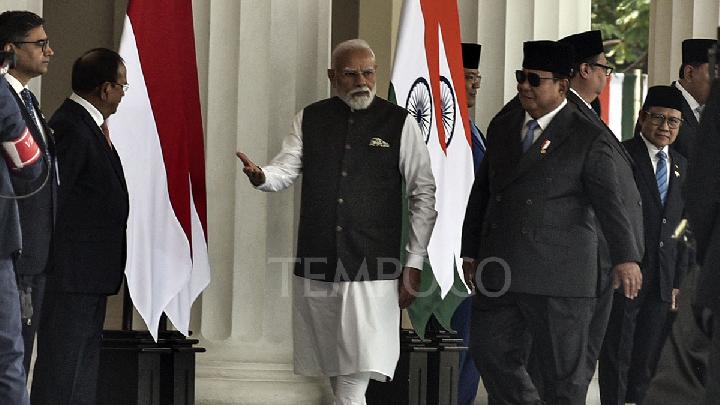
The proposal emerged during a high-level meeting between Prabowo and Indian Prime Minister Narendra Modi at the Merdeka Palace in Jakarta on July 7, 2026. The two leaders discussed strategies to strengthen financial sector collaboration, with a particular focus on integrating Indonesia’s QRIS platform with India’s Unified Payments Interface (UPI). Prabowo emphasized that this partnership would not only streamline transactions but also deepen economic ties between the two nations.
“We welcome the progress of discussions on a cross-border QR payment linkage between Indonesia and India,” Prabowo stated during the meeting. The statement highlights the strategic importance of digital payment systems in fostering economic cooperation, especially in a region where financial innovation is rapidly evolving.
According to Prabowo, the integration of QRIS with UPI could serve as a catalyst for smoother cross-border business operations. By linking the two payment networks, Indonesian businesses may gain easier access to Indian markets, while Indian enterprises could benefit from Indonesia’s digital infrastructure. The president also noted that this development would enhance the financial resilience of both countries, allowing for more efficient fund transfers and reducing reliance on traditional banking methods.
The proposal aligns with broader efforts to promote digital payments in Asia. India has already established itself as a leader in this field, with UPI becoming one of the most widely used mobile payment systems in the world. By connecting QRIS to UPI, Indonesia could tap into India’s vast digital ecosystem, which serves over 3 billion users. This integration would also enable Indian users to access QRIS services in Indonesia, creating a two-way flow of digital transactions.
Modi Welcomes the Initiative, Sees Economic Benefits
Indian Prime Minister Narendra Modi expressed enthusiasm about the potential collaboration, underscoring its significance for bilateral trade. “We are very pleased that India’s UPI payment system will be integrated with Indonesia’s platform,” Modi said, during the meeting. The leader emphasized that this step would not only ease business operations but also facilitate travel for citizens of both countries.
“This step will facilitate business activities as well as travel for the citizens of both nations,” Modi added, highlighting the practical advantages of the partnership. His comments reflect India’s commitment to fostering economic ties with neighboring and emerging markets through digital infrastructure.
Modi’s visit to Indonesia is part of a three-day diplomatic tour, during which he has been engaged in discussions with Indonesian officials. Since arriving on July 6, 2026, the prime minister has focused on strengthening ties between the two nations, which share a long history of cultural and economic collaboration. In addition to the payment system integration, Modi is scheduled to visit Yogyakarta, where he will tour the Prambanan Temple, a UNESCO World Heritage Site and a symbol of ancient Indian-Indonesian connections.
State Ceremony and Bilateral Agreements
On July 7, 2026, Prabowo officially welcomed Modi with a state ceremony at the Merdeka Palace, marking the beginning of their productive discussions. Following the ceremony, the two leaders held a closed-door bilateral meeting with their respective delegations, where they reviewed existing cooperation frameworks and explored new opportunities for collaboration. The meeting was followed by a joint luncheon, during which both leaders reiterated their shared vision for enhanced economic integration.
During the high-level talks, a series of strategic memoranda of understanding (MoUs) were signed, paving the way for concrete steps in the implementation of the QRIS-UPI linkage. These agreements, which include provisions for technology sharing and regulatory alignment, are expected to create a robust foundation for the partnership. The culmination of the discussions resulted in 16 agreements between the two nations, covering a range of sectors from finance to trade.
Prabowo, who is also the leader of the Gerindra Party, expressed optimism about the long-term implications of the partnership. “This integration will bolster the financial resilience of both countries and open new avenues for digital commerce,” he remarked. The president highlighted that the collaboration would enable Indonesian and Indian users to engage in cross-border transactions with greater ease, potentially reducing transaction costs and improving efficiency.
The initiative is seen as a significant milestone in the development of digital finance in Southeast Asia. With India’s UPI already supporting millions of transactions daily, connecting it to QRIS could create a powerful platform for regional trade. The two leaders also discussed the potential for expanding this collaboration to other countries, including neighboring nations in South Asia, to further integrate the region’s digital payment ecosystems.
Benefits and Challenges of the Integration
Analysts suggest that the QRIS-UPI integration could have far-reaching effects on both economies. For Indonesia, it offers a chance to export its digital payment technology to a country with a growing consumer base and a strong digital infrastructure. For India, it provides access to a diverse market that has been steadily adopting QRIS for domestic transactions. The partnership is expected to reduce dependency on foreign payment systems, such as those operated by global banks, while promoting financial autonomy.
However, the integration also presents challenges, including the need to harmonize technical standards and regulatory frameworks. Prabowo acknowledged these hurdles, stating that the collaboration would require careful coordination to ensure compatibility and security. “We are working closely with India to address these issues and create a seamless user experience,” he added. The leaders also emphasized the importance of cybersecurity measures to protect user data and prevent fraud.
With the successful implementation of this initiative, businesses in both countries could benefit from expanded market access and faster transaction processes. Travelers, too, may find it easier to use digital payments when visiting either nation, as the linked systems would allow for real-time fund transfers. This development could also encourage more investment in digital infrastructure, as both countries aim to position themselves as regional leaders in financial technology.
As part of the broader cooperation framework, the 16 agreements signed during the meeting are expected to cover various aspects of the integration. These include technical guidelines for the linkage, regulatory cooperation to ensure compliance, and pilot programs to test the system in select cities. The success of these pilot initiatives will be critical in determining the scalability of the full-scale implementation.
The collaboration between Indonesia and India on digital payments reflects the growing importance of financial technology in shaping global trade. By creating a shared platform, both nations aim to leverage their respective strengths and address common challenges. This partnership is not only a step toward financial integration but also a demonstration of how digital innovation can bridge economic gaps and foster mutual growth.