Fadli Zon Defends New Building at Jakarta Palace
Fadli Zon Defends New Building at Jakarta Palace Fadli Zon Defends New Building at Jakarta - On the premises of the Presidential Palace in Jakarta, President
Fadli Zon Defends New Building at Jakarta Palace
Tempatdonasi.com – On the premises of the Presidential Palace in Jakarta, President Prabowo Subianto has initiated the construction of a new building, a project that has sparked debate among political and cultural stakeholders. Culture Minister Fadli Zon, a prominent figure within the Gerindra Party, has publicly supported the development, emphasizing its necessity for accommodating large-scale events. The minister highlighted that the existing complex often struggles with limited space, forcing the administration to rely on temporary structures for meetings and forums.
Fadli Zon’s Perspective on the Project
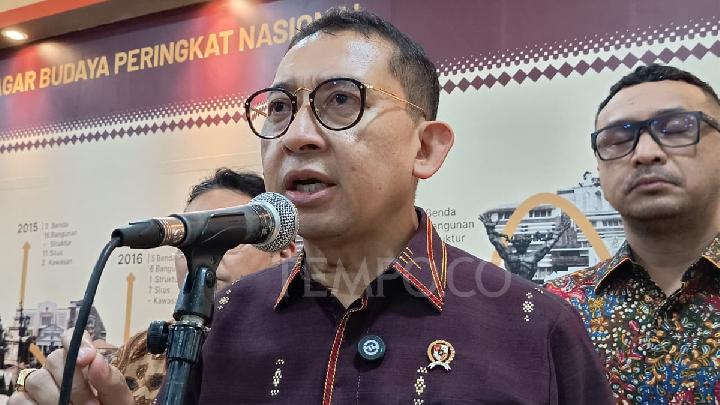
Fadli Zon, during a meeting at the palace on Tuesday, July 7, 2026, stated that the new building would address the pressing need for additional meeting spaces. “In this location, there’s frequently insufficient room for significant gatherings, such as large conferences,” he remarked, underscoring the challenges of holding events in the current setup. The minister explained that the building could serve multiple purposes, including hosting cabinet meetings and other high-profile events, which are often constrained by the narrow and compact layout of the existing facilities.
“Indeed, we lack space. Just look, it’s very narrow and small,” Fadli said, pointing to the physical limitations of the palace grounds.
Fadli also addressed concerns about the project’s compliance with cultural heritage laws, asserting that it does not breach Law No. 11/2010 on Cultural Heritage. He clarified that the construction is being carried out on vacant land within the palace complex, ensuring that the historic architecture of the State Palace and Merdeka Palace remains unaffected. The minister stressed that the project aligns with the government’s goal of modernizing infrastructure while preserving the cultural significance of the site.
Green Party Challenges the Development
Despite Fadli’s defense, the Indonesian Green Party has raised objections, arguing that the project may not meet all legal requirements. John Muhammad, a member of the party’s national presidium, criticized the initiative, stating that the construction appears to contradict the Cultural Heritage Law. “There’s suspicion that the project violates the regulations governing historical sites,” Muhammad noted, citing satellite imagery to support his claim.
“So far, no information has been provided to the public, and failing to meet these requirements could incur punishment,” Muhammad said on Thursday, July 2, 2026.
According to John, the area under development was once a wooded plot, which has since transformed into a construction zone. He pointed out that the site is located on the eastern part of the Merdeka Palace, a cultural heritage site. As an architect, Muhammad argued that the project should have undergone a feasibility study, received endorsements from cultural heritage experts, and ensured public transparency. “Integrated oversight and formal approval from relevant legislative bodies are essential,” he added, emphasizing the need for collaborative decision-making.
Legal and Administrative Requirements
The Green Party member highlighted that the development process must involve the House of Representatives, the Regional Legislative Council, and the People’s Consultative Assembly. He suggested that the Jakarta Governor and regional legislators should have been consulted before finalizing the project. Under the Cultural Heritage Law, violations of these procedures can result in severe penalties, including a maximum prison sentence of 15 years and a fine of up to Rp5 billion.
John Muhammad further questioned the project’s alignment with environmental and cultural preservation goals. He argued that the construction might disrupt the ecological balance of the area and compromise the historical integrity of the palace grounds. “The project should have demonstrated a clear plan to protect the cultural and natural assets of the site,” he said, calling for more rigorous scrutiny.
Public Reaction and Media Coverage
The controversy surrounding the new building has drawn attention from media outlets and public observers. Tempo, a leading news organization, reported on the development in its July 7, 2026 edition, providing details on the project’s progress and the diverse opinions it has generated. The article also noted that Fadli Zon’s statements have been a key point in the discussion, with supporters viewing the project as a pragmatic solution to logistical challenges.
Fadli Zon reiterated that the building’s final use will be decided by the State Secretariat and Cabinet Secretariat, which he believes have the authority to allocate the space based on operational needs. He acknowledged that the building’s role could evolve over time, potentially serving as a hub for public engagement and government activities. “This structure is designed to enhance the functionality of the palace without compromising its historical value,” he said.
Meanwhile, the Indonesian Green Party has called for a review of the project, urging the government to prioritize environmental and cultural considerations. Their criticism reflects a growing emphasis on sustainability and heritage protection in Indonesian politics, particularly as the nation balances modernization with preservation. The party’s stance also highlights the importance of public participation in decisions affecting iconic landmarks.
As the construction progresses, the debate over the new building’s impact on Jakarta Palace continues to unfold. While Fadli Zon and the administration stress its practical benefits, critics like John Muhammad argue that the project lacks transparency and legal thoroughness. This clash of perspectives underscores the broader tensions between developmental needs and the conservation of cultural heritage in Indonesia’s political landscape.
The ongoing discussion is expected to influence future projects at the palace and similar sites. With the law serving as a benchmark for accountability, the success of this initiative may depend on its ability to satisfy both the practical demands of governance and the cultural aspirations of the public. As Tempo continues to track the developments, the story remains a focal point for debates on progress, heritage, and public responsibility.
For further insights into this and other political issues, readers can access Tempo’s full report on the matter. Additionally, the article invites attention to other related topics, such as the government’s proposed anti-LGBTQ curriculum in religious education, which has also generated significant public discourse.
Ervana Trikarinaputri, a contributing journalist, provided the detailed account of the project and its implications. Her work, alongside Tempo’s editorial team, ensures that the public remains informed about the complex interplay of politics, culture, and development in Jakarta’s historic precinct.