
Egypt’s Wrath After World Cup Exit: ‘The Match Was Rigged’
Egypt's Fury Over World Cup Elimination: Claims of Match Manipulation Egypt s Wrath After World Cup Exit - Following Egypt's heartbreaking 3–2 loss to
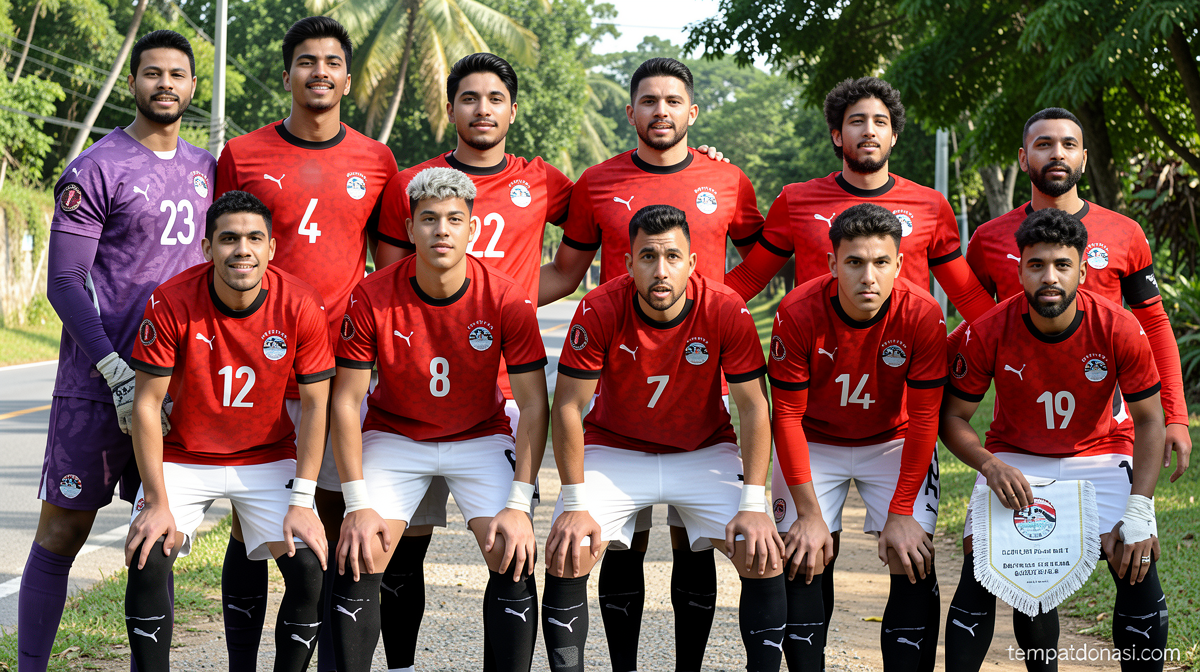
Egypt’s Fury Over World Cup Elimination: Claims of Match Manipulation
Tempatdonasi.com – Following Egypt’s heartbreaking 3–2 loss to Argentina in the round-of-16 stage on Tuesday, national team manager Hossam Hassan expressed his outrage on BeIN Sports. The Egyptian coach suggested that external motivations may have influenced the outcome, stating, “Perhaps they wanted to keep the world champions in the competition. Perhaps they wanted (Lionel) Messi to stay in the race.”
Hassan did not mince words regarding his assessment of the contest. He declared emphatically that “This match was rigged, and the whole world saw it.” The defeat proved particularly painful for Egypt, who had built a commanding lead before Argentina’s dramatic second-half surge completely overturned the result.
A Lead That Slipped Away
Egypt appeared destined for victory when they took a 2–0 advantage. Yasser Ibrahim opened the scoring in the fifteenth minute, and Mostafa Ziko doubled the lead in the sixty-seventh minute. However, the defending champions refused to concede, mounting an impressive comeback that saw three goals in rapid succession.
Cristian Romero struck in the seventy-ninth minute, followed by Lionel Messi’s goal in the eighty-third. Enzo Fernandez sealed the victory with a late strike in the ninety-second minute plus two seconds, ensuring Argentina advanced to the quarterfinals.
For Egypt, the seven-time Africa Cup of Nations champions, the loss carried enormous weight. They directed their frustration toward French referee Francois Letexier, whom they accused of costing them a historic triumph. Mostafa Ziko, whose own goal in the fifty-eighth minute had been overturned by the video assistant referee, voiced the team’s sentiments: “The referee was unfair and destroyed the efforts of an entire nation. The trophy is being handed to Argentina.”
According to Hassan, Ziko’s disallowed goal was ruled out “for whatever reason,” adding to the sense of injustice felt by the Egyptian camp.
Controversial Decisions Under Scrutiny
Defending the referee’s actions, officials pointed to a moment where an Egyptian player clearly stepped on the foot of an Argentine player in possession before Egypt won the ball. Some observers considered this a legitimate reason for disallowing the goal, while others argued the infraction was minor and occurred too far from goal for VAR intervention at this stage of the tournament.
However, the disallowed goal was not the sole point of contention. Hossam Hassan highlighted another missed opportunity for Egypt: “A penalty for us wasn’t even checked by VAR.” He and his players believed that Hamdy Fathy had been fouled inside the Argentine penalty area just minutes before Fernandez’s winner.
The incident involved Alexis Mac Allister grabbing Fathy’s jersey and pulling him away from the ball, preventing the Egyptian from potentially reaching and scoring from a rebound. This interpretation was shared by several neutral observers watching the match.
Official Complaint and External Analysis
In response to what they viewed as a miscarriage of justice, the Egyptian Football Association submitted a formal complaint to FIFA. EFA President Hany Abo Rida accused Letexier of committing “serious errors” and called for both an investigation into the incidents and the removal of the entire officiating team from the World Cup.
Abo Rida asserted that the referee had applied a “double standard, resulting in the Egyptian team losing the match and being eliminated.” He also criticized what he described as “blatant errors and the refusal to review specific video sequences.”
German former referees offered their perspective on the controversy. Patrick Ittrich, speaking on Germany’s MagentaTV, observed: “You can see the jersey being pulled. For me, that’s a penalty.” He noted that “All the contentious decisions went against Egypt. The negative emotions are understandable,” while also confirming that “the procedures followed regarding the video assistant were correct.” Ittrich suggested the VAR simply did not deem the shirt-pulling incident significant enough to warrant intervention.
Lutz Wagner, former Bundesliga referee and head of referee training at the German Football Association, agreed with this assessment. Speaking on ARD, he described the Argentine player’s actions as “Very unwise behavior,” adding that “Argentina could not have complained had the whistle been blown.”
Hassam Hassan concluded by placing blame on the Argentine side, claiming they had “put pressure on the referee.” He reflected: “We deserved the win, but we were shown no respect and no fair play. Life is unfair, the world is unfair, but why is there no fairness in football, in sport? We were treated unfairly.”
Broader Context of Match-Fixing Speculation
The Egyptian reaction did not emerge in isolation. Recent events have fueled ongoing speculation about potential favoritism in World Cup officiating. FIFA had previously suspended the red-card ban against American striker Folarin Balogun following a phone call from US President Donald Trump, opening the door for questions about external influence.
Adding to the narrative, the English FA announced it was considering—possibly partly as a joke—an appeal against the red card and subsequent suspension of defender Jarrell Quansah for their quarterfinal clash with Norway. Although no standard appeals process exists for red cards, the topic gained significant traction on social media, generating numerous memes and discussions.
As Egypt processes their elimination, the combination of controversial decisions, perceived double standards, and broader institutional questions has created a perfect storm of frustration for the Egyptian football community.