
Indonesia Launches B50 Program, Minister: ‘No More Diesel Import’
Indonesia Launches B50 Program Minister -
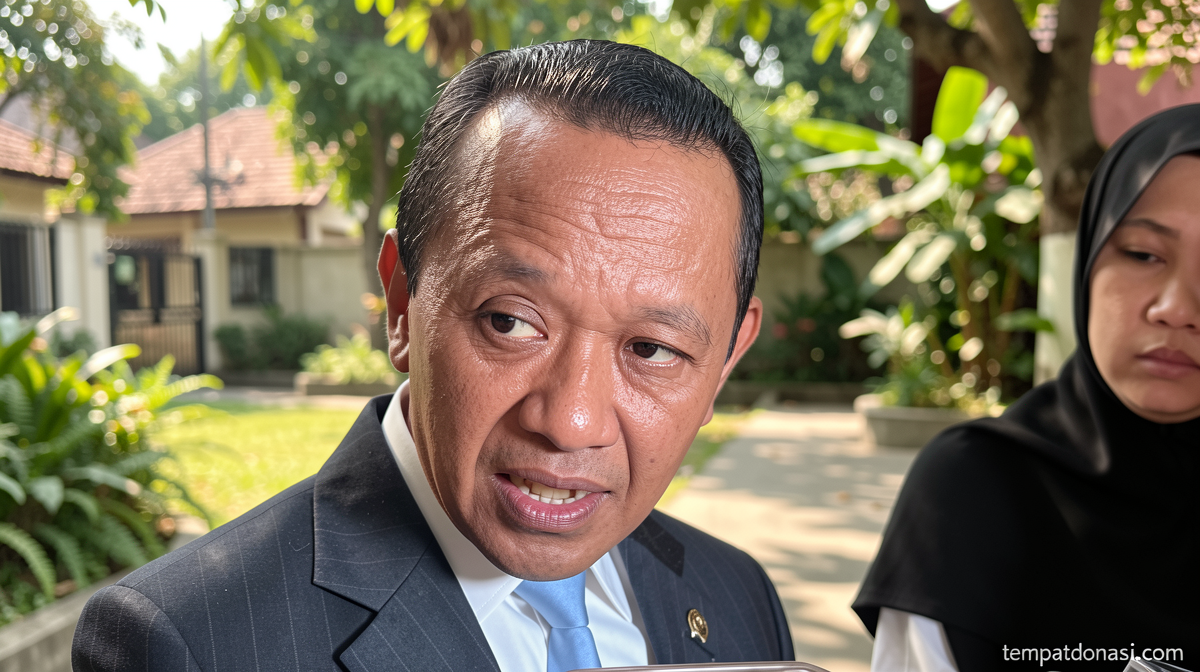
Indonesia Initiates Comprehensive B50 Biodiesel Mandate to Eliminate Diesel Imports
A New Era for National Energy Independence
Tempatdonasi.com – On Thursday, July 9, 2026, President Prabowo Subianto officially inaugurated the Mandatory B50 program across Indonesia, establishing a transformative policy that requires fuel distributors to blend fifty percent biodiesel into all diesel products sold throughout the archipelago. This ambitious initiative represents a significant milestone in the nation’s quest for energy self-sufficiency and sustainable development.
According to Minister of Energy and Mineral Resources Bahlil Lahadalia, the implementation of this comprehensive biodiesel mandate is projected to fundamentally alter Indonesia’s relationship with international fuel markets. During the ceremonial launch event held in Karawang, West Java, the minister expressed optimism about the program’s potential outcomes.
“With the implementation of B50, alhamdulillah, we will no longer import diesel fuel products into our country,” Bahlil stated, emphasizing the transformative nature of this policy shift for the Southeast Asian nation.
Addressing National Fuel Consumption Patterns
The rationale behind this ambitious program becomes clear when examining Indonesia’s substantial fuel consumption patterns. According to ministerial data, the country consumes between thirty-eight and forty million kiloliters of diesel fuel annually to power its diverse economic sectors. To bridge the gap between domestic production and consumption needs, Indonesia currently imports approximately three to four million kiloliters each year.
The fifty percent mixture of palm oil-derived biodiesel will significantly reduce the volume of pure diesel required across the nation. Through strategic expansion of the B50 framework, officials believe that domestic manufacturing capacity will become sufficient to satisfy the entire domestic market without relying on foreign suppliers.
Rigorous Testing Across Multiple Sectors
Before introducing the program to the general public, the government conducted an extensive six-month trial period to ensure compatibility across various applications. The testing phase encompassed six critical diesel engine user sectors that form the backbone of Indonesia’s infrastructure and economy.
These sectors included automotive transportation, agricultural equipment and machinery operations, heavy mining equipment utilization, maritime transportation networks, power generation facilities, and railway systems. The comprehensive evaluation involved participation from multiple ministries and government agencies, private business entities, industry associations, academic institutions, technology providers, and end-user industrial operators.
Regulatory Framework and Compliance Requirements
The B50 program operates under a robust regulatory structure established through two key instruments. The first is the Regulation of the Minister of Energy and Mineral Resources Number 4 of 2025, which addresses the business operations and utilization of biofuels throughout the country. The second is the Decree of the Minister of Energy and Mineral Resources Number 257.K/EK.01/MEM.E/2026, which formally establishes the obligation to incorporate fifty percent biodiesel into diesel oil products.
This comprehensive policy mandates a fifty percent blending ratio for all categories of diesel fuel distributed across Indonesia. During implementation, vegetable fuel enterprises, petroleum fuel companies, and distribution businesses must adhere to established standards and quality specifications as outlined in the regulatory documents.
Enforcement Mechanisms and Transition Timeline
In practical application, biofuel producers, oil fuel operators, and distribution networks are required to meet predetermined quality benchmarks. The regulatory framework includes provisions for administrative sanctions against violators, with penalties ranging from formal written warnings to complete revocation of business operating licenses for serious or repeated infractions.
To facilitate a smooth transition to the new system, the government has granted fuel companies until September 30, 2026, to deplete existing B40 biodiesel inventory stocks. Additionally, the Ministry of Energy and Mineral Resources will conduct systematic evaluations of the B50 mandate every three months to assess performance, identify challenges, and make necessary adjustments to ensure optimal program functionality.
This comprehensive approach demonstrates Indonesia’s commitment to leveraging domestic resources, particularly palm oil production capabilities, to achieve energy independence while supporting sustainable development goals for the future.