US Strikes on Five Iranian Provinces Kill 14, Injure 78
American Military Operations in Iran Result in Significant Casualties US Strikes on Five Iranian Provinces - Iran's Health Ministry has confirmed that
American Military Operations in Iran Result in Significant Casualties
Tempatdonasi.com – Iran’s Health Ministry has confirmed that American military operations conducted over a two-day period resulted in the deaths of at least fourteen individuals and left seventy-eight others wounded. The ministry’s official statement was released on Thursday, providing updated figures regarding the impact of these strikes across five different Iranian provinces.
Hossein Kermanpour, who serves as the Head of the Public Relations and Information Center for the Iranian Ministry of Health, shared these details through a post on the social media platform X. According to reports from ANTARA, Kermanpour specified that the American forces targeted five Iranian provinces during operations on July 8 and 9. The official stated that the current toll stands at fourteen fatalities and seventy-eight injured persons.
The United States targeted five provinces of Iran with attacks on July 8 and 9.
Medical facilities across the affected regions have been working to treat the wounded. The ministry reported that forty-seven of the injured victims remain hospitalized and are currently receiving ongoing treatment. Meanwhile, other casualties have been released from medical care after receiving necessary treatment for their injuries.
According to Iran’s state news agency IRNA, which cited Valiollah Hayati, the Deputy Governor for Security of Khuzestan Province, three of the fatalities occurred near the southwestern city of Ahvaz. This information adds geographic context to the casualties, highlighting that the southwestern region experienced significant impact from the American operations.
Escalation of Regional Tensions
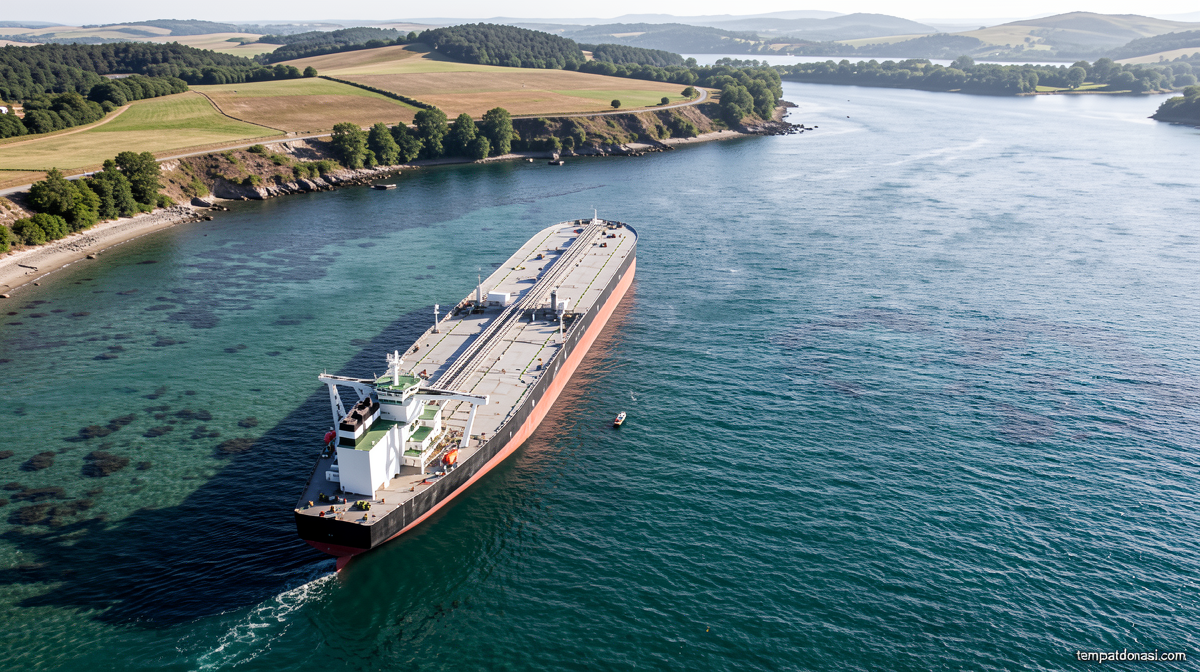
These latest casualty figures come as the conflict between the United States and Iran continues to intensify. The escalation follows the collapse of a fragile ceasefire that had been established the previous month. The deterioration of relations began when American authorities accused Iran of launching attacks against three merchant vessels navigating through the Strait of Hormuz.
This accusation prompted Washington to initiate a series of military strikes against Iranian defense positions situated along the nation’s southern coastline. The American Central Command, known as CENTCOM, provided comprehensive details about the scope of these operations. The command stated that the military campaign targeted more than one hundred and seventy military installations over the course of two days.
The targeted facilities included air defense systems, coastal surveillance equipment, missile and drone infrastructure, naval installations, and various facilities operated by the Islamic Revolutionary Guard Corps. CENTCOM officials emphasized that the primary objective of these strikes was to prevent additional attacks on international shipping routes in the region.
Iranian Response and Diplomatic Developments
In response to the American military actions, Iran has launched its own counteroffensive using drones and missiles aimed at American military installations located in Bahrain and Kuwait. This retaliatory action demonstrates Tehran’s determination to respond to what it perceives as unprovoked aggression.
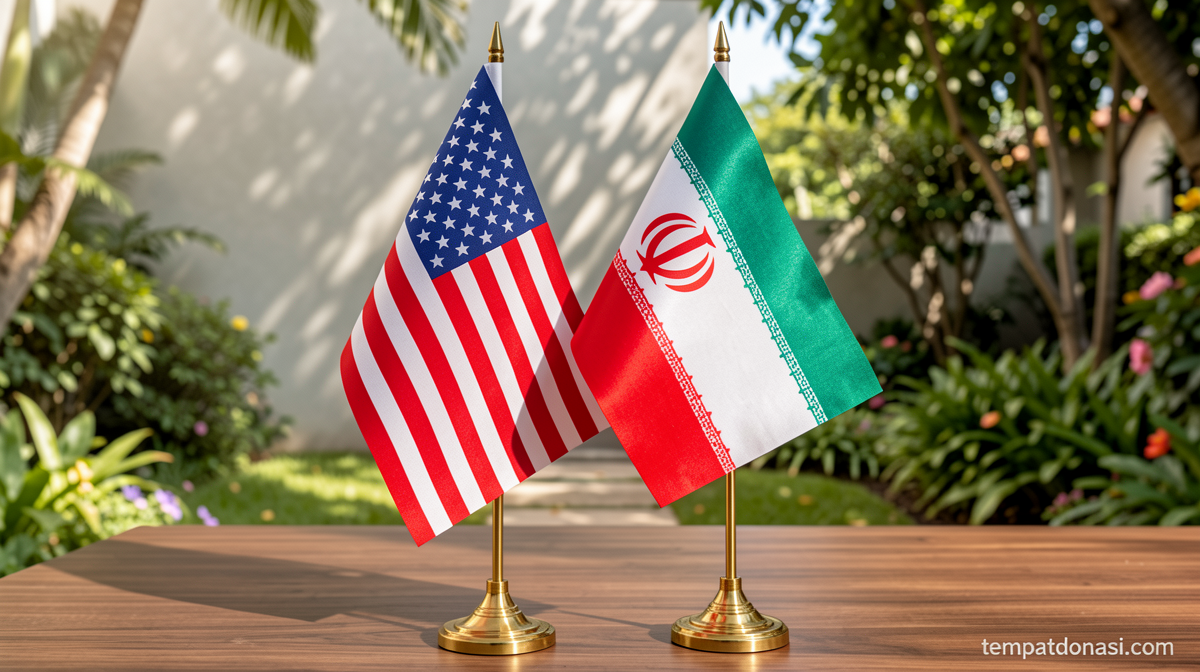
Previously, both nations had reached an agreement mediated by Pakistan on June 17. This memorandum of understanding was designed to halt the military conflict and create conditions for a more lasting peace settlement between the two countries. However, the diplomatic progress was short-lived.
On Wednesday, President Donald Trump announced that the memorandum of understanding was effectively terminated. His declaration that the agreement was “over” signaled the end of the diplomatic arrangement and triggered a fresh wave of military confrontation between the two nations. This development has significantly altered the regional security landscape and raised concerns about further escalation in the Middle East.
The situation remains fluid as both sides continue to adjust their military and diplomatic strategies in response to each other’s actions. International observers are closely monitoring developments to assess whether renewed diplomatic efforts might help stabilize the region and prevent additional conflicts from emerging.