
Indonesia’s B50 Biodiesel Program Could Save Rp170tn in Forex, Says Bahlil
Bahlil Highlights B50 Biodiesel Initiative's Potential for Economic Benefits Indonesia s B50 Biodiesel Program Could - Indonesia's commitment to the B50
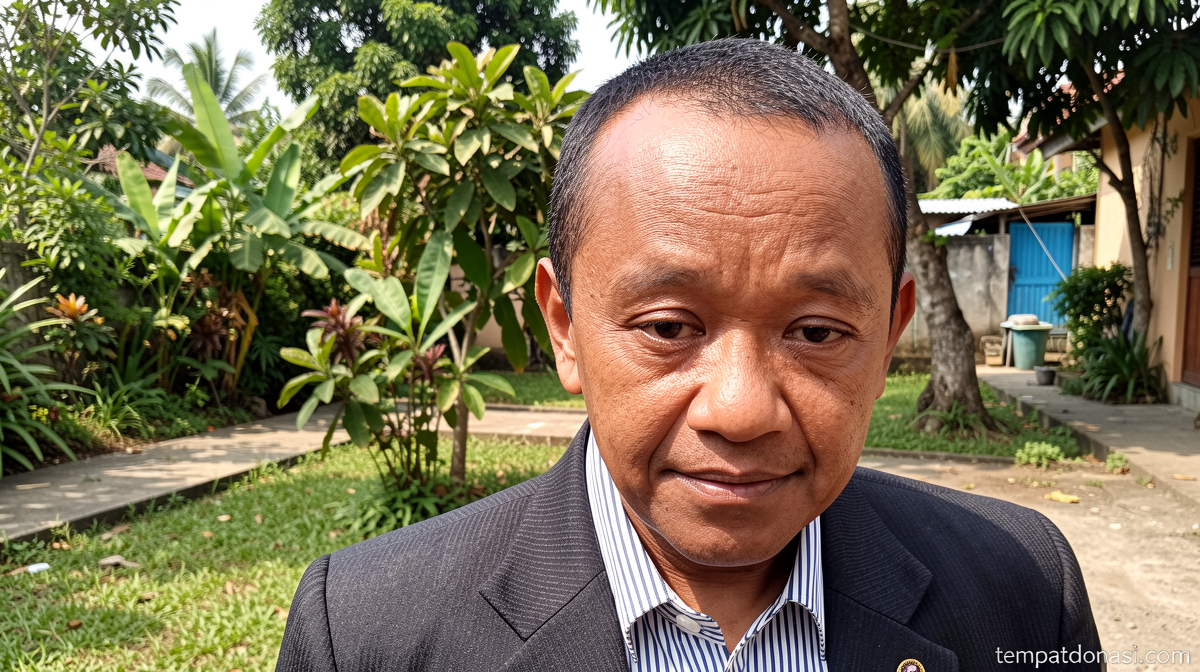
Bahlil Highlights B50 Biodiesel Initiative’s Potential for Economic Benefits
Tempatdonasi.com – Indonesia’s commitment to the B50 biodiesel mandate represents a significant step toward strengthening the nation’s economic resilience, according to Energy and Mineral Resources Minister Bahlil Lahadalia. The minister emphasized that this comprehensive program will prevent hundreds of trillions of rupiah from leaving the country through diesel fuel imports. By redirecting foreign exchange that would otherwise fund petroleum purchases, the initiative aims to preserve valuable currency reserves within Indonesia’s domestic economy.
The B50 framework requires blending fifty percent crude palm oil into diesel fuel distributed across the archipelago. This policy serves dual purposes: reducing dependency on imported petroleum while simultaneously establishing a stable domestic market for palm oil producers. Bahlil explained that the program creates a safety net for palm oil when international markets experience downturns or price declines.
“If the CPO price drops and foreign markets reject it, we will allocate a portion to develop our downstream sector through B50,” he stated during the official program launch.
The announcement took place on Thursday, July 9, 2026, in Karawang, West Java, with President Prabowo Subianto in attendance. The Golkar Party chairperson expressed confidence that the B50 implementation would generate positive price movements for both agricultural producers and industrial operators involved in palm oil processing.
Projected Economic and Environmental Outcomes
Domestic consumption of crude palm oil is anticipated to experience substantial growth under the new mandate. Current estimates place domestic demand at approximately fifteen point two million tons, with projections indicating an increase to seventeen million tons. This expanded consumption creates greater market stability for farmers who have historically faced price volatility in international markets.
The financial implications extend beyond forex preservation. Bahlil calculated that the B50 program would retain up to one hundred seventy trillion rupiah domestically. This represents meaningful progress compared to the previous B40 program, which maintained approximately one hundred thirty-three trillion rupiah within the national economy. Additionally, the minister projected that the palm oil industry’s added value would climb from twenty point nine two trillion rupiah to twenty three point four nine trillion rupiah.
Employment generation represents another critical benefit of the expanded biodiesel program. The workforce absorption capacity is expected to grow from roughly one point eight million individuals under B40 to two point one million people under the B50 framework. This expansion reflects the labor-intensive nature of palm oil cultivation, processing, and distribution activities.
“With the implementation of B50, thank God, we will no longer import diesel products into our country,” Bahlil declared, emphasizing the policy’s potential to eliminate foreign petroleum dependency entirely.
Regulatory Framework and Implementation Timeline
The legal foundation for the mandatory B50 program rests on Minister of Energy and Mineral Resources Regulation Number Four of Two Thousand Twenty-Five concerning biofuel development and utilization. This regulation is reinforced by Ministerial Decree Number Two Hundred Fifty-Seven.K/EK.01/MEM.E/Two Thousand Twenty-Six, which establishes the fifty percent blending requirement for all diesel fuel categories.
Compliance mechanisms include administrative sanctions for entities failing to meet obligations. Biofuel producers, fuel distribution companies, and retailers must adhere to strict quality specifications. Non-compliant energy firms face consequences ranging from formal written warnings to temporary operational suspensions and potential license revocation under prevailing regulations.
To facilitate a smooth transition, fuel companies received an extension period until September thirtieth, two thousand twenty-six to deplete existing B40 inventory stocks. The Ministry of Energy and Mineral Resources will conduct systematic evaluations of the B50 implementation every three months to monitor progress and address emerging challenges. These periodic assessments ensure that the program remains on track to achieve its environmental objectives, including carbon emission reductions from thirty-nine point six six million tons to approximately forty-four point four six million tons of CO2 annually.
Ervana Trikarinaputri contributed to this report.