
Why Vietnam Revised Its Visa-Free Policy for Indonesians
Vietnam Tightens Entry Rules for Indonesian Travelers Starting Mid-2026 Why Vietnam Revised Its Visa Free - Indonesian nationals planning trips to Vietnam
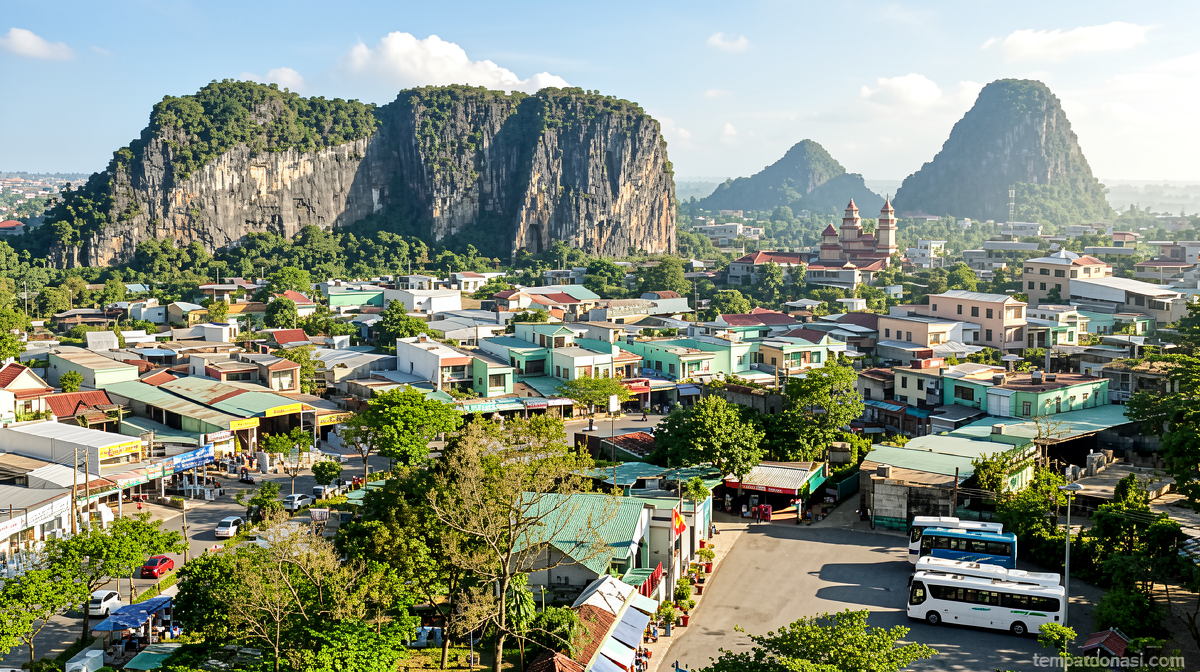
Vietnam Tightens Entry Rules for Indonesian Travelers Starting Mid-2026
Tempatdonasi.com – Indonesian nationals planning trips to Vietnam should prepare for more restrictive entry conditions as Hanoi implements updated immigration regulations. The modification, which takes effect on July 15, 2026, significantly reduces the visa-free stay period for Indonesian citizens holding ordinary passports. Previously allowed to remain for thirty days without a visa, travelers will now be limited to a fourteen-day window for short-term visits.
The Indonesian Embassy in Hanoi communicated this policy shift through an official advisory released on Monday, July 6, 2026. The announcement was shared via the embassy’s Instagram account, providing clarity on the new requirements for Indonesian passport holders seeking to enter Vietnam without obtaining a visa in advance.
Indonesian ordinary passport holders are now eligible for visa-free entry for up to 14 days only, for tourism and family visits
Reversal of Previous Immigration Framework
This adjustment represents a notable departure from Vietnam’s immigration schedule established just twelve months earlier. According to coverage by Migrant Times, the Vietnamese Ministry of Foreign Affairs published an official immigration timetable on June 30, 2025, which aligned Indonesia with several neighboring nations. Under that framework, Indonesia shared the same thirty-day visa-free privilege as Malaysia, Singapore, and Thailand. Meanwhile, Philippine citizens received a slightly shorter twenty-one-day allowance.
The revised policy means that Indonesian travelers must now be more mindful of their itinerary planning. Those undertaking brief holiday trips or visiting relatives within the fourteen-day timeframe will not need to complete any immigration documentation beforehand. However, the countdown begins immediately upon arrival in Vietnam, not on the day of departure from Indonesia.
Consequences of Overstaying
Travelers who remain in Vietnam beyond the fourteen-day limit without proper authorization may face several consequences. These can include monetary penalties, forced deportation back to Indonesia, or even being barred from re-entering Vietnam for a specified period. The embassy has emphasized that the fourteen-day allowance applies specifically to leisure activities and family visits, not to other purposes of travel.
For Indonesian citizens whose travel extends beyond two weeks, or who are visiting for purposes other than tourism and family matters, obtaining a pre-approved entry permit before boarding their flight becomes mandatory. This requirement covers business trips, employment opportunities, and academic engagements, among other non-leisure purposes.
E-Visa Options for Extended Stays
Vietnam offers a convenient digital solution for travelers requiring longer periods in the country. The VisasUpdate platform reported that Vietnam’s electronic visa system allows applicants to submit their requests online for stays of up to ninety days. Travelers can choose between single-entry visas priced at twenty-five US dollars or multiple-entry options available for fifty US dollars. This flexibility provides Indonesian visitors with alternatives depending on their specific travel needs and budget considerations.
Vietnam’s Tourism Surge
The policy revision coincides with a period of substantial growth in Vietnam’s tourism sector. Data from the Vietnam News Agency indicates that the country received approximately 12.3 million international visitors during the first half of 2026. June alone contributed around 1.7 million arrivals to this total figure.
China and South Korea maintained their positions as the leading source markets for Vietnamese tourism. Chinese visitors accounted for 2.7 million arrivals, while South Korean travelers contributed 2.16 million. Together, these two nations represented roughly forty percent of all international visitors to Vietnam during this period.
While Indonesia has not yet emerged as one of the largest visitor markets for Vietnam, the archipelago nation demonstrates promising growth within the Southeast Asian segment. Indonesian arrivals increased by 26.5 percent during the first six months of 2026 compared to the same period the previous year. This upward trajectory suggests that Vietnamese tourism officials may need to continue monitoring and adjusting policies to balance visitor management with industry expansion.
As Vietnam continues to attract international travelers, the revised visa-free policy for Indonesians reflects the country’s efforts to manage its growing tourism sector while maintaining controlled entry procedures. Indonesian travelers are advised to review these updated requirements carefully before finalizing their travel plans to ensure compliance with the new regulations.