
The Mass Adoption of Indonesian Children by Dutch Families
Indonesian Children Adopted by Dutch Families: A Journey of Discovery Searching for Roots Across Continents The Mass Adoption of Indonesian Children - The
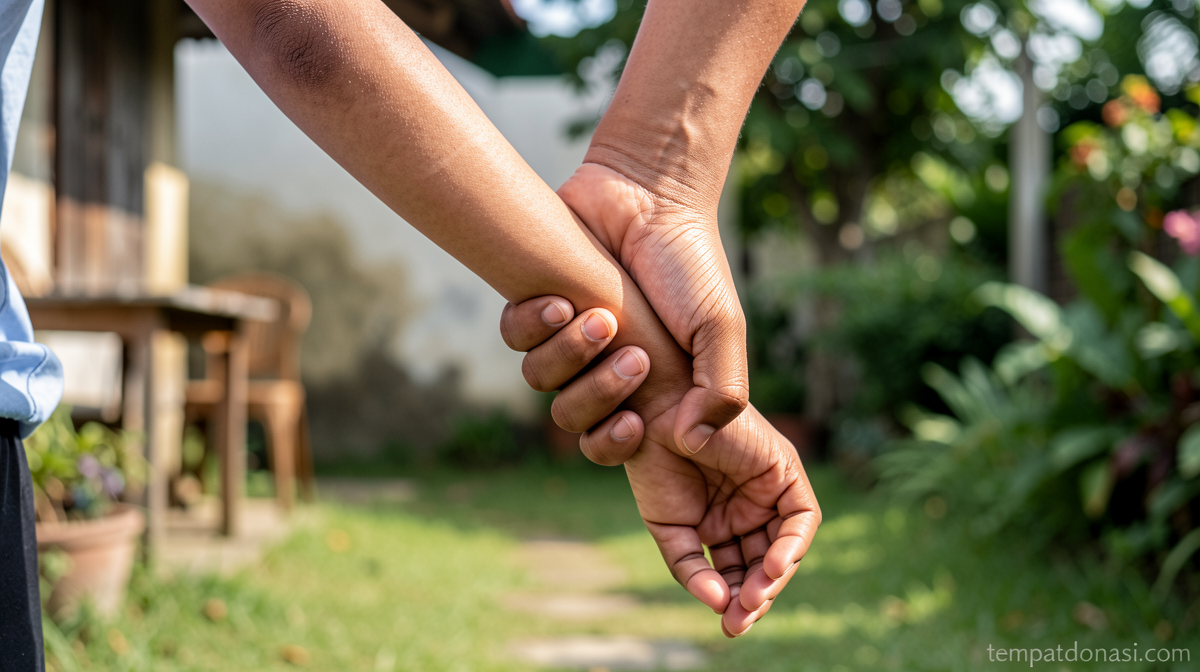
Indonesian Children Adopted by Dutch Families: A Journey of Discovery
Searching for Roots Across Continents
Tempatdonasi.com – The phenomenon of Indonesian children being adopted by Dutch families represents one of the most significant cross-cultural migration patterns of the late twentieth century. For many of these children, growing up in the Netherlands meant navigating a complex dual identity, caught between their Dutch upbringing and their Indonesian heritage. Among them is Nani Keizer, whose personal journey of self-discovery has become emblematic of this broader experience.
Keizer’s story began in the 1980s when she was taken from her biological family in Jakarta and placed with Dutch parents. Like many children in similar situations, she grew up believing the narrative presented to her about her origins. However, as she entered adolescence during the 1990s, something shifted within her. Puberty brought not only physical changes but also a profound questioning of who she was and where she truly belonged.
The Weight of Inauthentic Documents
One of the most striking realizations Keizer experienced was the visual disconnect between herself and her adoptive parents. Her physical features stood in marked contrast to theirs, a daily reminder that her story might be more complicated than she had been led to believe. This observation eventually prompted her to seek answers about her true origins.
Her adoptive parents provided her with adoption documents, which became the foundation for her search. Yet, as Keizer delved deeper into her past, she encountered a troubling revelation. The information contained within those papers did not match reality, creating obstacles in her quest to locate her biological mother. This discovery cast doubt on everything she had previously accepted as truth.
“It appears my adoption papers were not authentic,” Keizer, now 43, told Tempo in late March 2026.
Rebuilding Trust in Her Own Story
The implications of inauthentic adoption papers extended far beyond a simple clerical error. Keizer found herself unable to trust any of the information she had been given about her birth mother, her family’s address, or even the circumstances surrounding her adoption. Each piece of information that had once seemed reliable now required careful verification.
This process of reexamination was not merely intellectual but deeply emotional. Keizer had to confront the possibility that her entire understanding of her identity might be built on shaky foundations. The search for truth became both a practical endeavor and a personal pilgrimage.
Connecting with a Community of Fellow Adoptees
Keizer’s journey did not unfold in isolation. Her efforts to verify her own story eventually led her to connect with other Indonesians who had been adopted by Dutch families. Through these connections, she discovered that her experience was not unique. Many others shared similar frustrations with unreliable documentation and the ongoing quest to understand their true origins.
This community of Indonesian-Dutch adoptees represents a growing voice in discussions about identity, belonging, and the complexities of international adoption. Their stories highlight both the challenges and the resilience of individuals navigating life between two cultures.
As Keizer continues her search, her experience serves as a reminder that the journey of self-discovery often extends far beyond childhood, sometimes lasting a lifetime. The documents that once seemed to provide clear answers have become starting points for new questions, and the search for her biological family continues to shape her understanding of who she is.