Indonesia, Vietnam Set US$18bn Trade Target by 2028
Strengthening Ties: Indonesia and Vietnam Aim for US$18 Billion Trade Milestone Indonesia Vietnam Set US 18bn Trade - In a significant move to bolster
Strengthening Ties: Indonesia and Vietnam Aim for US$18 Billion Trade Milestone
Tempatdonasi.com – In a significant move to bolster regional economic integration, Indonesia and Vietnam have formally committed to a new phase of bilateral cooperation. The two Southeast Asian nations have set an ambitious goal to reach a combined trade volume of US$18 billion by the year 2028. This major announcement was made public by Indonesian Foreign Minister Sugiono, who highlighted the depth of the agreement reached during recent high-level discussions in the capital city.
A Formal Commitment Through MoU
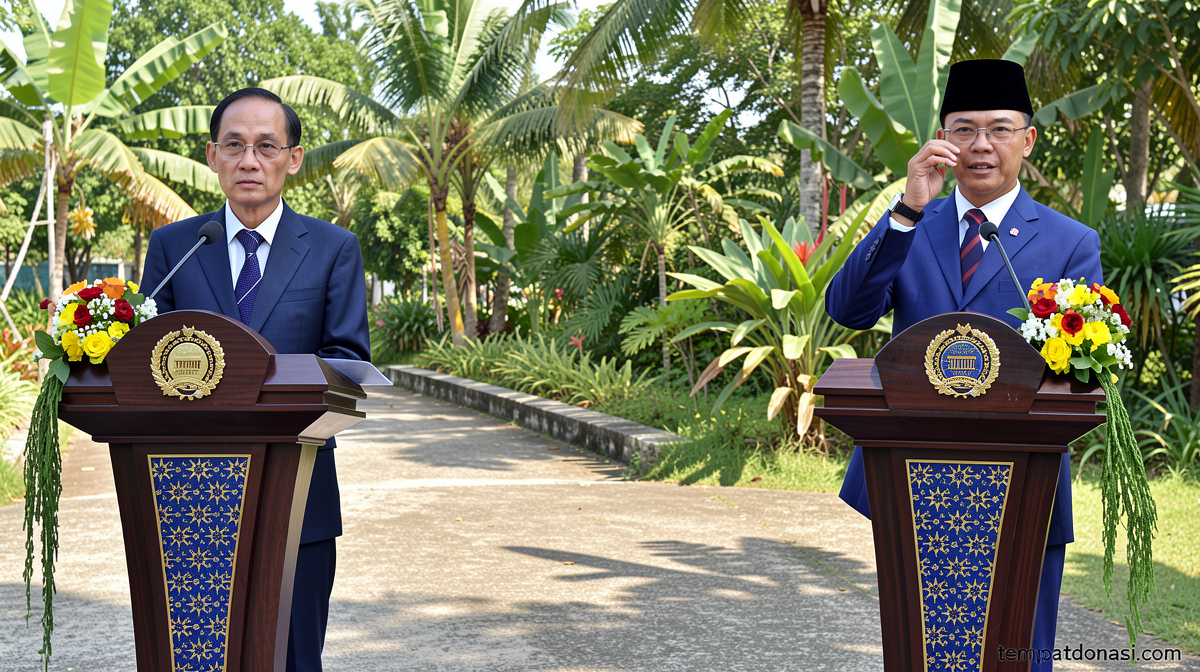
The foundation for this enhanced partnership was laid through the signing of a comprehensive memorandum of understanding (MoU). This document was executed by Foreign Minister Sugiono alongside his Vietnamese counterpart, Le Hoai Trung. The signing ceremony took place on Tuesday, July 14, 2026, within the bustling metropolis of Jakarta. The occasion marked the conclusion of the 6th Joint Commission on Bilateral Cooperation (JCBC) meeting, a pivotal forum where both governments review and plan their collaborative efforts.
During the proceedings, Minister Sugiono emphasized the renewed dedication of both nations to this economic vision. He stated clearly in a joint press statement:
Regarding economic cooperation, we reaffirm our commitment to achieving a bilateral trade target of US$18 billion by 2028.
This declaration underscores the seriousness with which both governments are approaching their shared economic objectives.
Removing Barriers and Boosting Investment
To realize this substantial financial target, a multi-faceted approach has been adopted. Both countries have agreed to actively promote two-way trade flows and encourage greater investment opportunities across borders. A key component of this strategy involves identifying and eliminating various trade barriers that currently hinder the free movement of goods and services. By streamlining regulations and reducing tariffs where necessary, officials hope to create a more favorable environment for exporters and importers alike.
Furthermore, officials from both nations have pledged to enhance the frequency of dialogue between their private sectors. This initiative aims to foster deeper understanding and create new opportunities for joint ventures across various industries. In addition to these immediate steps, the governments will closely monitor all existing bilateral agreements and previously signed MoUs. The objective is to ensure that these documents translate into concrete, measurable outcomes rather than remaining as mere formalities.
Expanding Beyond Economics: Security and Strategy
While the headline figures focus on commerce, the strategic partnership action plan encompasses much broader areas of mutual interest. One critical area involves the implementation of bilateral agreements concerning exclusive economic zones (EEZs). Clarifying these maritime boundaries is essential for resource management and regional stability. Alongside these legal frameworks, the plan includes enhanced cooperation in the defense and security sectors, particularly within the maritime domain.
Another vital aspect of this expanded partnership is the joint effort to prevent cross-border criminal activities. Drug trafficking remains a significant concern for both nations, and the new agreement prioritizes coordinated actions to combat this issue effectively. By sharing intelligence and aligning enforcement strategies, Indonesia and Vietnam aim to secure their shared waters and land borders more robustly.
Focus on Innovation and Connectivity
The ministers also identified several forward-looking sectors for closer collaboration. These include agriculture, science, and technology, areas where both countries possess complementary strengths. Notably, the electric vehicle (EV) supply chain has been highlighted as a priority zone. As global demand for sustainable transportation grows, both Indonesia and Vietnam are positioning themselves to become key players in this emerging market. Similarly, the digital economy represents another avenue for growth, with plans to integrate technological advancements into daily business operations.
Foreign Minister Le Hoai Trung provided additional insight into the nature of this partnership. He noted that Vietnam and Indonesia have agreed to strengthen their cooperation in connectivity. This focus on infrastructure and logistical links is intended to complement their existing strengths in trade and investment. Improved connectivity will facilitate faster movement of goods and people, further stimulating economic activity.
Optimism for Early Success
Looking ahead, Minister Trung expressed a high degree of confidence in the success of this initiative. He believes that the ambitious trade target is not only achievable but likely to be surpassed well before the deadline. His optimism is rooted in the impressive performance of Indonesia-Vietnam trade relations in recent times. He remarked:
I even heard that our trade this year alone has almost reached US$18 billion, so there is a strong possibility that we can exceed the target set for 2028.
This sentiment reflects a positive trajectory for bilateral relations. With such strong momentum, the two nations are poised to deepen their ties significantly. The combination of economic, security, and technological cooperation sets a solid foundation for long-term prosperity. As both countries continue to navigate the complexities of the global economy, their strengthened partnership offers a model of