Ukraine Targets Another 11 Russian Ships in Sea of Azov
Ukrainian Forces Strike Eleven Additional Russian Vessels in Azov Sea Operations Ukraine Targets Another 11 Russian Ships - Kyiv announced on Tuesday that
Ukrainian Forces Strike Eleven Additional Russian Vessels in Azov Sea Operations
Tempatdonasi.com – Kyiv announced on Tuesday that Ukrainian military forces have successfully targeted eleven more Russian ships during overnight operations in the Sea of Azov. This latest wave of attacks represents a continued escalation in Ukraine’s maritime campaign against Russian shipping infrastructure in the region.
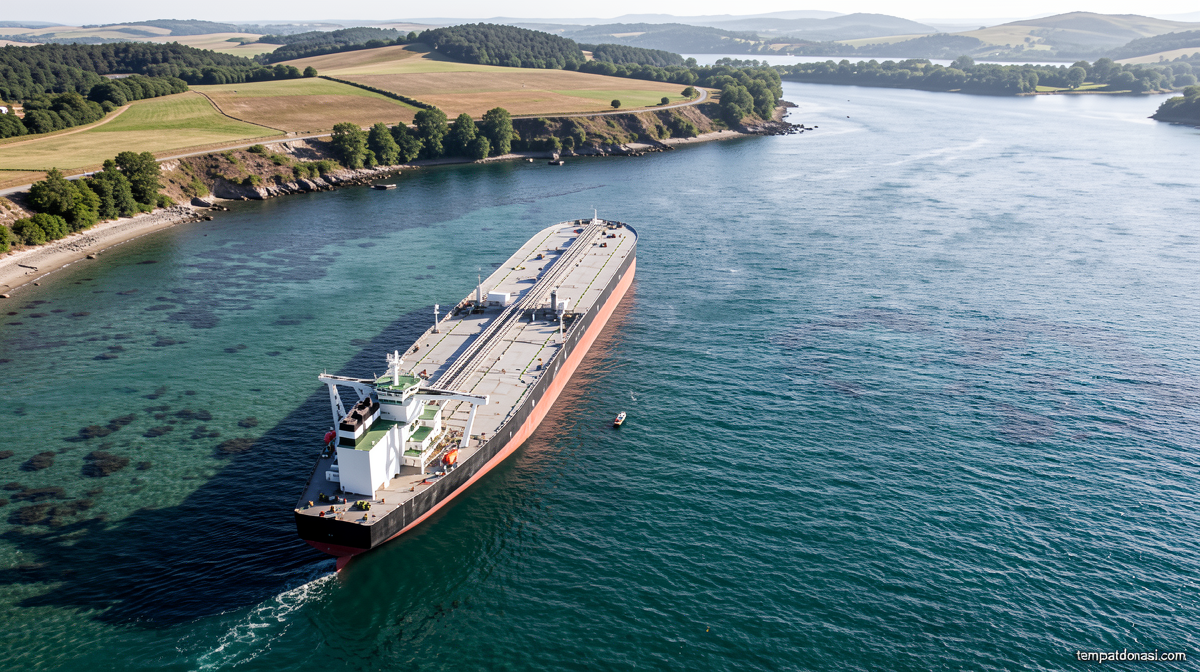
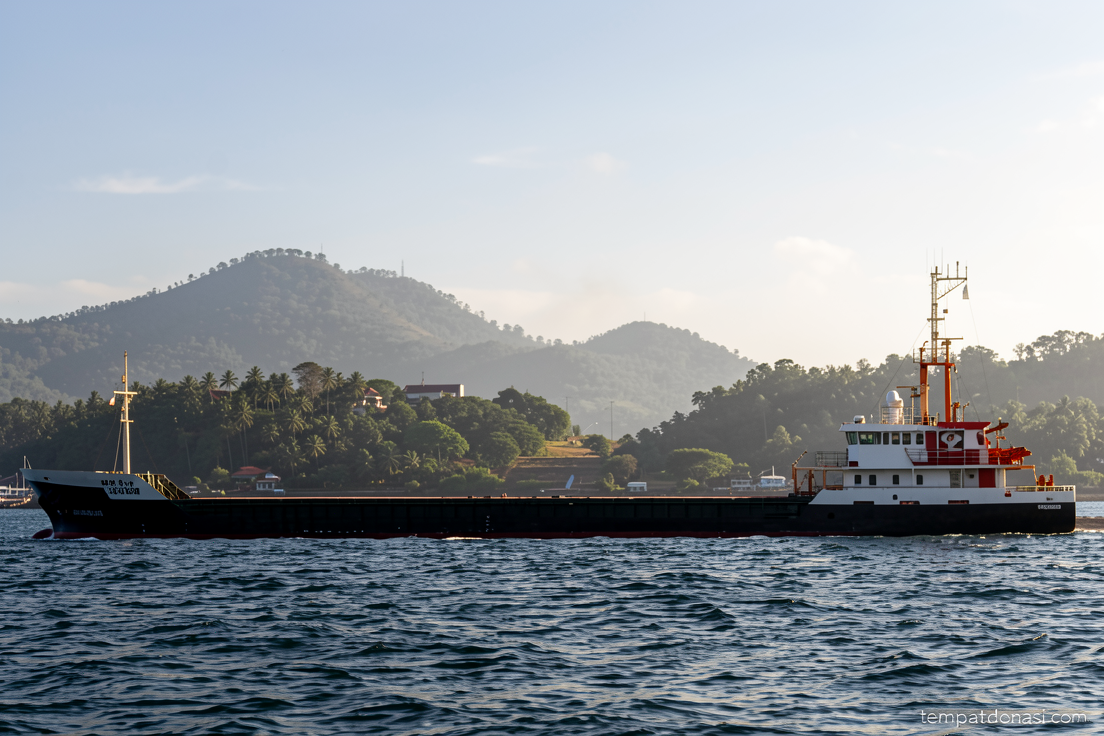
Robert Brovdi, who commands Kyiv’s drone forces and is widely recognized by his callsign “Magyar,” provided detailed information about the operation through a statement posted on Telegram. According to Brovdi’s announcement, the targets encompassed a diverse mix of vessels: five tankers, five cargo ships, and a single tugboat. These vessels were identified as part of Russia’s so-called “shadow fleet,” a network of ships that helps Moscow circumvent international sanctions and maintain critical supply lines.
Strategic Objectives of the Maritime Campaign
The Ukrainian military has articulated clear objectives behind these sustained attacks. Brovdi explained that the primary goals are twofold: first, to inflict damage on Russia’s shadow fleet, and second, to restrict fuel supplies reaching Moscow-controlled Crimea. The Sea of Azov serves as a crucial maritime corridor for Russian logistics, particularly for transporting energy resources to the peninsula.
The Reuters news agency reported that maritime traffic in the affected area remained limited on Tuesday, according to sources familiar with the situation. This restriction underscores the ongoing security concerns and operational challenges facing commercial and military vessels navigating the region.
Broader Context of Ukrainian Drone Operations
Ukraine claims that its forces have now struck a total of 116 Russian vessels over the past nine days in coordinated operations targeting Russian shipping throughout the Sea of Azov. This represents a significant acceleration in Ukraine’s maritime strike capabilities and demonstrates the growing effectiveness of its drone warfare strategy.
On Saturday, Ukrainian authorities announced that twenty-one Russian oil tankers had been hit in the Sea of Azov during what officials described as one of the largest Ukrainian drone strikes on Russian shipping since the beginning of the war. This earlier operation highlighted Ukraine’s ability to conduct large-scale coordinated attacks against multiple targets simultaneously.
Ukraine has substantially increased its drone-producing capacity in recent months, enabling more frequent and sophisticated operations. The country has increasingly focused its attacks on Russia’s energy infrastructure, including oil refineries and storage facilities. These strikes have caused meaningful disruption to Russia’s production capabilities while simultaneously bringing the conflict closer to Russian population centers.
Kyiv is also expanding the geographic scope of its operations, launching strikes deeper into Russian territory with greater frequency. This evolution in strategy reflects Ukraine’s growing confidence and capability in conducting long-range operations.
Russia Responds with Logistics Adjustments
In response to the intensifying Ukrainian attacks, Russia’s Agriculture Ministry announced on Tuesday that it is actively seeking alternative shipping routes for grain shipments originating from the Sea of Azov. The ministry acknowledged the challenges posed by Ukrainian strikes on regional shipping.
“Alternative shipping routes are currently being worked out in collaboration with relevant agencies and the business community,” Russia’s agriculture ministry stated in an official announcement.
The ministry emphasized that Russian exports would continue without significant interruption despite the maritime disruptions. Officials further assured that the situation in the Azov Sea would not negatively impact the domestic market’s food supply or the country’s overall export capabilities.
“Supply logistics will be redirected if necessary,” the ministry declared, indicating flexibility in Russia’s approach to maintaining trade flows.
At the time of reporting, Russian authorities had not confirmed whether formal restrictions on traffic in the Sea of Azov were officially in place. The lack of explicit confirmation has left some uncertainty regarding the exact nature and scope of any navigational limitations currently affecting the region.
The ongoing maritime campaign in the Sea of Azov represents a critical front in the broader conflict, with both sides adapting their strategies to achieve their respective objectives. Ukraine’s sustained pressure on Russian shipping continues to test Moscow’s ability to maintain its logistical networks while protecting vital commercial and military assets in the region.