T. Rex ‘Gus’ Sells for Record-Breaking US$50.1 Million
Historic Auction Sees T. Rex 'Gus' Fetch Record US$50.1 Million T Rex Gus Sells for Record - In a moment that has captivated both the scientific community and
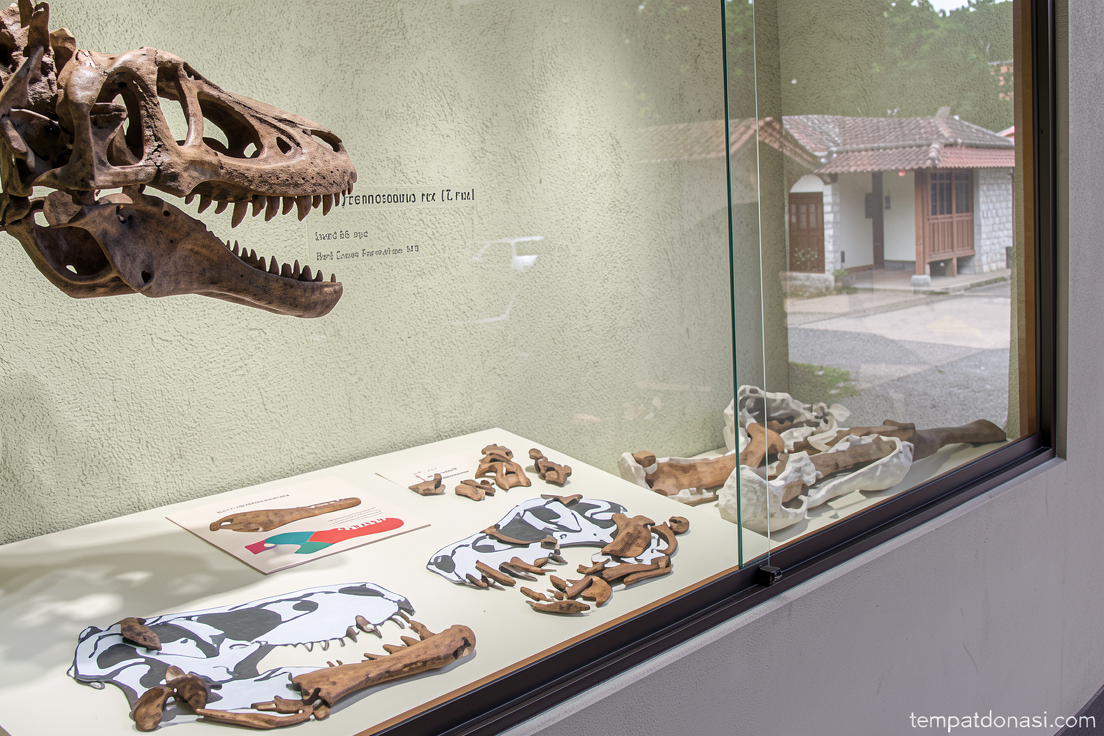
Historic Auction Sees T. Rex ‘Gus’ Fetch Record US$50.1 Million
Tempatdonasi.com – In a moment that has captivated both the scientific community and collectors worldwide, a magnificent Tyrannosaurus rex skeleton bearing the name “Gus” achieved an unprecedented price at auction. The magnificent specimen was purchased for US$50.1 million, which translates to approximately €44 million, during a session at Sotheby’s prestigious New York headquarters on Tuesday. This extraordinary transaction has established a new benchmark for dinosaur fossils sold at auction, surpassing all previous records.
The bidding process proved to be intensely competitive, lasting approximately ten minutes as seven different participants vied for ownership of the prehistoric treasure. Ultimately, the victorious buyer remained anonymous, declining to reveal their identity following the successful acquisition. This secretive purchaser now holds one of the most significant paleontological specimens ever to pass through the hands of private collectors.
Breaking Previous Records
Before this remarkable Tuesday sale, the title of the world’s most expensive dinosaur fossil belonged to a specimen named Apex. This Stegosaurus skeleton had previously commanded US$44.6 million at a Sotheby’s auction held in 2024. The new record set by Gus represents a substantial increase, demonstrating the growing appetite among wealthy collectors for prehistoric treasures.
The fossil known as Gus holds particular distinction as one of the largest and most complete T. rex specimens ever discovered by paleontologists. Its exceptional preservation and comprehensive nature make it a specimen of extraordinary scientific and commercial value. The skeleton stretches to an impressive length of 38 feet, which equals 11.6 meters, providing visitors and researchers with a true sense of the massive predator’s imposing presence.
A Discovery on South Dakota Soil
The remarkable journey of Gus began in 2021 when the fossil was unearthed on a cattle ranch located in South Dakota. The ranch was owned by the late Gary “Gus” Licking, and the fossil was subsequently named in his honor, creating a lasting connection between the landowner and his unexpected discovery. This serendipitous find transformed an ordinary piece of agricultural land into a site of paleontological significance.
According to Cassandra Hatton, who serves as vice chairman and global head of science and natural history at Sotheby’s, the specimen represents something truly special in the world of dinosaur fossils. Speaking ahead of the auction, Hatton emphasized the exceptional qualities that make Gus stand apart from other specimens.
“Gus is one of the biggest and most complete T. rex ever found,” Hatton stated, highlighting the specimen’s remarkable attributes.
Hatton further explained that what distinguishes Gus from other T. rex specimens is not merely its size, but rather the combination of factors that contribute to its overall value. She noted that the completeness of the skeleton, the quality of preservation, the impressive dimensions, and the meticulous work required to excavate and prepare the fossil all contribute to its significance. The careful preparation process involved removing surrounding rock, stabilizing bones, and reconstructing the skeleton with precision to ensure accurate representation of the animal’s original form.
Scientific and Cultural Significance
Living during the Late Cretaceous period approximately 67 million years ago, Gus roamed the Earth alongside other magnificent creatures that would eventually become extinct. This timeframe places the specimen in an era when dinosaurs dominated terrestrial ecosystems across the globe. The fossil provides valuable insights into the anatomy, behavior, and environment of one of history’s most iconic predators.
The record-breaking sale of Gus reflects a broader trend in the market for dinosaur fossils, which has experienced substantial growth in recent years. Collectors, museums, and private enthusiasts are increasingly willing to invest significant sums in prehistoric specimens. However, this growing commercial interest has not gone unnoticed by the scientific community. Several researchers have expressed concerns about the implications of specimens being removed from public institutions and held in private collections, where access for scientific study may be limited.
The auction of Gus comes at a time when paleontological discoveries continue to generate public interest and scientific advancement. Recent studies have highlighted how even small fossil specimens can provide crucial evolutionary insights, as noted in coverage of a study examining tiny dinosaur fossils for clues about evolutionary relationships. These various discoveries collectively demonstrate the ongoing importance of fossil research in understanding the history of life on Earth.
As the market for dinosaur fossils continues to evolve, the sale of Gus represents not only a financial milestone but also a cultural moment that bridges the gap between scientific discovery and public fascination with the prehistoric world. Whether the specimen will eventually find its way to a museum or remain in private hands remains to be seen, but its impact on the field of paleontology and the world of collecting is already undeniable.