Taiwan Opposition Leader Heads to US
ads to US Taiwan Opposition Leader Heads to US - Cheng Li-wun, the leader of Taiwan’s Kuomintang (KMT) party, is set to embark on a two-week diplomatic
Taiwan Opposition Leader Heads to US
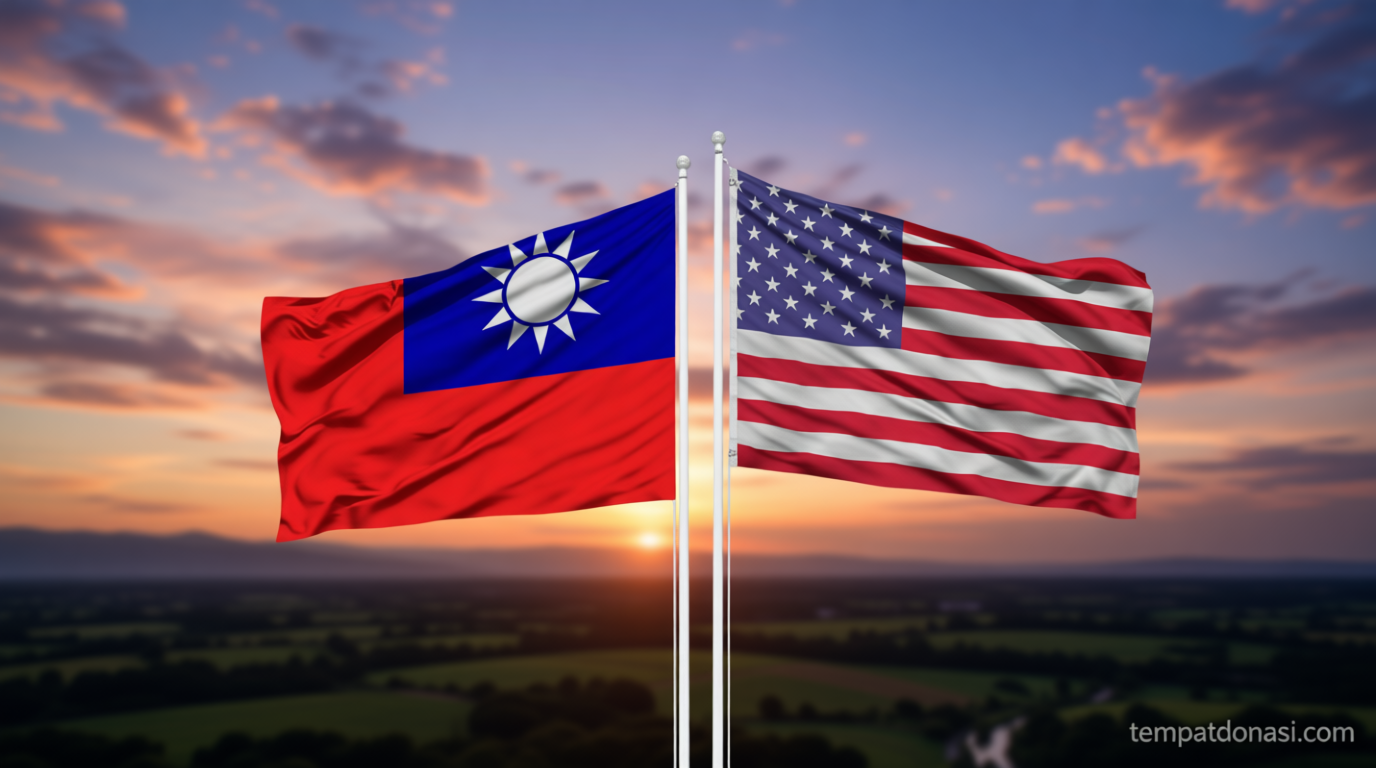
Tempatdonasi.com – Cheng Li-wun, the leader of Taiwan’s Kuomintang (KMT) party, is set to embark on a two-week diplomatic mission to the United States, as confirmed by DW. The visit, which follows a recent trip to China, marks a strategic move in her efforts to strengthen ties with the U.S. and promote cross-strait cooperation. This journey comes amid heightened political tensions and evolving dynamics between Taiwan and its neighbors, with Cheng’s presence in Washington, D.C., likely to draw attention from both American officials and international observers.
Cheng Li-wun’s China Visit and Reconciliation Goals
Two months prior to her U.S. trip, Cheng traveled to mainland China, where she met with President Xi Jinping. During the meeting, she emphasized the necessity of fostering “reconciliation across the Strait and creating regional prosperity and peace,” underscoring her commitment to bridging divides between Taiwan and China. China, which considers the island a breakaway province, has consistently maintained its claim over Taiwan and has not dismissed the option of using military force to reunify the territory. Cheng’s visit to Beijing highlights her balancing act between supporting Taiwan’s autonomy and engaging with China’s leadership to advance shared interests.
Cheng Li-wun’s Role in Taiwan’s Defense Strategy
Cheng’s upcoming visit to the U.S. is expected to focus on Taiwan’s defense policies, particularly her stance on a recent government proposal to allocate nearly $40 billion for military spending. This initiative includes purchases of U.S. arms, which has drawn scrutiny from Beijing. As Taiwan’s primary military ally, the United States has positioned itself as a critical player in the island’s security, and Cheng is anticipated to address questions about her role in opposing the plan. Analysts suggest her visit may serve as an opportunity to clarify her position and align with American priorities.
“I am of course very willing [to meet with Trump],” Cheng stated during a press conference. She reiterated her openness to engaging with leaders who are “conducive to peace” and possess strong authority, drawing a parallel to her meeting with Xi Jinping in China. “The same applies to President Trump. Anything that is helpful to peace, I am willing to do; anyone who is helpful to peace, I am willing to meet — let alone the most critical decision-maker and leader, which is the president of the United States,” she added.
Expected Activities During the Visit
Cheng’s itinerary includes stops in San Francisco, Boston, New York, Washington, and Los Angeles, where she plans to meet with U.S. lawmakers, government officials, and representatives from think tanks. These interactions are expected to highlight her party’s vision for regional stability and its alignment with American strategic interests. The meetings may also serve as a platform to discuss Taiwan’s economic and political integration with the U.S. and its role in the broader Asia-Pacific landscape.
Cheng’s visit coincides with a period of increased focus on Taiwan’s position in international affairs. Her previous engagement with China, coupled with her current diplomatic efforts in the U.S., signals a shift in her approach to cross-strait relations. While China has traditionally viewed Taiwan as a territory to be reunified, Cheng’s emphasis on collaboration and peace may offer a new perspective to U.S. policymakers.
During her trip, Cheng will also address the importance of bipartisan support in the U.S. for Taiwan’s continued autonomy. Her meetings with lawmakers are likely to underscore the need for sustained backing, especially as China intensifies its influence in regional politics. The KMT leader’s engagement with think tanks and supporters may further amplify her message, fostering dialogue on Taiwan’s future and its relationships with global powers.
Broader Implications of Cheng’s Diplomatic Outreach
Cheng’s U.S. visit carries significant implications for the delicate balance of power in the Indo-Pacific region. By positioning herself as a bridge between Taiwan and China, she aims to secure deeper U.S. trust in her party’s ability to contribute to regional peace. This strategy aligns with the broader goal of ensuring Taiwan’s security while maintaining economic ties with mainland China.
Her participation in high-level discussions with American officials could influence the U.S. decision-making process regarding Taiwan’s status. The KMT’s emphasis on reconciliation and regional prosperity may resonate with lawmakers seeking to counter China’s growing assertiveness. Meanwhile, the trip is seen as a way to strengthen Taiwan’s international image and reinforce its role as a key player in cross-strait diplomacy.
Cheng’s interactions with Trump, in particular, are likely to highlight the U.S.’s commitment to supporting Taiwan’s defense capabilities. As the most prominent leader in the island’s political landscape, her ability to navigate these discussions will be crucial in shaping future U.S.-Taiwan relations. The meeting may also serve as a symbolic gesture, reinforcing the U.S. stance on Taiwan’s autonomy and its importance in the global balance of power.
While Cheng’s visit is focused on fostering dialogue, it also reflects the broader political climate. Taiwan’s independence is a sensitive issue, and her efforts to engage with the U.S. are part of a larger campaign to ensure the island’s sovereignty. The $40 billion military spending plan, which she previously opposed, remains a central topic of debate, with Cheng’s new stance potentially signaling a shift in her party’s approach to defense and security.
Cheng’s diplomatic journey underscores the complexity of cross-strait relations and the strategic importance of Taiwan in U.S. foreign policy. As she travels across the country, her actions will be closely watched for their impact on regional stability and the ongoing negotiations between Taiwan and China. Her visit may also provide insights into the future of Taiwan’s political landscape, as the KMT seeks to position itself as a vital partner in the U.S. for peace and prosperity.
Readers interested in further developments should note the related article on Taiwan’s recent engagement with President Trump, which explores the potential for direct talks between Taipei and Beijing. This piece, available on Google News, offers additional context on the evolving dynamics of U.S.-Taiwan-China relations and the role of political leaders in shaping them.
Cheng Li-wun’s visit to the U.S. is not only a strategic move but also a demonstration of her party’s commitment to multilateral engagement. By addressing both defense and diplomacy, she aims to solidify Taiwan’s position as a key ally and partner in the region. The outcome of her meetings may influence the next steps in cross-strait negotiations and the broader geopolitical strategy in the Indo-Pacific.
As the trip unfolds, observers will be keen to see how Cheng navigates the delicate balance between Taiwan’s autonomy and China’s territorial claims. Her ability to present a unified front in favor of regional peace and prosperity could determine the success of her diplomatic mission. The U.S. remains Taiwan’s most steadfast ally, and Cheng’s efforts to strengthen this relationship are expected to be a central theme of her visit.
In conclusion, Cheng Li-wun’s U.S. trip represents a pivotal moment in the ongoing dialogue between Taiwan and its neighbors. By leveraging her position as a leader, she aims to foster cooperation, secure support, and advance the island’s interests on the global stage. The outcomes of her meetings with American officials will undoubtedly shape the future of cross-strait relations and the broader geopolitical landscape.