Indonesia Urged to Recognize Corruption as a Human Rights Violation
The National Human Rights Commission of Indonesia, known locally as Komnas HAM, has put forward a significant proposal regarding the upcoming amendments to
Indonesia Urged to Recognize Corruption: Human Rights Body Advocates for Corruption Recognition in Indonesian Law Tempatdonasi.com – The National Human
Human Rights Body Advocates for Corruption Recognition in Indonesian Law
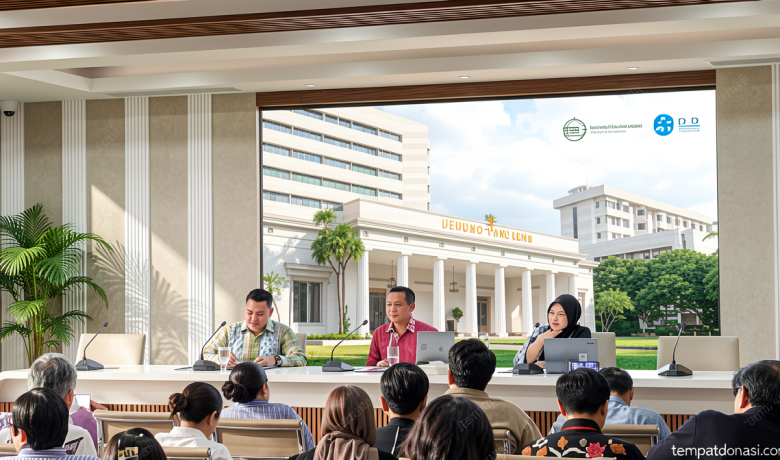
Tempatdonasi.com – The National Human Rights Commission of Indonesia, known locally as Komnas HAM, has put forward a significant proposal regarding the upcoming amendments to the nation’s Corruption Eradication Law. This proposal urges lawmakers to formally acknowledge corruption not merely as an economic offense, but as a serious breach of human rights. The recommendation specifically targets the legal framework established under Law No. 31 of 1999, which was subsequently modified by Law No. 20 of 2001 concerning the eradication of corrupt practices.
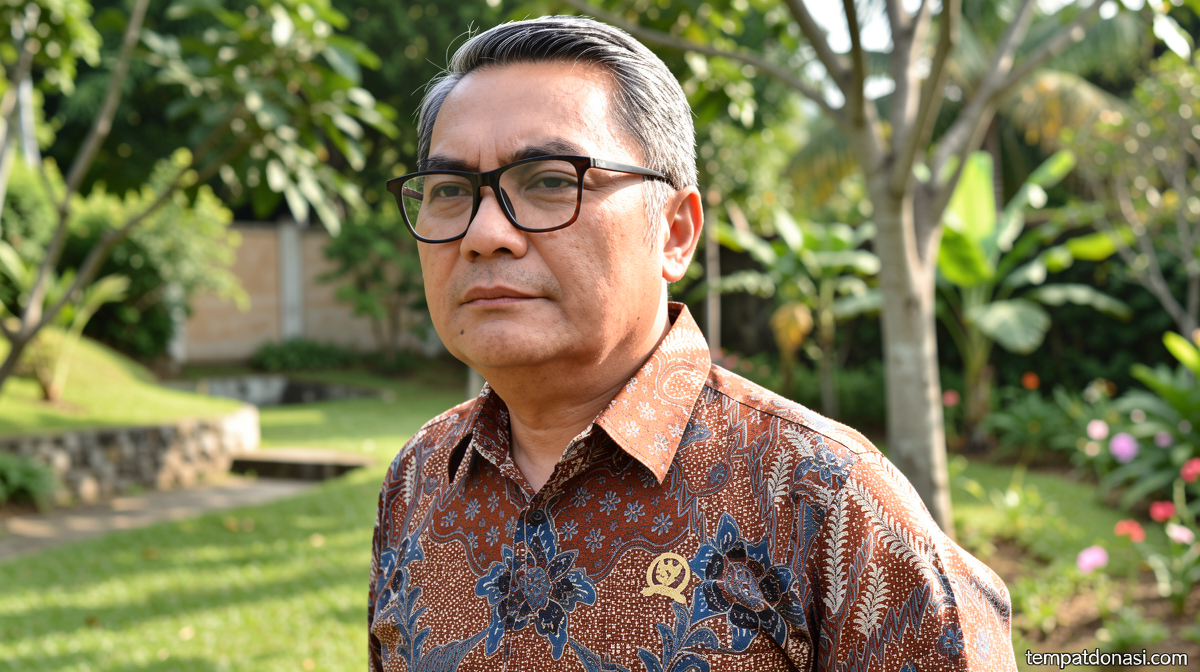
At the heart of Komnas HAM’s position is the understanding that corruption generates a wide spectrum of victims beyond just the government treasury. These collective victims suffer from diminished rights that demand proper restoration and compensation. Uli Parulian Sihombing, who serves as a commissioner responsible for study and research within the commission, highlighted that their institution has accumulated numerous complaints demonstrating this broader impact.
“International human rights law has also recognized corruption as a form of human rights violation,” Uli stated during the presentation of their comprehensive research. The study, titled “Corruption and Recovery of Human Rights Violations: Promoting a Human Rights-Based Approach in Eradicating Corruption,” was officially launched on Tuesday, July 21, 2026.
Beyond Financial Loss: The Human Cost of Corruption
According to Uli, the existing legislative framework in Indonesia treats corruption primarily through an economic lens. He pointed out that Article 2 of the current law defines corrupt acts specifically as those causing financial damage to state coffers. This definition effectively positions the government as the sole or primary victim of corruption, overlooking the everyday citizens who bear the consequences.
The commissioner explained that ordinary people experience corruption in multiple ways. These include restricted access to quality education, degradation of the natural environment, and significant delays in receiving essential public services. Infrastructure projects also suffer from these delays, affecting communities for years. Uli emphasized that these varied impacts create a need for comprehensive recovery mechanisms.
“Corruption causes victims ranging from the loss of access to education, environmental destruction, to delays in accessing public services and infrastructure. Therefore, recovery efforts for affected victims are necessary,” he articulated clearly.
Furthermore, Uli noted that the present legal structure fails to provide adequate protection for the rights of corruption victims. This gap leaves collective victims without proper legal standing to pursue accountability when their rights have been violated through corrupt practices.
Aligning National Legislation with International Standards
Uli Parulian Sihombing, who previously held the position of director at the Jakarta Legal Aid Institute, stressed the importance of bringing Indonesia’s Corruption Eradication Law into harmony with established human rights principles. He specifically mentioned the United Nations Convention Against Corruption (UNCAC) as a key international benchmark that should guide domestic reforms.
The commission’s research revealed that Article 1 Paragraph (6) of Indonesia’s Human Rights Law already includes provisions that could support classifying corruption as a human rights violation. This existing legal foundation provides a strong basis for the proposed amendments. Uli concluded that harmonizing the Corruption Law with both human rights principles and the UNCAC would create a more robust legal system.
Parliamentary Considerations Underway
Meanwhile, the legislative process has already begun. DPR Commission III, the parliamentary body responsible for overseeing legal matters, initiated limited discussions on revising the Corruption Eradication Law in May 2026. Despite these ongoing deliberations, the commission has kept the specific provisions slated for amendment under wraps.
Tempo reached out to two members of DPR Commission III, namely Nasir Djamil and Hasbiallah Ilyas, to gather their perspectives on Komnas HAM’s recommendations. As of the time of publication, neither member had provided formal responses to the inquiry.
This development comes at a crucial moment for Indonesia’s anti-corruption efforts. By recognizing corruption as a human rights violation, the country could establish new pathways for victim compensation and strengthen its legal framework against corrupt practices. The upcoming revisions will likely reflect these evolving perspectives on what constitutes justice for those affected by corruption.
Related SEO Topics
- Home
- Artikel terkait Indonesia Urged to Recognize Corruption
- Demi Menjawab Kebutuhan Masyarakat, DPR Pastikan Pembahasan RUU Tetap Berjalan Selama Reses
- Jelajah Batu Secret Zoo dan Jatim Park 1 dalam Sehari, Ini yang Perlu Disiapkan
- Japan Issues Extreme Heat Warning
- BGN Umumkan 5 Pejabat Baru yang Ditunjuk Langsung Presiden
Frequently Asked Questions
What is Indonesia Urged to Recognize Corruption?
Indonesia Urged to Recognize Corruption is the main topic covered in this article, with practical context to help readers understand the subject clearly.
Why does Indonesia Urged to Recognize Corruption matter?
Indonesia Urged to Recognize Corruption matters because it helps readers compare options, avoid common mistakes, and make a more informed decision.
How should readers use this Indonesia Urged to Recognize Corruption guide?
Use the key points, examples, and related links in this page as a starting point, then review the latest details before making a final decision.