US Fed Raises Key Rate for First Time in 3 Years
The US Federal Reserve has increased its key interest rate by 25 basis points, pushing its target range to 3.75% to 4.00% as policymakers seek to bring
Federal Reserve Lifts Benchmark Rate as Inflation Concerns Take Priority
Tempatdonasi.com – The US Federal Reserve has increased its key interest rate by 25 basis points, pushing its target range to 3.75% to 4.00% as policymakers seek to bring inflation back under control. The decision marks the first rate increase in three years and signals that the central bank remains focused on price pressures despite political calls for substantially lower borrowing costs.
The action was approved unanimously on Wednesday. It comes as the United States contends with several forces affecting prices and economic confidence, including global import tariffs introduced by President Donald Trump, an energy shock connected to the US-Israeli war with Iran, and heavy capital spending tied to the artificial intelligence boom.
For households, the immediate effect will be most visible in borrowing costs. Consumers financing major purchases, including homes, vehicles, and large household appliances, may face higher interest charges. People carrying credit card balances could also see their monthly payments and total repayment costs rise as lenders adjust rates.
Price Stability Remains the Fed’s Main Focus
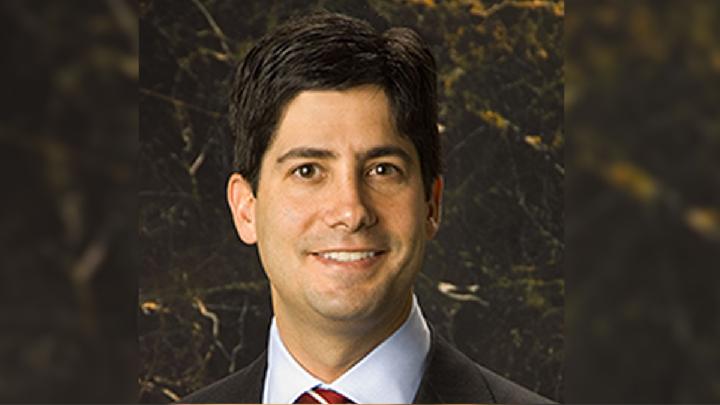
Federal Reserve Chair Kevin Warsh said the increase reflected the institution’s assessment that inflation has remained above acceptable levels for too long. Warsh has led the Fed since May and previously told Congress during his confirmation process that the central bank would not accept persistent inflation.
“Our predominant focus is on the price stability side of our mandate. The plain fact is that inflation is too high, and has been for too long,” Warsh told a press conference.
The Fed’s formal inflation objective is 2%. Raising interest rates is one of its main tools for cooling demand across the economy. Higher borrowing costs can discourage spending and investment, which may ease pressure on prices over time. However, the effect is not immediate, and the same policy can make loans more expensive for households and businesses.
“Today’s policy action will support a timelier return to the committee’s 2% goal,” Warsh added.
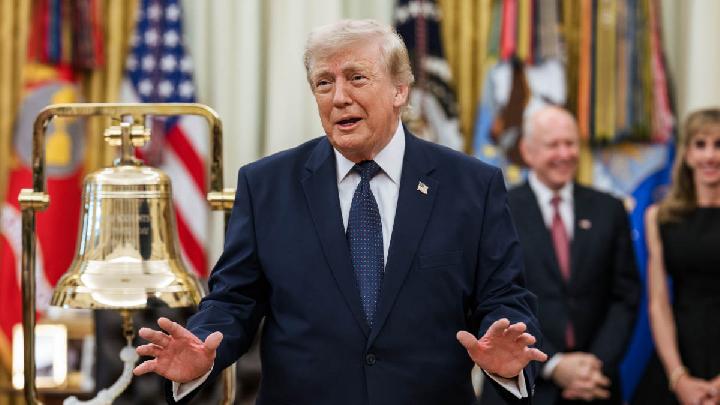
The decision places the central bank at odds with Trump, who has repeatedly argued that US rates should be lower. During his 2024 election campaign, Trump promised to bring down prices, but the economic environment following his inauguration has produced new inflation-related challenges.
Trump Calls for Rapid Rate Cuts
Following the announcement, Trump said interest rates should be at 1% or below and urged the Fed to reduce them quickly. He also described the Federal Reserve board as hostile and politically motivated.
“I … talked to Kevin,” Trump said. “And I said you might as well vote with the board because it’s not going to matter. The board is very hostile. They’re very political. They’re doing the wrong thing.”
Trump had nominated Warsh to become Fed chair, prompting speculation about whether the new leader would align the central bank more closely with the president’s preferred approach. Wednesday’s unanimous decision instead underscored Warsh’s stated commitment to the Fed’s independent role.
Central bank independence is intended to allow policymakers to make decisions based on inflation, employment, financial conditions, and the broader economic outlook rather than short-term political demands. The Fed’s rate-setting decisions often affect public sentiment because they influence mortgages, auto financing, business credit, savings returns, and the cost of revolving debt.
Warsh Defends the Central Bank’s Independence
Warsh said the latest move was determined by the Federal Reserve’s own evaluation of economic conditions, rather than by market movements or political pressure.
“We made this decision today based on our assessment of the situation,” he said. “I’ll observe market prices and see what they have to say. But today was our decision.”
He also emphasized that the institution should remain within the boundaries of its monetary policy responsibilities. Trade measures and fiscal decisions, he indicated, belong to other parts of government.
“Part of the independence of the Federal Reserve is we stay in our lane,” Warsh said. “We let people that do trade policy and fiscal policy stay in their lane too. That’s how we can stand up here and call them the way we see them.”
The comments illustrate the tension surrounding the rate increase. The administration wants lower rates to reduce financing costs and potentially support spending, while the Fed is prioritizing the risk that inflation could become more entrenched if policy is loosened too soon.
What the Change Means for Borrowers and Savers
Rate increases generally take time to filter through the economy. Borrowers with variable-rate products may feel the impact sooner than people with fixed-rate loans. New applicants for loans may find that financing a home, car, or other large purchase costs more than it did before the Fed’s decision.
Credit card users are among those most likely to notice higher costs, especially when balances are not paid in full each month. As interest rates rise, a larger share of a payment can go toward interest rather than reducing the original debt.
At the same time, the move may offer an advantage to savers. Financial institutions can raise returns on savings accounts and certificates of deposit when benchmark rates climb. The benefit will vary by bank and product, so consumers may need to compare available rates to see whether their savings are receiving improved returns.
Household debt payments remain relatively low overall when measured against after-tax income, limiting the short-term burden for many families. Even so, the impact can be more pronounced for households carrying high-interest credit card debt or preparing to make a major financed purchase.
The Fed’s latest increase makes clear that inflation remains the central issue guiding monetary policy. Future decisions will depend on whether price pressures begin moving more convincingly toward the 2% target and how broader economic conditions develop.
Related Reading
Frequently Asked Questions
What is US Fed Raises Key Rate for First?
US Fed Raises Key Rate for First is the main topic of this guide. The article explains the context, practical details, and next steps readers should understand.
Why does US Fed Raises Key Rate for First matter?
US Fed Raises Key Rate for First matters because readers are looking for a useful answer, not just a short summary. Good content should match search intent and help them decide what to do next.