Tempo Joins Bangkok Climate Action Week 2026
Climate action, economic inequality, and environmental accountability took center stage at Chulalongkorn University in Bangkok on Tuesday, October 6, 2026, as
Regional Climate Debate Focuses on New Economic Paths at Bangkok Gathering
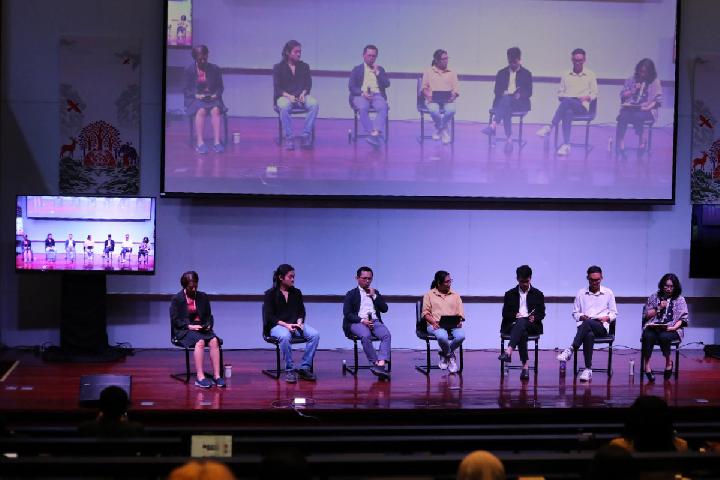
Tempatdonasi.com – Climate action, economic inequality, and environmental accountability took center stage at Chulalongkorn University in Bangkok on Tuesday, October 6, 2026, as Tempo convened a day of discussions during Bangkok Climate Action Week 2026.
The regional event, known as BKKCAW, began on Saturday, October 3, and is scheduled to continue through Monday, October 11. More than 300 activities are being held across the gathering, bringing together campaigners, academics, journalists, policy thinkers, and community representatives to discuss the climate crisis in Southeast Asia.
Tempo organized its panel series with Chulalongkorn University’s Knowledge Hub for Regional Anti-corruption and Good Governance Collaboration, or KRAC. Trend Asia, Auriga Nusantara, and Celios also joined as partners.
Questioning conventional development
The opening presentation was delivered by Torplus Yomnak, an associate professor at Chulalongkorn University’s Faculty of Economics. He called on countries in Southeast Asia to reconsider long-standing assumptions about growth, development, and prosperity as climate and ecological pressures intensify.
That challenge ran through the day’s conversations: whether economic progress can be measured solely through expansion and consumption when environmental damage and social disparities continue to deepen.
Xiaoting Hou-Jones of the Doughnut Economics Action Lab, or DEAL, expanded on that question. She raised concerns about the continuing problem of cross-border haze and the limited willingness of governments and companies to take forceful action against it.
The Doughnut Economy framework examines how societies can meet people’s essential needs without exceeding ecological limits. Xiaoting said the model can help expose the consequences of current economic choices, including ecological harm and widening inequality.
If we understand and start asking those questions, then we can begin to reimagine what the answers are to address the problems we are currently facing.
Her remarks encouraged participants to look beyond short-term fixes and consider how systems of production, investment, energy use, and land management affect both people and the planet. For Southeast Asia, such discussions carry particular relevance because environmental impacts often cross national borders, as illustrated by regional smog episodes and other shared ecological challenges.
From ideas to a just transition
A later panel explored how the shift in thinking promoted by DEAL could be translated into practical action. Xiaoting was joined by Aidy Halimanjaya of Just Transition.ID, Bhima Yudhistira of Celios, and Kynan Tegar, an environmental activist and filmmaker from the Dayak Iban Indigenous community.
The discussion placed the idea of a just transition at the center of climate policy. A transition is not only about cutting emissions or changing energy systems; it also raises questions about who benefits from economic change, who bears its costs, and whether affected communities have a meaningful role in decisions shaping their futures.
Indigenous communities, workers, and residents living near resource extraction or development projects can experience the effects of environmental change directly. Including those perspectives in public debate can help clarify the human consequences that may be overlooked in broader economic planning.
Journalists share regional reporting
Another session brought together media representatives from several countries to examine the human and environmental costs associated with rapid development. Participants came from Thailand’s Bangkok Tribune, the Philippines’ Rappler, Malaysia’s Malaysiakini, East Timor’s ABC Timor Leste, Bangladesh’s CMPO, and Indonesia’s Tempo.
Through field reporting and investigative work, the journalists discussed how major development projects can affect communities and ecosystems. Their exchange highlighted the role of independent reporting in documenting impacts that may not be visible in official economic indicators or corporate announcements.
For readers, this focus is significant because climate issues are often experienced locally before they are reflected in national policy. Reporting from affected areas can connect wider debates about growth and sustainability with the daily realities of livelihoods, land, health, and environmental security.
Community and policy responses
The final panel turned toward possible responses to the structural problems raised throughout the program. Speakers included Timer Manurung of Auriga Nusantara, Akino M. Tahir of Just Transition.ID, Amalya Reza of Trend Asia, and Wasana Chokchiwa of EarthRights International Thailand.
The panel considered the importance of solutions that link community action with policy reform. Addressing environmental damage may require changes at many levels, from local organizing and public oversight to corporate accountability and government decision-making.
The day concluded with remarks from Tempo Digital CEO Wahyu Dhyatmika, who stressed the importance of Bangkok Climate Action Week as a forum for regional cooperation. He said the discussion of alternative economic systems was central to the event’s purpose.
How do we face the existing limitations so that this planet is sustainable while still distributing economic prosperity to everyone?
Wahyu acknowledged that putting such ideas into practice demands both courage and a substantial change in outlook. His closing message emphasized collective responsibility among regional stakeholders and echoed the international cooperation on display during BKKCAW 2026.
We can change the future if we collaborate.
As the climate gathering continues, the discussions in Bangkok underline a broad challenge for the region: creating pathways to prosperity that do not come at the expense of ecological stability or leave vulnerable communities behind.
Related Reading
Frequently Asked Questions
What is Tempo Joins Bangkok Climate Action Week 2026?
Tempo Joins Bangkok Climate Action Week 2026 is the main topic of this guide. The article explains the context, practical details, and next steps readers should understand.
Why does Tempo Joins Bangkok Climate Action Week 2026 matter?
Tempo Joins Bangkok Climate Action Week 2026 matters because readers are looking for a useful answer, not just a short summary. Good content should match search intent and help them decide what to do next.