
India Seeks to Deepen Relations with Indonesia as Modi’s Visit Approaches
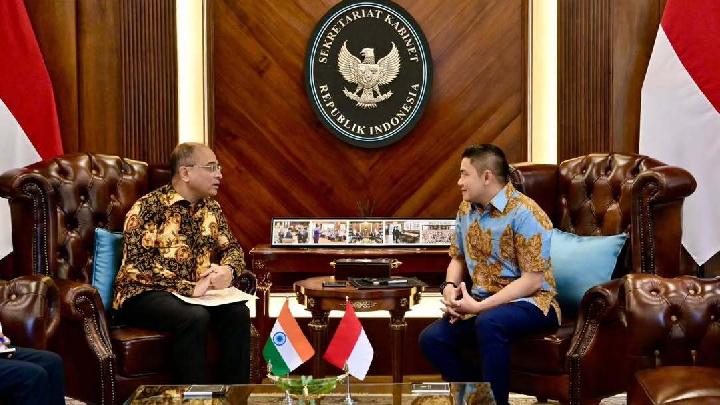
India Keen to Bolster Ties – On June 16, 2026, Indian Ambassador to Indonesia Shri Sandeep Chakravorty visited Jakarta, where he met with Cabinet Secretary Teddy Indra Wijaya at the latter’s office. The encounter, which took place amid growing anticipation for Prime Minister Narendra Modi’s upcoming visit, highlighted the shared interest in expanding bilateral cooperation. The meeting was shared publicly via the Cabinet Secretariat’s Instagram account, @catatanseskab, offering a glimpse into the diplomatic preparations underway.
Strategic Partnership and Diaspora Engagement
During their discussion, Ambassador Chakravorty emphasized the potential of Indonesia-India ties, citing the significant presence of the Indian diaspora in the country. “India’s population exceeds 1.4 billion, with approximately 150,000 community members residing in Indonesia,” the statement noted. This demographic connection, he argued, could serve as a foundation for deeper cultural and economic integration. The dialogue also touched on the planned visit by Modi, which is set to occur later this year and is anticipated to mark a pivotal moment in the two nations’ relationship.
“The visit is expected to serve as a significant milestone in strengthening the strategic partnership between Indonesia and India, which has been established for 76 years, as well as opening up closer cooperation opportunities across various sectors,” the statement added.
Teddy Indra Wijaya, in turn, acknowledged the importance of leveraging this historical partnership to address contemporary challenges. The two officials, dressed in traditional batik attire—Wijaya in a blue short-sleeved shirt and Chakravorty in a brown long-sleeved version—were joined by a staff member during the meeting, underscoring the level of diplomatic attention being given to the collaboration.
Historical Foundations of Bilateral Ties
India’s eagerness to solidify ties with Indonesia is rooted in a long-standing diplomatic relationship that dates back to 1949, when the two countries established formal diplomatic connections following Indonesia’s independence. Over the decades, their partnership has evolved, particularly in recent years as both nations recognized mutual economic and strategic benefits. President Prabowo Subianto’s visit to India in January 2025 further reinforced this commitment, during which he participated as the chief guest at India’s 76th Republic Day celebrations.
Prabowo’s meeting with Modi in New Delhi, held at Hyderabad House, underscored the significance of strengthening ties. In a press statement after the bilateral session, Prabowo highlighted the need to accelerate economic collaboration, stating, “We will prioritize this relationship for the sake of a highly valued long-term strategic partnership.” His directive to streamline bureaucratic processes and reduce regulatory burdens aimed to create a more favorable environment for Indian businesses investing in Indonesia.
Future Collaboration and Sectoral Focus
The upcoming Modi visit is expected to catalyze progress in several critical areas, including trade, investment, tourism, energy, and technology. Officials have stressed the importance of fostering innovation through digital technology and artificial intelligence, sectors where India and Indonesia are poised to benefit mutually. The collaboration is also expected to enhance infrastructure development, with Prabowo personally inviting Indian business leaders to contribute to Indonesia’s growth.
Analysts suggest that the focus on infrastructure aligns with Indonesia’s goal of modernizing its economy while tapping into India’s expertise in engineering and logistics. Additionally, the two nations have shown interest in expanding tourism, recognizing the potential to boost cultural exchanges and economic activity. Energy cooperation, particularly in renewable sources, is another priority, as both countries seek sustainable development paths.
The Indo-India partnership has gained momentum amid regional geopolitical shifts, with both nations positioning themselves as key players in Asia-Pacific trade and security. The 76-year history of cooperation provides a strong framework, but recent developments indicate a renewed emphasis on practical outcomes. The Modi visit is likely to formalize agreements on joint ventures and mutual support in global initiatives, such as climate action and digital transformation.
Public Engagement and Symbolism
The visibility of the visit on the Cabinet Secretariat’s social media platform reflects the growing public interest in Indo-India relations. By sharing images of the meeting, officials are not only documenting the event but also reinforcing its symbolic value. The choice of batik clothing by both Wijaya and Chakravorty added a cultural dimension to the dialogue, highlighting the shared heritage between the two nations.
Such gestures are part of a broader strategy to build trust and visibility. The Indonesian government has been proactive in promoting its economic potential to Indian investors, while India has sought to position itself as a reliable partner in Southeast Asia. As the Modi visit approaches, both sides are expected to showcase their commitments through concrete actions and policy initiatives.
India’s recent actions, such as blocking Telegram ahead of a national exam, have also drawn attention to its regulatory approach. While this move has sparked debate, it underscores the government’s focus on controlling digital platforms to ensure stability. The same determination is being applied to its bilateral relations with Indonesia, where the goal is to balance regulatory oversight with economic opportunity.
In conclusion, the anticipated Modi visit represents a critical juncture for Indo-India ties. Through high-level meetings, strategic planning, and public engagement, both nations are working to translate their historical partnership into tangible benefits. The combined efforts of their leaders, along with the involvement of business communities, signal a promising future for collaboration in trade, technology, and infrastructure development.
Read more: India Blocks Telegram Ahead of Nationwide Entrance Exam
Stay updated with the latest news from Tempo on Google News.