
South Korea to Shrink Security Buffer Zone to North Korea
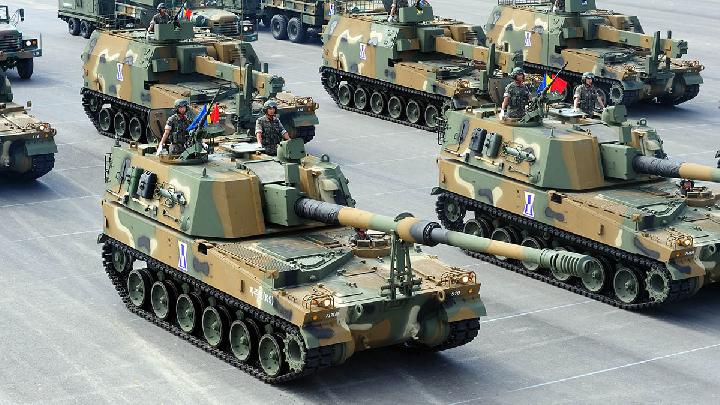
South Korea to Shrink Security Buffer – South Korea’s Defense Ministry has announced plans to reduce the size of the Civilian Control Line (CCL), a military-protected buffer zone near the border with North Korea, beginning in 2027. The change aims to grant farmers and residents greater access to land in the area, according to reports by DW. This adjustment follows growing calls for a more flexible approach to managing the border, balancing security concerns with economic and social development.
Key Details of the Policy Change
The CCL, a strip of land under military control, will be narrowed from its current 10-kilometer width to an average of 6 kilometers. This shift reflects a broader strategy to adapt to shifting security dynamics, as the ministry acknowledges the need for modernized measures. Defense Minister Ahn Gyu-back stated that the decision was driven by the desire to improve the efficiency of military operations while addressing the practical challenges faced by civilians living near the border.
“The CCL was established to restrict civilian access and guarantee military operations, but there have been growing calls for a need to complement its actual control measures,” Ahn said. “We have come up with an adjustment plan for the CCL to adapt to future security environments amid shrinking military manpower, while ensuring operational conditions.”
Impact on Daily Life
Residents in border regions have long required military approval to cultivate or reside on land within the CCL. This requirement has imposed logistical hurdles and economic burdens on local communities. Analysts note that these restrictions have limited opportunities for agricultural development and hindered infrastructure projects, creating a sense of frustration among those affected.
Councilor Park Heung-yeol of Ganghwa County, for instance, highlighted that even construction on privately owned land within the controlled zone necessitates military clearance. “This process can be slow and cumbersome,” he told AFP. “It restricts the ability of families to improve their properties or expand their businesses.” The policy change is expected to alleviate some of these constraints, enabling more streamlined use of the land for farming and other activities.
The Civilian Control Line Explained
The CCL, also known as the Civilian Control Line, was established after the 1950-53 Korean War to serve as a security barrier between the two Koreas. While the war officially ended with an armistice, it remains technically unresolved, leaving the region in a state of perpetual tension. The CCL is positioned south of the Military Demarcation Line, which marks the actual border between the countries.
Historically, the buffer zone has extended up to 7 kilometers in the western region and 10 kilometers in the eastern area, creating a varying width across the border. This arrangement has allowed the South Korean military to monitor and control movement in the region, ensuring readiness for potential conflicts. However, the new proposal seeks to simplify this setup, reducing the buffer zone’s size to a more uniform standard.
Economic and Social Implications
The ministry emphasized that the revised CCL will not compromise military preparedness. Instead, it aims to foster regional development by enabling greater civilian use of the land. “We will enable regional development to the extent that it does not interfere with military operations,” Ahn said. This statement underscores the government’s intent to harmonize security with economic growth.
Local officials, including Mayor Kim Deok-hyeon of Yeoncheon County, have expressed optimism about the policy. Kim noted that the measures would “significantly alleviate the inconvenience faced by local farmers,” allowing them to expand agricultural activities without constant bureaucratic delays. The simplification of flight approval procedures for agricultural drones is one such change that promises to ease the process of managing land in the area.
Broader Context and Related Developments
The decision to shrink the CCL comes amid broader efforts to ease tensions on the Korean Peninsula. Last year, South Korea removed loudspeakers used to broadcast K-pop music and news updates into the North, a move designed to reduce psychological pressure on North Korean civilians. This step was part of a diplomatic initiative under the Lee Jae Myung administration to improve relations with its diplomatically isolated, nuclear-armed neighbor.
Analysts suggest that the CCL adjustment is unlikely to provoke strong opposition from Pyongyang. Since the policy focuses on areas within South Korea’s territory, it minimizes direct confrontation with North Korea. However, the long-term implications of this change remain a topic of discussion, particularly regarding the balance between security and economic integration.
Residents’ Reactions and Future Prospects
Residents in border regions have largely welcomed the policy shift, viewing it as a step toward greater autonomy. The easing of restrictions could stimulate local economies by encouraging investment in agriculture, tourism, and small-scale industries. “This will allow us to develop our land more effectively,” said a local farmer, highlighting the potential benefits of the new approach.
Despite the positive reception, some concerns persist. The reduction of the buffer zone may require additional security measures to compensate for the decreased physical separation. For example, the ministry may need to enhance surveillance technologies or increase patrols to maintain readiness. Nonetheless, the move is seen as a pragmatic response to the challenges of maintaining security with a shrinking military force.
As the policy takes effect in 2027, it will mark a significant evolution in South Korea’s approach to border management. The CCL’s shrinkage represents a symbolic shift from a purely defensive posture to a more collaborative framework, where civilians and military interests can coexist more smoothly. This change could pave the way for further diplomatic and economic initiatives, fostering a more integrated relationship between the two Koreas in the years to come.
Read more about South Korea’s Yoon administration and its diplomatic efforts on Google News for the latest updates.