Philippines Leads Push to Establish ASEAN Coast Guard Forum
ish ASEAN Coast Guard Forum Philippines Leads Push to Establish ASEAN - As the current ASEAN chair, the Philippine Coast Guard (PCG) has spearheaded efforts
Philippines Leads Push to Establish ASEAN Coast Guard Forum
Tempatdonasi.com – As the current ASEAN chair, the Philippine Coast Guard (PCG) has spearheaded efforts to create the ASEAN Coast Guard Forum (ACF). This initiative aims to enhance maritime security across Southeast Asia by fostering collaboration among regional coast guard agencies and law enforcement bodies. Admiral Ronnie Gil Gavan, the PCG’s leader, emphasized the importance of uniting member states under a unified framework to tackle evolving challenges in the maritime domain.
Framework Established at Key Meeting
During the 5th ACF High-Level Meeting, held in May, delegates finalized the terms of reference for the forum’s operations. The meeting, which took place from May 3 to 4, outlined the ACF’s mandate, scope, and future objectives. According to the PCG’s statement, these foundational details were agreed upon to guide the forum’s development. The discussions also highlighted the need for a structured approach to maritime cooperation, ensuring clarity in roles and responsibilities.
“The meeting likewise adopted a joint declaration in support of the establishment and institutional recognition of the ACF. Delegates agreed for the Philippines, serving as the current ASEAN Chair, to present the concept paper and declaration to the ASEAN Summit on behalf of all member states,” the PCG noted.
ASEAN Summit Endorses Maritime Cooperation
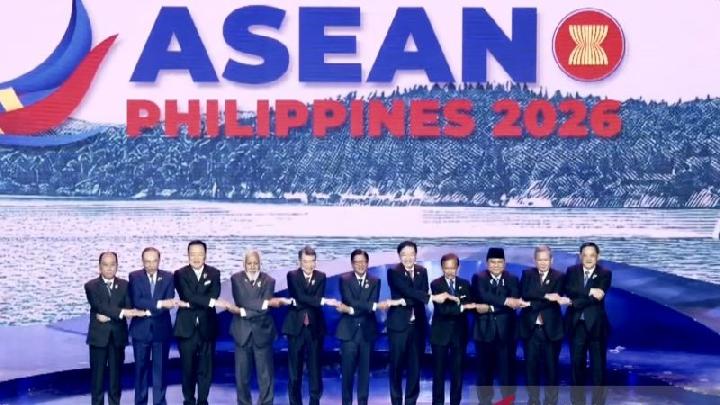
The 48th ASEAN Summit, held last May, marked a significant milestone for the ACF. Leaders of Southeast Asian nations endorsed the joint declaration, signaling their commitment to advancing maritime collaboration. This endorsement was crucial in institutionalizing the ACF as a formal entity within the ASEAN framework. The summit’s resolution laid the groundwork for a coordinated strategy to address issues such as piracy, illegal fishing, and transnational crime in regional waters.
Progress and Commitment Highlighted
The outcomes from the 5th ACF High-Level Meeting underscored the collective resolve of ASEAN nations. They emphasized a safe, secure, and rule-based maritime environment as a shared priority. Delegates acknowledged the progress made toward achieving this goal, recognizing the Philippines’ leadership in steering the initiative forward. The forum’s creation is seen as a vital step in strengthening regional security and ensuring the sustainable use of maritime resources.
“The progress achieved during the 5th ACF-HLM reflects the shared commitment of ASEAN member states towards a safe, secure, and rules-based maritime order in the region,” stated the PCG.
Future Steps and Collaborative Initiatives
Following the successful meeting, delegates agreed to establish the ACF as an entity under the ASEAN Senior Officials Meeting (SOM). This decision was made prior to the forum’s official formation within the broader ASEAN structure. The move aims to streamline coordination and ensure that the ACF operates in alignment with existing ASEAN frameworks. Additionally, the meeting reaffirmed the importance of practical cooperation among coast guards and maritime law enforcement agencies.
Participants stressed the need for dialogue, information sharing, and capacity-building programs to address emerging maritime challenges. These include everything from smuggling operations to environmental protection and disaster response. The PCG highlighted that such collaboration would enable member states to act collectively, leveraging their combined resources and expertise.
Proposed Activities and International Partnerships
During the meeting, each delegation proposed specific activities to strengthen the ACF’s impact. These included plans for regular joint exercises, standardized protocols for maritime incidents, and enhanced intelligence-sharing mechanisms. The Philippines also looked to international partnerships for support, particularly from the United Nations Office on Drugs and Crime (UNODC) and the Korea-ASEAN Maritime Security Academy project.
The UNODC initiative focuses on combating transnational maritime crimes, such as drug trafficking and human smuggling. By integrating this program, the ACF can benefit from the UN’s global expertise in addressing such issues. Meanwhile, the Korea-ASEAN Maritime Security Academy project aims to train regional personnel in advanced maritime security techniques, further bolstering the forum’s operational capabilities.
Regional Participation and Unity
The 5th ACF High-Level Meeting brought together representatives from Brunei Darussalam, Cambodia, Indonesia, Laos, Malaysia, Myanmar, the Philippines, Singapore, Thailand, Timor Leste, and Vietnam. Each country’s delegation contributed to the discussions, reflecting a broad consensus on the need for a unified approach to maritime security. The meeting’s success was attributed to the active engagement of all participants, who recognized the mutual benefits of collaboration.
Timor Leste’s involvement in the ACF highlights the country’s growing role in regional security initiatives. As a newly independent nation, Timor Leste has actively sought partnerships to strengthen its coastal defenses and maritime governance. Similarly, Vietnam and Indonesia, which have vast maritime territories, emphasized the importance of joint efforts in protecting their exclusive economic zones.
Challenges and Opportunities
The establishment of the ACF is expected to address critical challenges in the region, such as territorial disputes, environmental degradation, and the increasing threat of maritime terrorism. By creating a centralized platform for cooperation, the forum will enable member states to respond more effectively to these issues. The Philippines’ leadership in this endeavor has been instrumental in rallying support from other ASEAN nations.
Furthermore, the ACF’s framework allows for the exchange of best practices and the development of joint training programs. This will not only enhance the skills of regional coast guards but also foster a sense of unity among member states. The forum’s institutional recognition by ASEAN leaders ensures that it will have a formal role in shaping future maritime policies.
The initiative to establish the ACF has already gained momentum, with the Philippines playing a pivotal role in its development. As the ASEAN chair, the country has demonstrated its commitment to regional security by prioritizing this collaboration. The forum’s creation is a testament to the growing importance of maritime cooperation in Southeast Asia, where the seas serve as both a lifeline and a battleground for national interests.
With the ACF now moving closer to formalization, the focus will shift to implementing its strategies and ensuring its sustainability. The next steps include finalizing the concept paper, securing funding for operations, and setting up a permanent secretariat. These actions will lay the foundation for a robust and effective forum, capable of addressing the complex challenges facing the region’s maritime domain.
Experts believe that the ACF will not only improve security but also promote economic growth by facilitating trade and protecting marine ecosystems. The Philippines’ efforts in this regard have positioned it as a key player in advancing ASEAN’s collective vision for a secure and prosperous maritime region. As the forum takes shape, it is expected to become a model for international collaboration in coastal and maritime defense.