
Indonesia’s First Giant Panda Cub Debuts at Taman Safari
Indonesia's First Giant Panda Cub Debuts at Taman Safari Indonesia s First Giant Panda Cub Debuts - Jakarta, Tempo.CO - On June 9, 2026, the first giant panda
Indonesia’s First Giant Panda Cub Debuts at Taman Safari
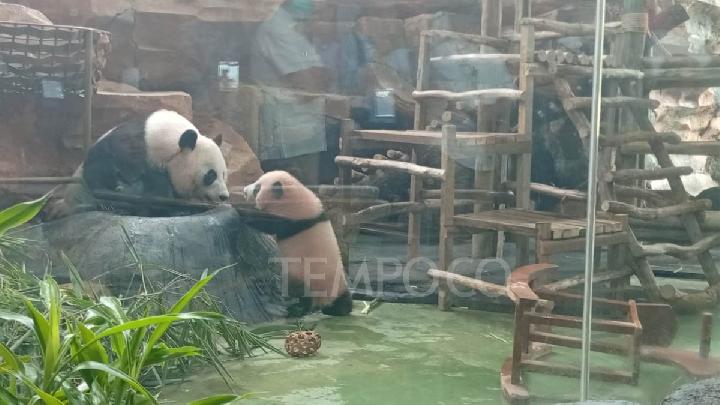
Tempatdonasi.com – Jakarta, Tempo.CO – On June 9, 2026, the first giant panda cub born in Indonesia, named Satrio Wiratama or Li Ao, made its official public debut at Taman Safari Indonesia in Cisarua, Bogor Regency. This event marked a significant milestone in the country’s wildlife conservation efforts, as the cub became the first of its kind to be raised in the region. The Panda Palace, a dedicated habitat at the wildlife park, now welcomed the young panda, signaling a breakthrough in international collaboration between Indonesia and China.
A Historic Milestone
The cub, currently 191 days old and weighing approximately 11 kilograms, is the product of a successful breeding program initiated under a bilateral agreement between the two nations. Its introduction to the public is anticipated to attract large numbers of tourists, while also symbolizing the strengthening of diplomatic ties. The presence of Li Ao at Taman Safari underscores Indonesia’s growing role in global conservation initiatives, particularly in preserving endangered species.
“The optimal time for pandas to engage with the public is typically five to six months, so Li Ao’s debut aligns with best practices for its development,” stated Jansen Manangsang, founder of Taman Safari Indonesia. “This moment proves that wildlife preservation can thrive locally, even in a country like ours.”
The Event and Public Reaction
During the ceremony, a mix of local and central government representatives, along with dignitaries from the Chinese Embassy, gathered to witness the cub’s first appearance. The event was filled with excitement as visitors observed Li Ao’s playful behavior, which evoked comparisons to the popular Chinese pandas Fu Bao and Hua Hua, known for their viral social media presence. The cub’s energetic antics and endearing appearance were a source of joy for attendees, highlighting the emotional connection people form with these animals.
To ensure the cub’s comfort, Taman Safari implemented strict visitor guidelines. Attendees were advised not to tap on the glass enclosure or use camera flashes, as these actions could startle the young panda. The park emphasized the importance of minimizing stress during the cub’s early stages, which is critical for its survival and healthy growth. Staff members monitored the situation closely, ready to address any signs of discomfort.
Behind the Scenes of the Breeding Process
Li Ao is the offspring of female Hu Chun and male Cai Tao, a breeding pair gifted by Chinese President Xi Jinping to Indonesia in 2017. This gesture was part of an international conservation agreement aimed at fostering mutual scientific and technological exchange. The cub’s birth followed a fourth round of artificial insemination, a process that required meticulous planning and expertise. Jansen highlighted that this achievement demonstrates Indonesia’s capacity to contribute meaningfully to global biodiversity efforts through innovation in reproductive biology.
“From health protocols to animal welfare standards, every step of the process was designed to meet international benchmarks,” Jansen explained. “This is a testament to the progress we’ve made in integrating advanced conservation techniques into our local practices.”
Li Ao’s arrival at Taman Safari has been celebrated as a triumph for both the park and the broader conservation community. The cub’s parents, Hu Chun and Cai Tao, have been part of the park’s panda population since their arrival, and their successful mating underscores the effectiveness of the breeding program. The cub’s health and development have been closely tracked, with veterinary teams ensuring it receives optimal care. This attention to detail reflects the park’s commitment to maintaining high standards in wildlife management.
Future Collaborations and Regional Impact
Bogor Regent Rudy Susmanto expressed enthusiasm about the event, pledging to push for deeper cooperation between Indonesia and China. He mentioned that the success of Li Ao’s debut could pave the way for expanded partnerships, particularly in the realms of animal health and environmental science. “We aim to build on this achievement by developing joint projects that benefit both nations,” Susmanto said. “This is not just a victory for conservation, but a step toward shared progress in science and technology.”
The arrival of Li Ao also serves as a reminder of the challenges and triumphs in preserving rare species. Giant pandas, once considered critically endangered, have seen population growth through international efforts. Indonesia’s ability to raise one of these animals domestically is a rare feat, requiring specialized facilities and expertise. Taman Safari’s role in this endeavor has positioned it as a key player in regional conservation, drawing attention from environmental organizations and researchers.
Global Significance and Local Pride
As the first giant panda born on Indonesian soil, Li Ao represents more than just a new addition to the park’s collection. It embodies the potential of cross-border cooperation in addressing global environmental challenges. The cub’s debut has sparked discussions about the role of zoos and wildlife sanctuaries in conservation, with many highlighting their importance as breeding grounds and educational hubs.
Indonesia’s panda population has grown steadily since the arrival of the initial pair in 2017. The success of Li Ao’s birth is a culmination of years of dedication, with Taman Safari’s staff working tirelessly to create the ideal environment for the animals. The park’s efforts have not only helped in preserving the species but also in educating the public about the importance of biodiversity. Li Ao’s presence is expected to inspire greater interest in wildlife conservation, particularly among younger generations.
Looking ahead, Taman Safari plans to continue its work in panda conservation, with future goals focused on expanding the breeding program and enhancing visitor experiences. The park’s ability to nurture and showcase Li Ao has already set a precedent for other conservation projects, proving that Indonesia can contribute significantly to global efforts. As the cub grows, it will serve as a living symbol of the nation’s commitment to protecting endangered species and fostering international collaboration.
Read: Why Rising Sea Levels Threaten Mangroves Click here to get the latest news updates from Tempo on Google News