What Is Wrong with the 2026 World Cup
he 2026 World Cup Political Neutrality Under Scrutiny What Is Wrong with the 2026 - As the 2026 World Cup approached, FIFA's leader, Gianni Infantino, was
What Is Wrong with the 2026 World Cup
Political Neutrality Under Scrutiny
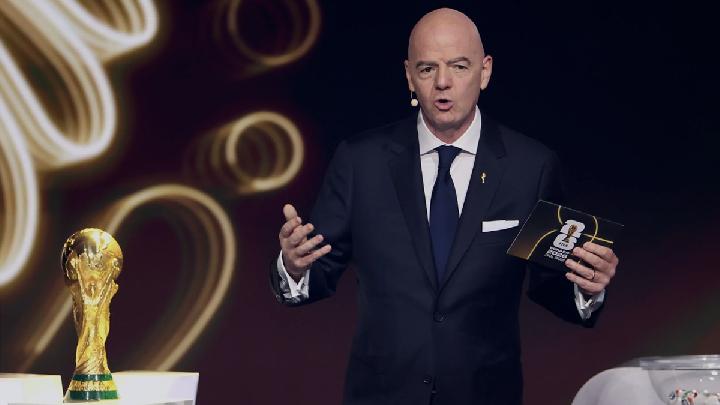
Tempatdonasi.com – As the 2026 World Cup approached, FIFA’s leader, Gianni Infantino, was frequently seen in close association with U.S. President Donald Trump. This included his presence at a stage during Trump’s Board of Peace meeting, where he wore a red USA baseball cap. Infantino also awarded Trump the newly created “FIFA Peace Prize” at the World Cup draw. While FIFA’s statutes claim to uphold political neutrality, these actions have led to accusations that the organization is aligning itself with state interests. Critics highlight that the U.S. is currently at war with Iran, a first in World Cup history where the host nation is engaged in a military conflict with a competing team.
Barriers to Fan Access
The U.S. entry rules have sparked controversy, particularly regarding restrictions on international spectators. Visa regulations have tightened, making it difficult for fans from several participating nations to attend matches. Iran and Haiti face a complete ban on spectator entry, allowing only teams and their support staff to enter. Similarly, Senegal and the Ivory Coast have seen tourist visas suspended, limiting fan attendance despite their teams’ participation. This policy has drawn criticism from fans and organizations who argue it undermines the spirit of global football.
At one point, the U.S. government had introduced a security deposit of up to $15,000 (€12,874) for visitors from some countries — a sum they were to be reimbursed after their departure. This measure was lifted for many ticket holders shortly before the tournament began.
Immigration policies and the potential for ICE officers to conduct checks near stadiums have further fueled concerns. In the run-up to the event, the U.S. government declined to rule out the possibility of security measures targeting fans in the vicinity of matches. This has created an atmosphere of uncertainty for international attendees, raising questions about the inclusivity of the tournament.
Record-Breaking Ticket Prices
One of the most glaring issues in the 2026 World Cup is the steep cost of game tickets. Initial sales saw many seats priced at thousands of dollars, with premium final tickets originally costing around $11,000. FIFA’s “dynamic pricing” model has been criticized for allowing prices to fluctuate based on demand, even for identical seats within the same sales phase. This system has led to accusations of price gouging and lack of transparency, with fan groups and consumer advocates filing a formal complaint with the European Union.
Investigations into FIFA’s ticketing practices have also been launched by the attorneys general of New Jersey and New York. Despite these concerns, very few matches had sold out by the time the opening game neared. The cheapest final ticket listed on FIFA’s website was priced at $8,625 as of May 28, while a wheelchair-accessible seat cost a minimum of $10,350. The most expensive ticket available was for a front-row seat near a corner flag, selling for $690,000.
FIFA’s resale platform has added to the issue, taking a 30% cut from each transaction. This has left many fans unable to afford tickets, despite the high demand. The combination of dynamic pricing and restricted access has raised questions about whether the tournament is truly accessible to all football enthusiasts.
Expansion of Teams and Its Implications
The World Cup will expand from 32 to 48 teams, increasing the total number of matches from 64 to 104. While this change aims to make the tournament more inclusive, some experts and fans worry it may dilute the quality of competition. The new format allows not only the top two teams from each of 12 preliminary groups to advance but also the eight best third-placed teams. This has led to debates about whether the expansion is a strategic move to strengthen FIFA’s global influence.
Analysts suggest that the expansion could be politically motivated, as smaller football associations — which hold significant voting power within FIFA — stand to benefit the most. Critics question if Infantino’s push for this change is primarily about consolidating his authority within the organization. The revised structure raises concerns about the balance between inclusivity and maintaining the tournament’s prestige.
Sustainability and Environmental Concerns
Despite FIFA’s public advocacy for sustainability and climate protection, the 2026 World Cup has drawn criticism over its environmental impact. The organization has promoted eco-friendly initiatives, such as energy-efficient stadiums and reduced carbon footprints, but these claims are being tested by the scale of the event. With 48 teams and 104 matches, the logistical demands for infrastructure, transportation, and waste management have intensified, leading to doubts about the tournament’s commitment to being climate-friendly.
Environmental watchdogs have pointed to the increased use of fossil fuels for travel and the construction of new facilities as potential challenges. While FIFA has pledged to minimize its footprint, the high cost of tickets and limited access for fans may have forced compromises in sustainability efforts. The event’s ability to meet its green goals remains a topic of debate, with some arguing that the expansion undermines its eco-conscious image.
In summary, the 2026 World Cup has become a focal point for multiple controversies. From questions about FIFA’s political neutrality to concerns over fan accessibility and ticket pricing, the tournament faces scrutiny on multiple fronts. The expansion to 48 teams and its environmental implications add further complexity to its legacy. As the event draws closer, these issues will likely shape its reputation and the experiences of those who attend. Whether the World Cup will be remembered