Iran-US Deal: What Are the Main Sticking Points?
Iran-US Deal: Key Challenges in the Negotiations Iran US Deal - On Thursday, US President Donald Trump suggested that a breakthrough in talks with Iran could
Iran-US Deal: Key Challenges in the Negotiations
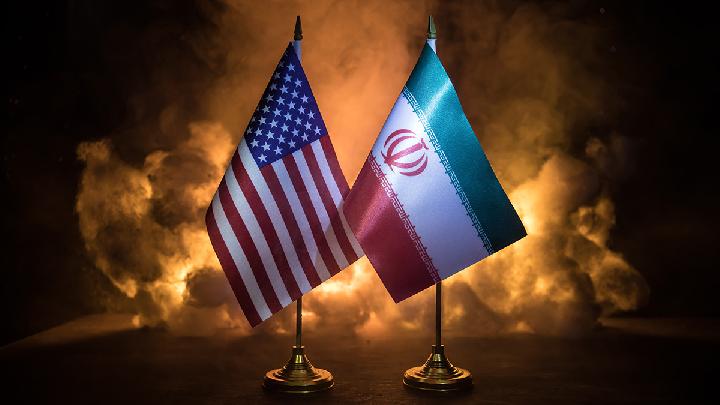
Tempatdonasi.com – On Thursday, US President Donald Trump suggested that a breakthrough in talks with Iran could be near. He mentioned a “memorandum of understanding” (MoU) as a potential framework for finalizing an agreement within the next few days. While the White House expressed optimism, Iranian officials noted that no formal draft had been finalized yet. However, they indicated that if the US agreed to Iran’s proposal, the Islamic Republic would likely reciprocate. This deal, if reached, would represent a major shift in the ongoing conflict that has claimed thousands of lives and disrupted global oil markets over the past three months.
Central Dispute: Iran’s Nuclear Ambitions
The core of the negotiations revolves around Iran’s nuclear program, particularly its enrichment of uranium to approximately 60% concentration. This level, though not weapon-grade, is considered a critical threshold for producing nuclear weapons. The United States seeks to limit Iran’s ability to advance its program, fearing the proliferation of nuclear arms in the region. Iran, however, insists that its enrichment efforts are part of its sovereign right to develop peaceful nuclear energy.
“Iran’s right to enrich uranium and the retention of enriched material… will be emphasised with a view to their inclusion in the final agreement,” stated the Iranian state-run IRNA news agency.
While the US has proposed a long-term freeze on Iran’s enrichment activities, spanning up to two decades, Tehran has pushed for a shorter pause of about five years. This difference in timeframes highlights a fundamental disagreement over how to balance Iran’s nuclear capabilities with US security concerns. The Iranian delegation has also argued that their enrichment program should be included in the agreement as a key concession, rather than a restriction.
Economic Clashes and Sanctions
Alongside the nuclear issue, economic disagreements have emerged as a significant barrier. One of the main points of contention involves the handling of Iranian assets frozen abroad. These assets, estimated to total up to $100 billion (€86 billion), have been held in countries like South Korea, China, and Japan due to US sanctions. Iran is seeking the release of between $6 billion and $12 billion as part of the deal, along with reduced restrictions on its financial transactions.
The US, on the other hand, wants a gradual release of funds, ensuring they are used for humanitarian purposes. Officials in Washington have also floated the idea of using portions of Iran’s frozen assets to compensate for damages inflicted on US allies in the Gulf region. This proposal aligns with recent tensions following Iran’s attacks on US bases in Arab nations, which were retaliatory strikes in response to US military actions.
Scott Bessent, the US Treasury Secretary, has reportedly assigned a team to assess the financial impact of the current standoff and explore ways to leverage Iran’s assets for rebuilding efforts in the region. This strategy reflects a broader debate over whether the conflict could evolve into a prolonged economic struggle or a more comprehensive aid program for Iran.
International Mediation and Compromise
As the negotiations progress, third-party involvement has been discussed as a potential solution. Russia has offered to take custody of Iran’s highly enriched uranium for secure storage or processing on its territory. This approach could address US concerns about Iran’s nuclear stockpile while allowing Iran to retain control over its enrichment activities. China, too, has signaled its openness to participating in the talks as a mediator and logistical partner, adding another layer of complexity to the discussions.
Iran views its enriched uranium as a strategic asset, one that can be used to pressure the US into favorable terms. The country has proposed downblending the material to lower enrichment levels, but only if the US lifts its sanctions. This conditional stance underscores the interplay between nuclear and economic issues in the negotiations. If the US insists on a long-term moratorium, Iran may resist, fearing a loss of leverage in the deal.
The Road Ahead and Historical Context
The potential agreement has drawn comparisons to past US foreign policy initiatives. On June 8, Trump referenced the idea of a “Marshall Plan” for Iran, suggesting the US might fund its reconstruction if the current impasse escalated into a full-scale conflict. “If people are stupid, we’ll end up in something where we have to wipe out an entire infrastructure of a nation, and I don’t think that’s a good thing,” he remarked during an interview with ABC News. “Somebody’s going to have to build all that infrastructure… You know, they’re talking about a trillion dollars, probably more.”
“yeah,” Trump added, “but we’ll get half their oil.”
This analogy raises questions about the US’s intentions and Iran’s willingness to accept foreign oversight. Iran has consistently opposed any form of external control over its oil resources, framing it as a violation of national sovereignty. The country’s resistance is partly influenced by its experience with Iraq, where a significant portion of oil revenues was managed by the Federal Reserve Bank of New York as part of a post-2003 reconstruction arrangement. While this system was intended to support rebuilding efforts, it also sparked debates about US influence over Iraq’s economy.
The dispute over Iran’s nuclear program and economic assets highlights the multifaceted nature of the talks. For the US, the primary goal is to curb Iran’s nuclear ambitions and secure humanitarian access to its frozen funds. For Iran, the focus is on maintaining its strategic autonomy and ensuring that its economic interests are protected. The inclusion of third-party nations like Russia and China further complicates the agreement, as they bring their own geopolitical priorities into play.
Despite the challenges, both sides remain committed to reaching a deal. The outcome could determine the future of US-Iran relations and the stability of global energy markets. If successful, the agreement might prevent a full-scale military conflict and pave the way for renewed economic cooperation. However, if the negotiations falter, the risk of further escalation remains a pressing concern.
Implications for Regional Security
The stakes of the deal extend beyond Iran’s borders. US allies in the Gulf region, particularly Saudi Arabia and Israel, have been affected by Iran’s aggressive actions, including attacks on oil facilities and military installations. The US has suggested using Iran’s frozen assets to offset these damages, a proposal that could shift the balance of power in the region. However, Iran argues that such measures would undermine its sovereignty and set a precedent for future economic interventions.
As the talks continue, the focus is on finding a compromise that addresses both nuclear and economic concerns. The inclusion of third-party nations offers a potential pathway to resolving these issues, but it also introduces new variables. The success of the agreement will depend on the ability of all parties to balance their strategic objectives with the need for cooperation.
In summary, the Iran-US deal represents a critical juncture in the conflict. The negotiations are shaped by historical tensions, economic interests, and the desire to prevent further military escalation. Whether the agreement will succeed or falter hinges on the willingness of both sides to make concessions and align their goals. The coming days will reveal whether this potential breakthrough can lead to lasting peace or another cycle of confrontation.