
Oil Prices Rise as Middle East Conflict Escalates
Crude oil prices moved above $100 a barrel on Wednesday for the first time since July, as traders weighed the growing threat that the escalating Middle East
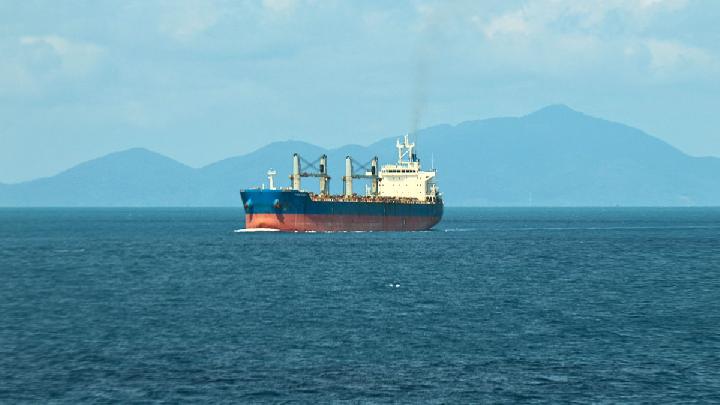
Oil Market Pushes Above $100 as Middle East Supply Risks Deepen
Tempatdonasi.com – Crude oil prices moved above $100 a barrel on Wednesday for the first time since July, as traders weighed the growing threat that the escalating Middle East conflict could further restrict supplies from one of the world’s most important energy-producing regions.
Brent crude’s return to triple-digit territory reflects rising anxiety over both immediate transport disruptions and the possibility that a prolonged crisis could remove more barrels from the market. Oil supplies have already been reduced significantly since the conflict began, increasing pressure on governments and companies that depend on stable shipping routes through the region.
“The move towards and back above $100 Brent is reflecting a market that increasingly must change its view on how long the Middle East crisis will continue to curb supply from the region,” said Ole Hansen, head of commodity strategy at the Danish Saxo Bank.
Shipping Routes Face Greater Pressure
Concerns have intensified after attacks on Saudi energy facilities by the Iranian-backed Houthis. The incidents threaten oil shipments passing through the Red Sea, a route that has become especially important as an alternative to the Strait of Hormuz.
The Strait of Hormuz remains one of the world’s most strategically significant waterways for oil exports. Any disruption around the passage can quickly influence global prices because it connects major Gulf producers with international buyers. The Red Sea route offers another path for energy cargoes, but pressure on both corridors makes the market more vulnerable to delays, rerouting and reduced availability.
Military activity has also added to the uncertainty. The United States struck Iranian oil tankers in the Gulf of Oman and the Strait of Hormuz. CENTCOM said the vessels were connected to financing activities linked to Iran’s military and regional allies.
“Iran has used the tankers as part of a multibillion-dollar shadow network that funds the IRGC and its regional proxies,” CENTCOM said in a statement.
For oil buyers, the issue is not limited to the amount of crude produced. Markets also respond to whether cargoes can be transported safely, insured at manageable costs and delivered on time. When risks rise along key sea lanes, importers may face higher freight expenses and suppliers may need to seek longer or less efficient routes.
Reserves Become More Important
As exports from the region have fallen, some countries have turned to their emergency reserves to help cushion the effect of tighter supplies. Strategic petroleum stockpiles can offer temporary relief during a disruption, but they are limited resources and cannot fully replace sustained exports if a crisis drags on.
The United States has reached its lowest level of oil reserves since 1982, with holdings of 289.7 million barrels. Former President Joe Biden and President Donald Trump have both used reserves in efforts to limit the impact of energy shocks on consumer prices during periods of crisis.
Lower reserve levels make the present situation more sensitive. Governments may still have options to respond to supply disruptions, but a smaller stockpile leaves less room for repeated or prolonged interventions. That does not mean higher oil prices will automatically translate into immediate changes at fuel pumps, though retail prices can eventually be affected by sustained increases in crude costs, refining conditions, transport expenses and local taxes.
For households and businesses, the significance of the latest price move lies in the broader risk of volatility. Oil is used across transport, manufacturing, agriculture and logistics, so a sharp and extended rise can raise operating costs well beyond the energy sector. Airlines, shipping firms, delivery networks and companies that rely heavily on fuel may be particularly exposed if supply concerns persist.
Below This Year’s Peak, but Risks Remain
Despite the move above $100, Brent remains below the high reached earlier this year. In April, the benchmark climbed to $126 a barrel. The difference offers some perspective: the market has not yet returned to its most extreme level of the year, but the renewed advance shows how quickly geopolitical developments can change expectations.
Analysts see particular danger in a market with limited spare capacity to absorb additional disruptions caused by the war. Spare capacity matters because it can allow producers to increase output when another source is interrupted. When that buffer is narrow, unexpected losses can have a larger effect on prices.
The direction of oil prices will depend heavily on whether regional exports, energy facilities and maritime routes remain operational. A reduction in tensions could ease fears surrounding shipments and help stabilize the market. Further attacks, damaged infrastructure or additional restrictions on movement through the Red Sea, Gulf of Oman or Strait of Hormuz could have the opposite effect.
For now, oil’s rise above $100 signals that traders are assigning greater weight to the possibility of a longer-lasting supply problem. The market is watching not only the conflict itself, but also the practical consequences for tankers, export terminals, reserve stocks and the ability of producers to respond if more supply is taken offline.
Related Reading
Frequently Asked Questions
What is Oil Prices Rise as Middle East?
Oil Prices Rise as Middle East is the main topic of this guide. The article explains the context, practical details, and next steps readers should understand.
Why does Oil Prices Rise as Middle East matter?
Oil Prices Rise as Middle East matters because readers are looking for a useful answer, not just a short summary. Good content should match search intent and help them decide what to do next.