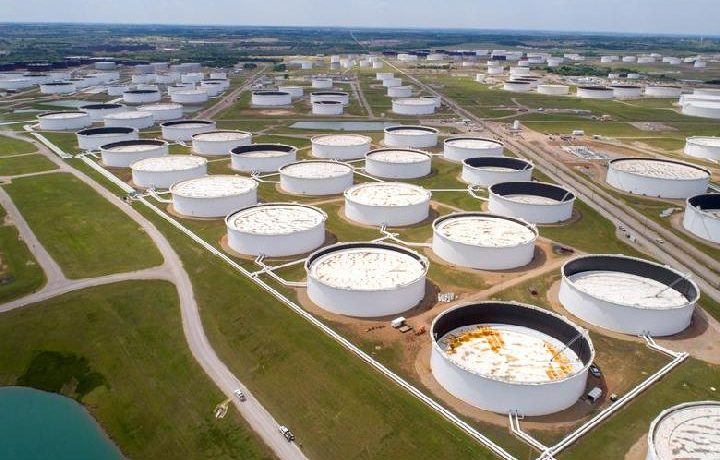
Europe to Release Diesel Reserves After Trump Request
Europe is preparing to make part of its diesel reserves available immediately after a request from US President Donald Trump, a move intended to ease pressure
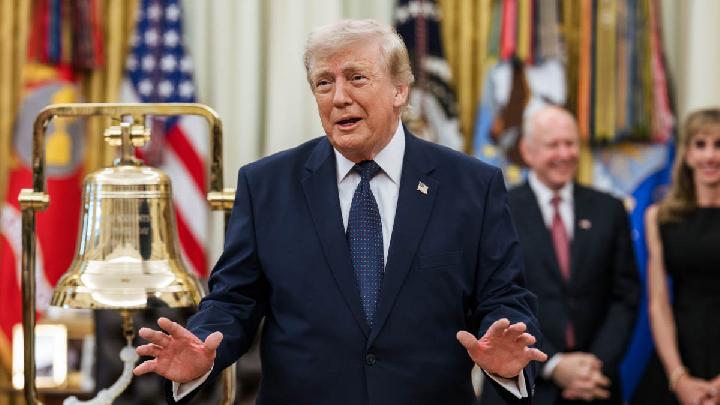
European Diesel Reserves Set for Release as Energy Prices Rise
Tempatdonasi.com – Europe is preparing to make part of its diesel reserves available immediately after a request from US President Donald Trump, a move intended to ease pressure on fuel markets during a period of elevated energy costs and disrupted supply.
Trump announced the development on Friday, saying European governments had agreed to tap heavily stocked diesel supplies. The decision comes as his administration faces increasing domestic concern over the price of oil, transport fuel, and other everyday goods amid the Iran war and the effects of US trade policies.
“Europe has just agreed to release a massive amount of their heavily stocked Diesel Oil.”
In the same message on Truth Social, Trump said the release would start without delay. Diesel is a crucial fuel for freight transport, farming, industrial machinery, construction equipment, and many public services, meaning changes in its availability can affect costs well beyond petrol stations.
G7 Plan Covers Up to 100 Million Barrels
French President Emmanuel Macron confirmed that G7 members will release as many as 100 million barrels during the next four months. Macron, who currently chairs the G7, also said participating countries would avoid measures that restrict petroleum and energy trade among partner nations.
The commitment signals an effort to keep fuel moving across borders while governments attempt to contain the impact of supply shortages. Releasing reserves does not create new production, but it can provide additional fuel to the market while producers, refiners, traders, and transport networks respond to changing conditions.
“Our citizens’ concerns about energy prices remain a top priority.”
G7 leaders made that statement jointly, adding that they would follow developments closely and modify their response if circumstances require it. The emphasis on monitoring reflects the uncertainty surrounding global energy markets, where military conflict, refinery disruptions, trade decisions, and logistical constraints can all affect prices quickly.
Macron and Trump discussed the issue in an overnight call before the announcement, the French Embassy in the United States said. Their conversation followed US pressure on France, Germany, and other European countries to release 100 million barrels of diesel within 20 days.
US Consumers Face High Diesel Costs
Fuel costs have become a major political and economic concern in the United States. The American Automobile Association listed the average price of a gallon of diesel in the country at US$6.37, equivalent to about €5.65. For drivers and businesses that depend on diesel-powered vehicles, sustained prices at that level can raise operating expenses substantially.
Diesel prices can have broader consequences because the fuel is widely used to move products from ports, warehouses, farms, and factories to stores and homes. When trucking and distribution costs increase, businesses may face pressure to absorb those expenses or pass some of them along through higher prices for goods.
Trump has maintained that the current rise in prices is justified by the objective of preventing Iran from acquiring nuclear weapons. He has argued that fuel and other costs should fall once the war ends. The latest effort to unlock reserve supplies appears aimed at providing relief before that longer-term outcome is reached.
Russian Export Ban Adds to Global Strain
The pressure on diesel availability has also been linked to Russia’s export ban. That measure followed Ukrainian attacks on Russian refineries, adding another disruption to a market already affected by the Iran war and concerns over energy security.
Refineries are essential to diesel supply because crude oil must be processed into usable fuel before it can reach consumers and commercial users. Damage, interruptions, or operational limits at major refining facilities can therefore affect diesel markets even when crude oil remains available.
Europe’s decision to draw from reserves is significant because strategic stockpiles are generally intended for situations in which supply shocks threaten normal market conditions. Their release can offer a temporary buffer, particularly when demand remains strong and regular trade flows are under strain.
The scale and timing of the G7 plan will now be closely watched by fuel buyers, transport operators, and consumers. A release of up to 100 million barrels over four months could help add flexibility to the market, although its effect will depend on how quickly supplies are distributed and whether further disruptions emerge.
For households, the immediate concern remains the cost of fuel and the potential effect on the price of transported goods. For governments, the challenge is to reduce those pressures while maintaining cooperation among energy partners and preserving reserves for future emergencies.
The G7’s pledge to avoid trade-limiting actions on petroleum and energy products suggests that officials see open supply channels as an important part of the response. With global diesel markets facing simultaneous geopolitical and refining-related pressures, the planned release is designed to provide short-term support while leaders continue to assess the next steps.
Related Reading
Frequently Asked Questions
What is Europe to Release Diesel Reserves After?
Europe to Release Diesel Reserves After is the main topic of this guide. The article explains the context, practical details, and next steps readers should understand.
Why does Europe to Release Diesel Reserves After matter?
Europe to Release Diesel Reserves After matters because readers are looking for a useful answer, not just a short summary. Good content should match search intent and help them decide what to do next.