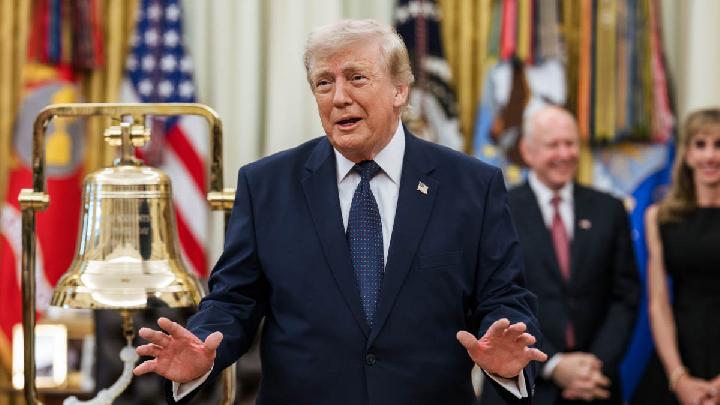
G7 to Release 100 Million Barrels From Emergency Oil Reserves
G7 governments are preparing to place 100 million barrels of emergency oil reserves onto the market over the next four months, seeking to calm sharp price
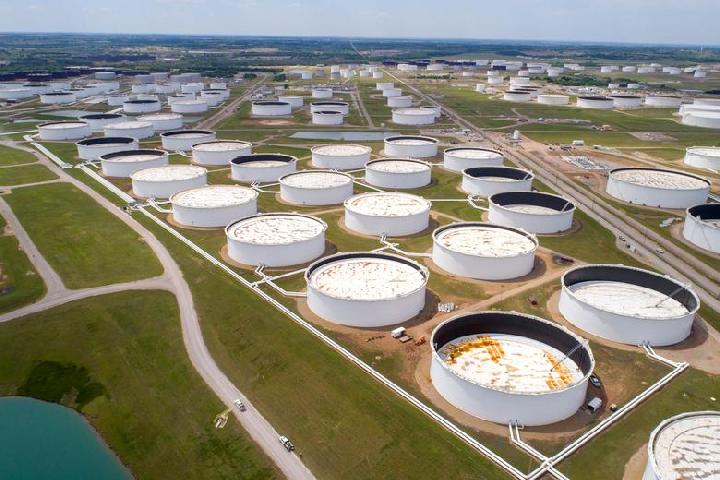
G7 Plans Coordinated Emergency Oil Release to Ease Market Pressure
Tempatdonasi.com – G7 governments are preparing to place 100 million barrels of emergency oil reserves onto the market over the next four months, seeking to calm sharp price movements and persistent disruption across global energy supplies.
The coordinated action will be organized through the International Energy Agency (IEA). It is designed to make additional oil available quickly while governments assess whether further intervention is needed. The plan gives particular early attention to diesel, a fuel with wide importance for freight transport, industry, agriculture and everyday distribution networks.
Leaders of the Group of Seven reached the agreement during a virtual meeting on Friday, October 2. Their joint statement said participating G7 countries and partners would make a significant initial diesel release within the first 20 days of the program.
Diesel Release to Begin Early
The front-loaded diesel component reflects the fuel’s role throughout the economy. Diesel powers much of the road freight system and supports activities ranging from construction and manufacturing to food deliveries. A shortage or sudden rise in diesel prices can therefore spread rapidly beyond fuel stations, adding pressure to transport costs and business operations.
The G7 will meet again under the IEA framework in the coming days to consider whether market conditions warrant additional diesel releases. The IEA has also been asked to track how the measures are being carried out, evaluate their effect on energy markets and deliver a follow-up assessment within 20 days.
Emergency reserves are maintained to provide a response when major supply shocks threaten to destabilize energy markets. Releasing stockpiled barrels does not resolve every underlying supply problem, but it can help add near-term availability while governments and producers respond to changing conditions.
Commitment Against Export Restrictions
Alongside the reserve release, the G7 emphasized the importance of keeping energy trade flowing among member states. Leaders said they would avoid restrictions on energy and energy-product exports within the group, while urging all producers not to introduce bans that could further strain the market.
“We reaffirm our commitment to refrain from export restrictions on energy and energy products between G7 countries and call on all producers to refrain from imposing bans that could exacerbate market tensions,” the statement said.
Such commitments matter because export limits can tighten supplies elsewhere even when a country has enough fuel for its domestic market. In periods of high volatility, moves to retain fuel at home can amplify competition among importers and complicate efforts to stabilize prices internationally.
The leaders also agreed to coordinate refinery maintenance schedules across G7 countries. The aim is to avoid multiple refineries being taken offline at the same time, which could reduce the supply of refined products just as the market is under pressure. Refineries will also be encouraged to raise operating rates temporarily where practical.
Focus on Strait of Hormuz
The G7 statement linked the energy response to concerns over navigation through the Strait of Hormuz, a strategically important maritime passage for international energy shipments. Leaders called for navigational rights there to be restored immediately and fully, and said they were determined to intensify their collective efforts toward that goal.
Reliable shipping routes are central to the movement of oil, gas and other commodities. Disruptions around key maritime chokepoints can affect both the physical delivery of energy and market expectations, often producing broader volatility even before supply constraints are fully felt by consumers.
At the same time, the group said sanctions on Russia would remain in place. It intends to work with the IEA and other partners to contain spillover effects involving fuel, gas and wider commodity markets.
European Union Welcomes the Measures
European Council President Antonio Costa welcomed the G7 package and said the energy situation would be discussed by EU leaders at their October 15–16 meeting. His remarks highlighted both the immediate effort to moderate market stress and the longer-term challenge of protecting households, businesses and industry from rising energy costs.
“I welcome today’s G7 coordinated measures in response to the global energy situation: a coordinated release through the IEA of 100 million barrels, beginning immediately and continuing over four months, with the release of diesel front-loaded, by G7 members and partners; a commitment to refrain from imposing export restrictions on energy and energy products between G7 countries, and a call on all producers to refrain from imposing bans that could exacerbate market tensions,” Costa said in a post on X.
Costa said European leaders would examine ways to reduce the burden of higher energy prices on citizens, companies and industrial sectors. He also said the crisis underscored the need to lessen dependence on fossil fuels and speed up the shift toward domestically produced energy sources.
The success of the G7 response will depend on the pace of the release, the availability of refined fuels, the stability of transport routes and the willingness of countries to avoid actions that fragment energy trade. The upcoming IEA review will offer an early indication of whether the reserve release is helping moderate the disruption or whether governments may need to consider further steps.
Related Reading
Frequently Asked Questions
What is G7 to Release 100 Million Barrels?
G7 to Release 100 Million Barrels is the main topic of this guide. The article explains the context, practical details, and next steps readers should understand.
Why does G7 to Release 100 Million Barrels matter?
G7 to Release 100 Million Barrels matters because readers are looking for a useful answer, not just a short summary. Good content should match search intent and help them decide what to do next.