
BGN Proposes Free Nutritious Meals for Indonesian Students in Jeddah
BGN Floats Free Nutritious Meals for Indonesian – TEMPO.CO, Jakarta — In a recent development, the National Nutrition Agency (BGN) has introduced a plan to provide free nutritious meals to Indonesian students studying in Jeddah, Saudi Arabia. This initiative, announced by former director Dadan Hindayana, is expected to address food insecurity and improve the well-being of students abroad. The proposal emerged during a visit to the Indonesian School in Jeddah, which Dadan undertook on his return to Indonesia. The idea gained traction after discussions with educators and students at the school, which he described as a pivotal moment.
The Spark of an Idea
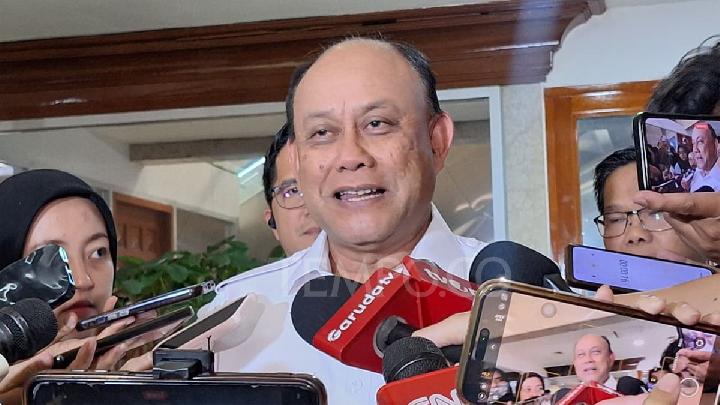
Dadan Hindayana revealed the origin of the proposal during a conversation on Tuesday, June 2, 2026. He recounted his return trip to Indonesia, where he was invited to the Indonesian Consulate General in Jeddah to tour the local school. “I was preparing to return home, and my flight departed from Jeddah,” he said. The visit included meetings with students and teachers, during which the need for a meal program was highlighted. “They expressed a strong desire to have access to state-provided nutritious meals,” Dadan added. This feedback became the foundation for his suggestion to expand the MBG (Makanan Bergizi) initiative to international campuses.
“They are aware and have shown interest in the MBG program. I informed them that I would report to the President first,” said Dadan Hindayana.
Dadan emphasized that the proposal required further approval before implementation. He noted that Prabowo Subianto, a key figure in the program’s development, must review the plan. “If there is an opportunity to meet the president, it will be conveyed,” he said. This step underscores the political process involved in securing funding and logistical support for the initiative. Despite the enthusiasm from the school community, the final decision hinges on higher-level consensus.
Scope of the Program
The proposed MBG program aims to cover a significant number of Indonesian students in Saudi Arabia. Dadan highlighted that at least 1,080 children of migrant workers are enrolled in the Indonesian School in Jeddah. Additionally, a school in Mecca houses around 400 Indonesian students, further amplifying the demand for such services. These figures paint a picture of a growing expatriate community whose children face unique challenges in accessing quality food.
Dadan also pointed out that the program’s success could set a precedent for other countries. If approved, Saudi Arabia would become the first nation to receive the free meal initiative, a milestone that could influence future expansions. However, he admitted that the specifics of how the program would operate remain to be determined. “The mechanism is still under discussion with Prabowo,” he explained. This uncertainty highlights the need for thorough planning before the program is launched.
Leadership Transition
Following the announcement, a significant shift in leadership occurred at the BGN. Dadan Hindayana was replaced as chief by Nanik S. Deyang, his former deputy. This change came after a 1.5-year evaluation process of the nutrition agency’s programs. The transition has sparked speculation about the future direction of the MBG initiative, with some questioning whether the new leadership will prioritize the proposal or redirect focus to other projects.
Dadan’s removal from the position marks the end of his tenure at the agency. While he remains a key advocate for the meal program, his absence may affect the momentum of the proposal. Nanik S. Deyang, now in charge, has yet to comment on the plan, leaving the future of the initiative uncertain. This shift raises questions about the continuity of efforts to support Indonesian students abroad, especially in light of recent budget adjustments.
Budgetary Challenges
Earlier this year, Prabowo Subianto ordered a reduction of Rp67 trillion from the MBG budget, a move that has drawn criticism from advocates of the program. Despite this, the initiative continues to gain traction, particularly in regions with a large Indonesian student population. The budget cut has prompted debates about the program’s feasibility, with some arguing that it could jeopardize the quality of meals provided to students.
However, Dadan remains optimistic. “The students and teachers were very clear about their needs, and we believe this program can make a real difference,” he stated. The challenge now lies in balancing financial constraints with the goal of delivering essential services to expatriate communities. The BGN’s ability to navigate this issue will determine the program’s viability in Saudi Arabia and its potential for international replication.
The Indonesian School in Jeddah, which serves as a hub for children of migrant workers, is expected to benefit most from the proposal. Its location in a region with limited access to affordable, healthy food options makes it a critical target for the initiative. By providing free meals, the program could help alleviate the financial burden on families while ensuring students receive adequate nutrition for their academic performance.
Meanwhile, the school in Mecca also faces similar challenges, though its smaller student body may require a more tailored approach. Dadan acknowledged that the program’s success depends on understanding the diverse needs of Indonesian students across different regions. “Each school has its own context, and the solution must adapt accordingly,” he said. This insight underscores the importance of flexibility in implementing the MBG initiative globally.
As the proposal moves forward, the BGN and its stakeholders must address logistical hurdles, such as food sourcing, distribution, and cultural considerations. Ensuring that meals are both nutritious and culturally appropriate will be vital to the program’s acceptance among students and their families. Additionally, the agency will need to coordinate with Saudi authorities to secure the necessary infrastructure and support.
Dadan’s role in the proposal has been instrumental, yet his departure leaves a void that the new leadership must fill. While the MBG initiative has faced financial setbacks, its potential to improve the lives of Indonesian students abroad remains intact. If approved, the program could serve as a model for other countries, demonstrating the government’s commitment to supporting expatriate communities. However, the outcome of the upcoming discussions with Prabowo will ultimately decide the fate of this ambitious plan.
For now, the focus remains on securing approval and outlining the program’s structure. The BGN’s efforts to provide free nutritious meals to Indonesian students in Jeddah reflect a broader goal of ensuring that children of migrant workers have the tools they need to thrive academically and physically. As the agency works to finalize the proposal, the eyes of the expatriate community are on the outcome, hoping for a positive resolution that could transform the lives of thousands of students across the region.